


Improved LPG Supply Eases Pressure on Nigerian Households as Cooking Gas Prices Decline
 ONYINYECHI NWAIGBA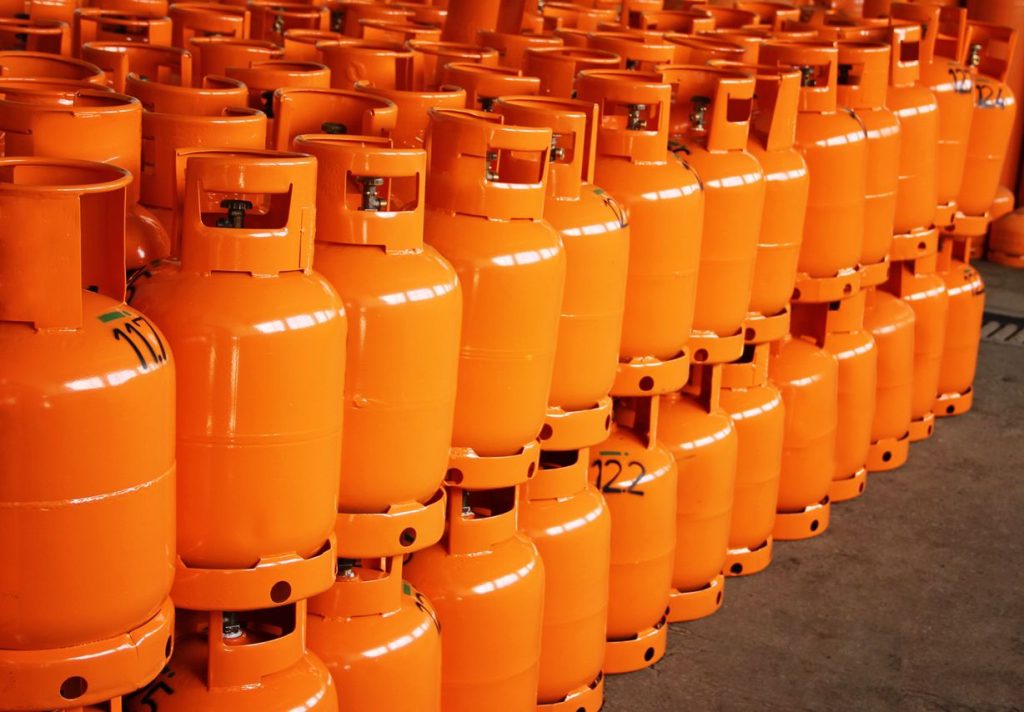
Nigerian households may be getting some much-needed relief as the price of Liquefied Petroleum Gas (LPG), commonly known as cooking gas, records a significant decline following improvements in domestic supply.
The drop in cooking gas prices comes at a time when millions of families continue to grapple with the rising cost of living, offering renewed hope for greater access to cleaner cooking energy and reduced household energy expenses.
Beyond easing financial pressure on consumers, the development highlights the importance of strengthening Nigeria’s LPG supply chain to support clean energy adoption, improve public health, and accelerate the country’s transition away from traditional cooking fuels such as firewood and charcoal.
Energy experts believe that maintaining stable LPG supplies and affordable prices could encourage more households to embrace cleaner cooking solutions while supporting broader environmental and sustainable development goals.
Improved Supply Driving Price Reduction
Industry stakeholders attribute the recent decline in cooking gas prices largely to improved product availability across the country.
In recent months, efforts to strengthen domestic LPG supply, improve distribution networks, and enhance market availability have contributed to easing supply shortages that previously pushed prices upward.
Greater product availability has helped reduce pressure within the market, allowing retailers to adjust prices in response to improved supply conditions.
The development demonstrates how investments in energy infrastructure and supply chain efficiency can directly benefit consumers through improved affordability.
Relief for Nigerian Households
Cooking gas has become an essential household commodity for millions of Nigerians seeking cleaner, safer, and more efficient cooking alternatives.
However, the sharp rise in LPG prices over the past few years forced many households to reduce consumption or return to traditional cooking fuels that are often cheaper but significantly more harmful to health and the environment.
The recent decline in prices is therefore expected to provide financial relief for families already facing increasing costs for food, transportation, healthcare, education, and other essential needs.
Lower cooking fuel costs also allow households to redirect limited income toward other priorities, improving overall household welfare.
The sharp rise in LPG prices over the past few years forced many households to reduce consumption or return to traditional cooking fuels that are often cheaper but significantly more harmful to health and the environment. Related: Cooking Fuel Prices Surge, Worsening Nigeria’s Energy Poverty Crisis.
Advancing Clean Energy Adoption
Affordable cooking gas plays a critical role in Nigeria’s clean energy transition.
LPG burns more cleanly than firewood, charcoal, and kerosene, producing fewer harmful emissions and significantly reducing indoor air pollution.
By making LPG more affordable, improved supply can encourage households that previously relied on biomass fuels to switch to cleaner cooking options.
This transition supports national efforts to expand access to modern energy while reducing environmental degradation associated with excessive firewood harvesting and charcoal production.
Increasing LPG adoption also aligns with global Sustainable Development Goals, particularly those relating to affordable and clean energy, climate action, good health, and sustainable cities and communities.
Health Benefits of Cleaner Cooking
The shift toward cleaner cooking fuels offers important public health benefits.
According to health experts, prolonged exposure to smoke from firewood and charcoal contributes to respiratory illnesses, eye problems, cardiovascular diseases, and other health complications, particularly among women and children who spend more time near cooking areas.
Cleaner fuels such as LPG produce significantly lower levels of indoor air pollution, helping reduce exposure to harmful smoke while creating healthier home environments.
Improved access to affordable cooking gas therefore represents not only an economic benefit but also a public health intervention capable of improving the quality of life for millions of households.
Environmental Impact
Reducing dependence on traditional biomass fuels also contributes to environmental sustainability.
Firewood harvesting remains a major driver of deforestation in many parts of Nigeria, placing additional pressure on already threatened forests and biodiversity.
Charcoal production similarly contributes to forest degradation while generating greenhouse gas emissions.
Expanding access to affordable LPG can help reduce reliance on these fuels, supporting forest conservation efforts while promoting cleaner energy consumption.
Although LPG is still a fossil fuel, it remains a cleaner transitional energy source compared to firewood, charcoal, and kerosene.
Supporting Nigeria’s Energy Transition
Nigeria has continued to promote LPG adoption as part of broader efforts to improve access to clean cooking energy.
Expanding LPG use supports national energy security by diversifying household energy sources while reducing dependence on less efficient and more polluting fuels.
Government policies, private sector investments, and improved distribution infrastructure have all contributed to increasing LPG availability across different parts of the country.
Sustaining these efforts will be essential to ensuring that recent price reductions translate into long-term affordability and wider adoption.
Opportunities for Businesses
Lower LPG prices could also benefit businesses that rely heavily on cooking gas for daily operations.
Restaurants, bakeries, food processing businesses, hotels, catering services, and small-scale manufacturers stand to benefit from reduced operating costs, potentially improving profitability and competitiveness.
For many micro, small, and medium-sized enterprises, lower energy costs can support business growth, increase productivity, and create opportunities for expansion.
Improved affordability may also encourage new investments in businesses that depend on clean cooking energy.
Strengthening Energy Security
The recent decline in cooking gas prices highlights the importance of developing resilient domestic energy supply chains.
Investments in LPG storage facilities, transportation infrastructure, distribution networks, and local production capacity can help reduce supply disruptions while improving market stability.
A stronger domestic LPG market also enhances Nigeria’s energy security by reducing vulnerability to external market shocks and improving access to reliable energy for households and businesses.
Continued collaboration between government agencies, energy companies, distributors, and financial institutions will remain essential to sustaining market stability.
Why It Matters
Affordable access to clean cooking energy extends beyond household convenience.
It contributes to improved public health, environmental protection, gender equality, poverty reduction, and sustainable economic development.
Women and girls, who often bear primary responsibility for cooking in many households, are among the biggest beneficiaries of cleaner cooking solutions due to reduced exposure to harmful smoke and less time spent gathering traditional fuels.
Lower cooking gas prices can therefore generate positive social, environmental, and economic outcomes simultaneously.
The development also reinforces the importance of building energy systems that are both affordable and sustainable, ensuring that more Nigerians can access cleaner energy without placing additional pressure on household incomes.
Looking Ahead
While the recent decline in cooking gas prices offers welcome relief, maintaining affordability will require continued investment in domestic LPG production, efficient distribution systems, and policies that encourage stable market supply.
Sustaining these gains could accelerate Nigeria’s transition to cleaner cooking energy, improve household welfare, strengthen environmental conservation efforts, and support broader sustainable development objectives.
As the country continues to pursue greater energy access and climate resilience, affordable LPG will remain an important component of Nigeria’s journey toward a cleaner, healthier, and more inclusive energy future.
[give_form id="20698"]


1 thought on “Improved LPG Supply Eases Pressure on Nigerian Households as Cooking Gas Prices Decline”