ROSEMARY IMOBHIO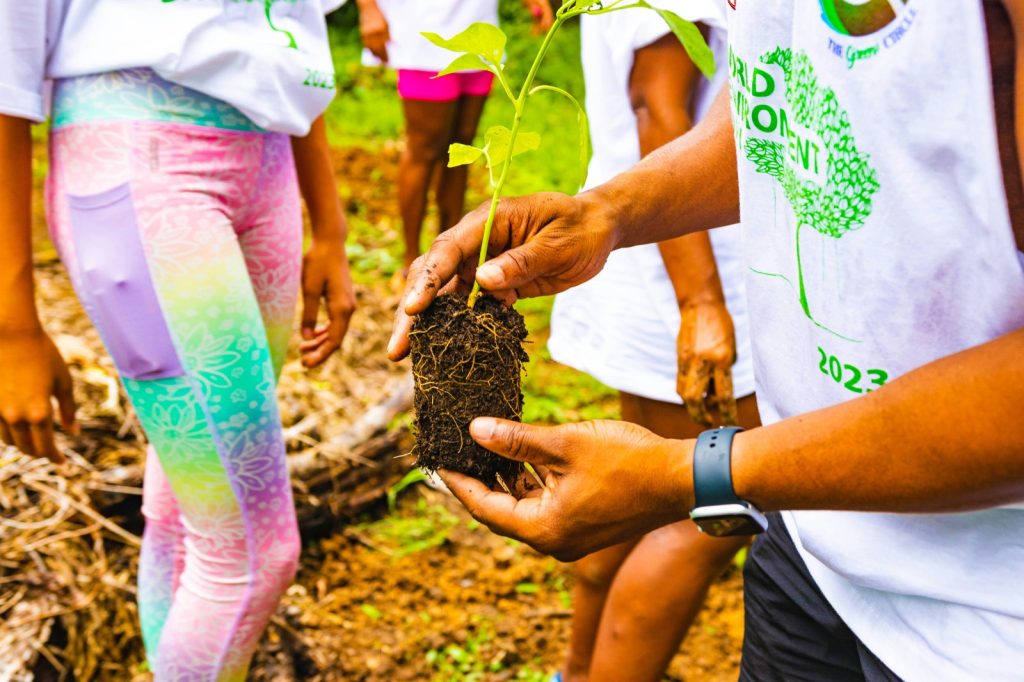
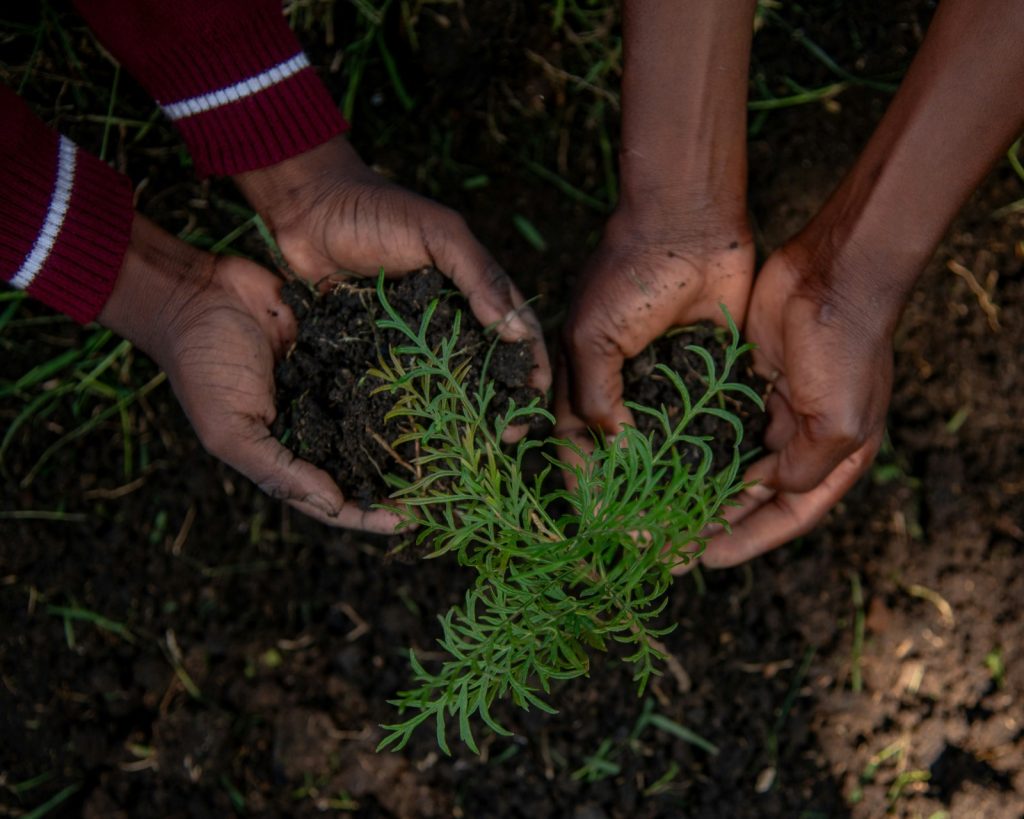
A fresh community driven reforestation campaign is bringing renewed hope to the fight against deforestation in Ivory Coast. Two environmental organisations planted 1,200 indigenous trees in one of the country’s sacred forests.
The initiative was led by the E LAFI SOU Foundation and the People Planet and Peace Foundation (based in Nigeria). It took place in the sacred forest of Sessekro in the Djebonoua community of the Bouaké Department, Gbêkê Region. Beyond increasing tree cover, the project seeks to restore biodiversity, strengthen climate resilience and preserve cultural heritage. It also seeks to improve livelihoods for surrounding communities.
The exercise also forms part of a broader Climate Beyond Borders Caravan that aims to promote environmental cooperation across Africa. Organisers say the campaign demonstrates that restoring forests requires partnerships that extend beyond national boundaries. Moreover, the tree planting aligns with Ivory Coast’s wider efforts to recover from decades of forest degradation while supporting the country’s sustainable development ambitions.
Indigenous Species Chosen for Long-Term Impact
According to President of the E LAFI SOU Foundation, Koffi Matieu, the project focuses on indigenous tree species. This is because they are naturally adapted to local ecosystems. They also offer greater ecological benefits than many introduced species.
Among the species planted are Kpalai, Kanangbi, Fla, Fla-ble, Ngnin and Kohdou.
Kpalai, in particular, is recognised for its durable timber, medicinal value and important contribution to forest restoration. The combination of species is expected to improve soil quality, provide habitat for wildlife and strengthen ecosystem resilience over time.
Matieu explained that the initiative goes beyond planting trees. It also includes public awareness campaigns designed to discourage indiscriminate tree felling while encouraging local communities to protect forest resources for future generations.
He noted that healthy forests support cleaner water, healthier soils and stronger agricultural productivity. Consequently, protecting them delivers both environmental and economic benefits.
Sacred Forests Hold Environmental and Cultural Value
Unlike conventional forests, sacred forests occupy a unique place within many West African communities. They often serve as protected cultural landscapes that preserve biodiversity because traditional beliefs have historically limited exploitation of these areas.
However, increasing population pressure, agricultural expansion, illegal logging and climate change have placed many sacred forests under growing threat. The restoration work in Sessekro therefore carries both ecological and cultural significance. Besides increasing forest cover, the project also aims to safeguard local traditions connected to these protected landscapes.
The organisers confirmed that activities between July 4 and July 7, 2026, extended beyond Sessekro to include the sacred forests of Badaou and Gomo within the Diébonoua sub-prefecture. These locations are central to a wider conservation programme focused on preserving forest resources while promoting the cultural heritage associated with sacred forests.
Communities Remain Central to Success
The long-term success of the initiative depends heavily on community participation. Organisers stressed that local residents are not merely beneficiaries but active partners responsible for protecting the newly planted trees. They believe community ownership will improve survival rates while encouraging sustainable forest management practices.
According to project leaders, healthier forests can positively influence local rainfall patterns, reduce soil erosion and support agricultural productivity over time. These environmental improvements could strengthen food security for farming communities while reducing vulnerability to climate related shocks.
Furthermore, organisers intend to continue educating residents on sustainable land management practices that balance environmental protection with economic needs.
Local Authorities Welcome the Initiative
The Sub-Prefect of Djebonoua, Mrs Karamoko Sania, praised both foundations for launching what she described as a timely intervention.
She observed that climate change continues to affect local communities through rising temperatures and changing rainfall patterns. Consequently, efforts that restore forest cover can help reduce environmental risks while protecting livelihoods.
She also encouraged residents to stop cutting forest trees for firewood and instead support conservation efforts that benefit future generations. Her remarks reflect a growing recognition among local authorities that environmental sustainability requires both government leadership and community action.
Supporting National Development Goals
The organisers said the project aligns with Ivory Coast’s 2026 to 2030 National Development Plan. It also supports several United Nations Sustainable Development Goals, particularly SDG 13 on Climate Action and SDG 15 on Life on Land. Both goals encourage countries to reduce climate risks, restore degraded ecosystems and halt biodiversity loss.
These priorities have become increasingly important for Ivory Coast. It’s forest cover has declined dramatically over the past several decades because of agricultural expansion, logging and other human activities. The restoration of sacred forests therefore complements national efforts to rebuild natural ecosystems while improving climate resilience.
Institutional Support Could Expand the Programme
While organisers described the current exercise as a successful pilot project, they also acknowledged that larger scale restoration will require stronger institutional backing. Specifically, they called for greater collaboration with the Ivorian Ministry of Water and Forests to extend similar projects to other regions experiencing severe forest degradation.
Such support, they said, would enable the programme to move beyond individual communities and contribute more significantly to the country’s environmental objectives.
Recent developments suggest growing momentum behind forest restoration in Ivory Coast. The government has continued launching new reforestation campaigns. It is also encouraging partnerships with private organisations to increase national forest cover by 2030.
These complementary initiatives indicate that public institutions, businesses and civil society organisations increasingly recognise the importance of working together to restore degraded landscapes.
Why the Initiative Matters for CSR
For corporate sustainability professionals, the Sessekro project offers a practical example of how environmental responsibility extends beyond compliance. It does not only focus on carbon reduction targets. Rather, the initiative combines biodiversity conservation, community engagement, cultural preservation and climate resilience within a single programme. This integrated approach reflects the growing evolution of environmental, social and governance strategies across Africa.
It also demonstrates that partnerships between local organisations and international networks can produce measurable environmental outcomes while empowering communities to become long-term stewards of natural resources.
As African countries continue responding to climate change, initiatives such as these may provide a useful model for future cross-border environmental collaboration. 1,200 trees alone cannot reverse decades of deforestation. However, the campaign shows how sustained community action, strategic partnerships and indigenous knowledge can contribute meaningfully to restoring ecosystems and building a greener future for the continent.
[give_form id="20698"]