


CBN Retains Interest Rate at 26.5%: What It Means for CSR, ESG and Sustainable Business in Nigeria
 ONYINYECHI NWAIGBA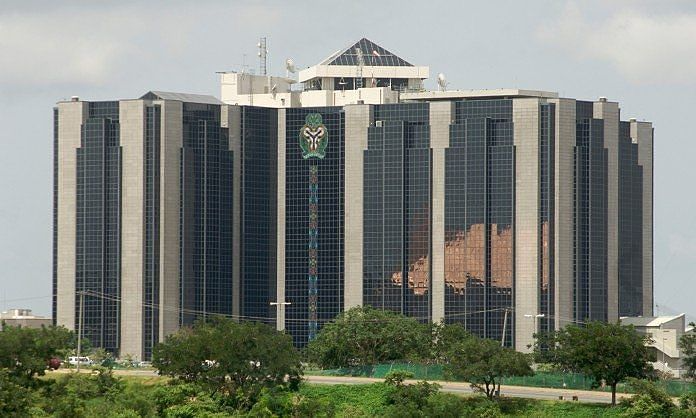
The Central Bank of Nigeria (CBN) has retained the country’s Monetary Policy Rate at 26.5 percent, maintaining its tight monetary stance as it continues efforts to curb inflation, stabilize the foreign exchange market and strengthen confidence in the Nigerian economy.
The decision, announced at the conclusion of the Monetary Policy Committee meeting, reflects the apex bank’s cautious approach to managing persistent inflationary pressures while supporting macroeconomic stability.
Although the announcement is primarily viewed through an economic and financial lens, its implications extend beyond monetary policy. For businesses, investors, development organisations and sustainability practitioners, the decision will influence how organizations plan investments, manage operational costs and pursue Corporate Social Responsibility (CSR) and Environmental, Social and Governance (ESG) commitments in the months ahead.
A Delicate Balance Between Inflation and Growth
Nigeria has continued to grapple with rising business costs, exchange rate volatility and inflation, all of which have placed pressure on households and businesses alike.
By retaining the benchmark interest rate at 26.5 percent, the CBN signalled its determination to keep inflation under control while preserving gains recorded in the foreign exchange market. The move also aims to maintain investor confidence and support broader economic stability.
While tighter monetary policy can help moderate inflation over time, it also means borrowing remains expensive for businesses seeking loans to expand operations, invest in innovation or finance long-term projects.
For many organisations, the challenge will be balancing financial sustainability with continued investment in programmes that deliver social and environmental value.
The Impact on Corporate Sustainability
Corporate sustainability initiatives increasingly require long-term financial commitments.
Whether companies are investing in renewable energy, improving energy efficiency, strengthening supply chain sustainability or implementing ESG reporting systems, many of these projects involve significant capital expenditure.
With interest rates remaining high, businesses may delay or reduce discretionary spending as they focus on preserving cash flow and managing operational costs.
However, sustainability experts argue that organisations should resist the temptation to view CSR and ESG initiatives as optional expenses.
Instead, these investments can improve operational efficiency, reduce environmental risks, strengthen stakeholder trust and position businesses for long-term resilience.
Companies that integrate sustainability into their core business strategy are often better equipped to manage economic uncertainty than those that treat CSR as a stand-alone philanthropic activity.
Implications for CSR Programmes
Corporate Social Responsibility programmes may also experience adjustments as organisations review budgets in response to higher financing costs.
Businesses facing tighter financial conditions could prioritise initiatives that deliver measurable social impact while aligning closely with strategic business objectives.
Rather than reducing community investments altogether, many organisations may focus on partnerships with governments, development agencies, civil society organisations and other private sector actors to maximise impact while sharing costs.
This collaborative approach has become increasingly important as companies seek innovative ways to address social challenges without placing excessive pressure on corporate finances.
For CSR practitioners, the emphasis is likely to shift from the size of social investments to their effectiveness, scalability and long-term sustainability.
SMEs and Social Enterprises Face Continued Pressure
Small and medium-sized enterprises (SMEs) and social enterprises are among those most affected by high interest rates.
Many rely on external financing to expand operations, create jobs and scale solutions that address social and environmental challenges.
Higher borrowing costs may limit their ability to invest in technology, employ more staff or reach underserved communities.
For social enterprises working in areas such as education, healthcare, agriculture, financial inclusion and climate action, access to affordable capital remains essential for achieving meaningful impact.
This reality highlights the growing importance of development finance institutions, impact investors, grant-making organisations and blended finance mechanisms that provide alternative sources of funding for enterprises creating measurable social value.
ESG Remains a Long Term Business Priority
Despite current economic pressures, ESG continues to gain momentum globally and within Nigeria.
Investors increasingly assess companies based not only on financial performance but also on environmental stewardship, governance standards and social responsibility.
Businesses that maintain strong ESG performance are often better positioned to attract investment, build customer loyalty and manage regulatory risks.
Although tighter monetary conditions may influence the pace of certain sustainability investments, they are unlikely to reverse the broader shift towards responsible business practices.
Instead, organisations may become more strategic in selecting projects that deliver both financial returns and measurable sustainability outcomes.
Building Resilience Through Innovation
Economic uncertainty often encourages innovation.
Businesses may respond to higher borrowing costs by adopting technologies that improve efficiency, reduce waste and lower operating expenses.
Investments in renewable energy, digital transformation, circular economy practices and resource efficiency can generate long-term savings while supporting sustainability objectives.
Similarly, stronger partnerships with NGOs, academic institutions, government agencies and development organisations can help companies deliver impactful CSR programmes without bearing the financial burden alone.
These collaborative models are increasingly recognised as effective approaches to achieving sustainable development goals.
Looking Beyond Monetary Policy
The CBN’s decision is ultimately about maintaining macroeconomic stability, but its ripple effects extend across Nigeria’s business landscape.
For corporate leaders, the current environment reinforces the importance of prudent financial management, strategic planning and sustainable investment.
Rather than viewing CSR and ESG initiatives as costs to be reduced during periods of economic pressure, organisations can leverage them as tools for building resilience, improving stakeholder relationships and driving long-term value creation.
Businesses that continue investing in responsible practices, innovation and community development are likely to emerge stronger as economic conditions improve.
The Road Ahead
As Nigeria continues its efforts to stabilise inflation and strengthen economic fundamentals, organisations will need to adapt to a business environment where financial discipline and sustainability go hand in hand.
The retention of the Monetary Policy Rate at 26.5 percent underscores the importance of balancing short-term economic realities with long-term development priorities.
For businesses committed to responsible growth, the challenge is not whether to invest in sustainability, but how to do so more efficiently, collaboratively and strategically.
In an increasingly competitive and unpredictable economy, organisations that successfully align financial resilience with social and environmental responsibility will be better positioned to create lasting value for shareholders, communities and the nation as a whole.
[give_form id="20698"]



1 thought on “CBN Retains Interest Rate at 26.5%: What It Means for CSR, ESG and Sustainable Business in Nigeria”