


 ONYINYECHI NWAIGBA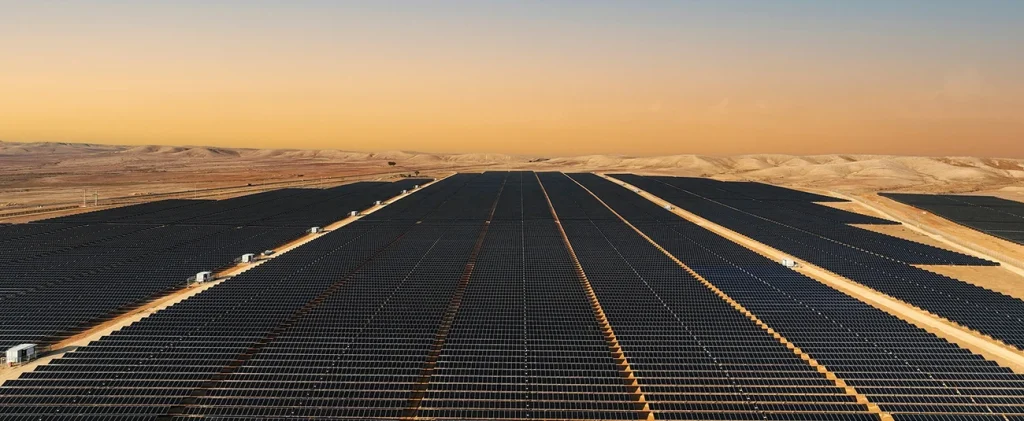
As African countries accelerate industrialization while facing growing pressure to reduce carbon emissions, a critical question is emerging: Can the continent build industries that are both globally competitive and environmentally sustainable?
Egypt’s Dandara Solar Project offers a compelling case study.
Backed by a financing package of up to $66 million from the African Development Bank (AfDB), the first phase of the Dandara Solar Project combines a 500-megawatt solar power plant with a 100-megawatt-hour battery energy storage system. While the project is located in Egypt, its significance extends far beyond one country. It presents a model for how renewable energy, climate finance, and industrial development can work together to support Africa’s transition to a low-carbon economy.
At a time when many African nations are seeking to expand manufacturing, attract investment, and strengthen energy security, the Dandara project raises an important question: Could this become the blueprint for industrial decarbonisation across the continent?
A Different Approach to Industrial Growth
For decades, Africa’s industrial development has depended largely on fossil fuels. While this has supported economic growth in many countries, it has also exposed industries to volatile fuel prices, energy shortages, and increasing pressure from global markets to reduce carbon emissions.
The Dandara Solar Project represents a different approach.
Rather than treating renewable energy as an alternative source of electricity for households alone, the project integrates clean energy directly into industrial production. The Aluminium Company of Egypt (EgyptAlum), one of Africa’s largest aluminium producers, will purchase electricity generated by the solar plant through a 25-year Power Purchase Agreement, allowing it to power its operations with renewable energy while reducing dependence on conventional energy sources.
The inclusion of a battery energy storage system also addresses one of the biggest challenges associated with solar power—intermittency. By storing electricity generated during the day and supplying power during periods of peak demand or reduced sunlight, the battery will help ensure a stable and reliable energy supply for industrial operations.
This integrated approach demonstrates how renewable energy can support large-scale manufacturing without compromising operational efficiency.
Why Industrial Decarbonisation Matters
Heavy industries such as aluminium, cement, steel, mining, and manufacturing account for a significant share of global greenhouse gas emissions.
As international markets adopt stricter environmental standards, companies with high carbon emissions increasingly face financial and regulatory risks.
One of the most significant developments is the European Union’s Carbon Border Adjustment Mechanism (CBAM), which imposes carbon-related costs on imports of emissions-intensive products entering the European market.
For African exporters, this represents both a challenge and an opportunity.
Companies that invest in cleaner production processes are more likely to remain competitive in international markets, while those that delay the transition may face higher export costs and reduced market access.
According to the African Development Bank, the Dandara Solar Project will help EgyptAlum reduce its carbon footprint while protecting its competitiveness in European markets under the new carbon regulations.
Beyond supporting one company, the project demonstrates how renewable energy investments can strengthen Africa’s industrial competitiveness in an increasingly climate-conscious global economy.
Climate Finance Driving the Transition
One of the most notable aspects of the Dandara project is its financing structure.
The African Development Bank is providing up to $46 million from its ordinary resources, alongside $20 million in concessional financing from the Climate Investment Funds’ Clean Technology Fund. Additional funding will be mobilised from a consortium of development finance institutions, bringing the total project cost to more than $290 million.
This collaborative financing model highlights the growing role of climate finance in supporting sustainable infrastructure across Africa.
Large-scale renewable energy projects often require substantial upfront investment, making access to affordable financing essential. By combining development finance, concessional funding, and private investment, projects like Dandara demonstrate how financial institutions can reduce investment risks while accelerating clean energy deployment.
For many African countries seeking to expand renewable energy capacity, similar financing arrangements could unlock projects that might otherwise remain unimplemented.
More Than Clean Energy
The impact of the Dandara Solar Project extends beyond reducing emissions.
Once operational, the facility is expected to generate approximately 1,373 gigawatt-hours of clean electricity annually while reducing carbon dioxide emissions by around 500,000 tonnes each year.
The project is also expected to create approximately 2,500 jobs during construction and permanent employment opportunities once operations begin.
These outcomes illustrate an important reality about the green transition: climate action is increasingly becoming an economic opportunity rather than simply an environmental obligation.
Renewable energy projects stimulate local supply chains, attract investment, create employment, strengthen technical skills, and improve long-term energy security.
For countries experiencing rising electricity demand alongside persistent power shortages, renewable energy investments can support both industrial productivity and economic resilience.
Can Other African Countries Replicate the Model?
The conditions that make the Dandara project possible are not unique to Egypt.
Across Africa, countries such as Nigeria, Morocco, South Africa, Kenya, Namibia, and Zambia possess abundant solar resources alongside growing industrial sectors that require reliable electricity.
Nigeria, for example, has significant opportunities to integrate renewable energy into manufacturing, mining, agro-processing, and heavy industry. As businesses continue to face rising energy costs and unreliable power supply, renewable energy could provide greater cost certainty while reducing environmental impacts.
Similarly, mining operations across Southern Africa and manufacturing hubs in East Africa could benefit from renewable energy partnerships supported by long-term power purchase agreements.
However, replication will require more than favourable weather conditions.
Governments must establish clear regulatory frameworks that encourage private investment, while financial institutions need to expand access to climate finance. Infrastructure planning, supportive energy policies, and collaboration between governments, development finance institutions, and the private sector will also be essential.
Without these enabling conditions, scaling similar projects across the continent may prove difficult.
A Blueprint for Africa’s Green Industrial Future
Africa’s industrial future will increasingly depend on its ability to balance economic growth with environmental sustainability.
Projects like Dandara demonstrate that industrial expansion and climate action do not have to compete. Instead, they can reinforce one another through strategic investment, innovation, and long-term planning.
By combining renewable energy, battery storage, climate finance, and industrial demand within a single project, Egypt is showcasing a model that could reshape how manufacturing is powered across Africa.
While each country will face unique economic, regulatory, and energy challenges, the principles behind the Dandara project partnership, innovation, and sustainable investment offer valuable lessons for governments, industries, and investors alike.
As global markets continue to prioritize low carbon production, African countries that invest early in clean industrial infrastructure may be better positioned to attract investment, strengthen exports, create green jobs, and build resilient economies.
The Dandara Solar Project is more than a renewable energy investment. It is a glimpse into what the future of sustainable industrial development in Africa could look like and a reminder that the continent’s green transition is not only about generating cleaner electricity, but also about reimagining how African industries compete and grow in a changing world.
Related: AfDB Approves $11.3 Million Renewable Energy Facility to Power Mini-Grids in Fragile African States
[give_form id="20698"]



1 thought on “Can Africa Replicate Egypt’s Industrial Solar Model?”