GLORYANN OSANG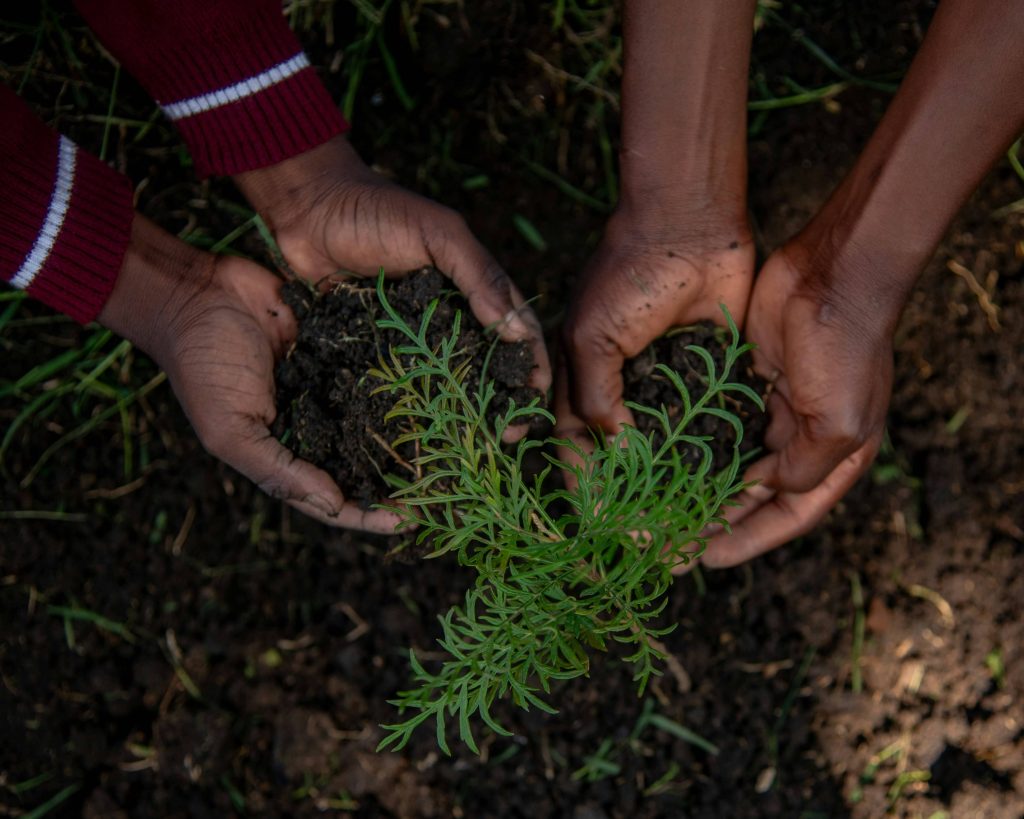
The Steron Community Development Foundation has expanded its community intervention in Abuja through a 100-tree planting exercise and a planned clean-cooking programme for women.
The initiative took place on August 18 in Wasa and Takushara communities within the Federal Capital Territory. It combines environmental restoration with skills development, livelihood support and community resilience.
According to the Foundation, 80 of the trees planted were mango and orange trees. The remaining 20 were mast trees selected to support soil stability and environmental protection.
The approach is notable because it links environmental action with the economic realities of residents. Instead of focusing only on planting, the intervention also considers how communities can benefit as the trees mature.
Trees Designed for Long-Term Impact
The choice of mango and orange trees gives the project an economic dimension. As the trees mature, they could provide food for households and create opportunities for additional income. At the same time, they can contribute to greener community spaces and support environmental restoration.
The mast trees, meanwhile, are expected to strengthen soil stability. Therefore, the planting exercise addresses both environmental and livelihood concerns. This approach also aligns with Nigeria’s wider environmental priorities. The country continues to promote afforestation, reforestation and community participation in environmental management.
However, planting trees is only the beginning. Their long-term value will depend on proper care, protection and community ownership. Residents will need to protect the seedlings from damage and ensure they receive adequate care. Furthermore, monitoring tree survival could help determine whether the intervention delivers its intended environmental benefits.
Clean Cooking Creates New Opportunities
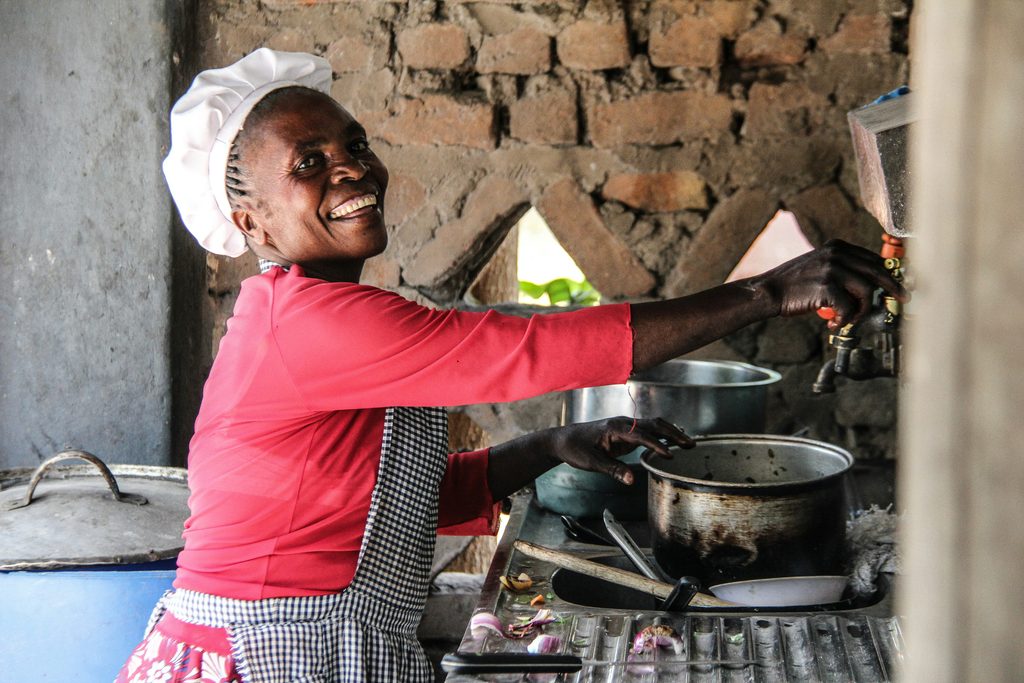
The second phase of the initiative is expected to focus on women in the beneficiary communities. Under the planned programme, women will receive training in briquette production as an alternative cooking-fuel option. Consequently, the training could provide practical skills for income generation while encouraging cleaner household energy choices.
This is particularly relevant in Nigeria, where access to clean cooking remains a major challenge. According to the World Bank, clean cooking remains an important development issue across countries where households continue to rely on polluting fuels and technologies.
Furthermore, Nigeria’s National Energy Policy recognises the environmental pressures associated with traditional cooking fuels. These include pressure on forests and the effects of inefficient cooking methods.
Women are especially important to this conversation because they often manage household cooking. They can also experience greater exposure to household smoke and the time burden associated with collecting fuel. Therefore, giving women skills to produce alternative fuels could address several challenges at once.
Connecting Environment With Livelihoods
Recent programmes have demonstrated the potential of combining clean cooking with livelihood development. In February 2026, the United Nations reported on a training programme in Maiduguri that equipped vulnerable women with briquette-production skills. The programme covered material sourcing, processing, drying, quality testing, packaging and basic business practices.
That experience provides useful context for the planned Steron initiative. When clean-cooking programmes include business skills, beneficiaries can become active participants in the solution. They can potentially produce alternative fuels while developing income-generating activities.
Similarly, development organisations increasingly connect clean cooking with health, jobs, gender inclusion and environmental protection. As a result, the planned briquette training could become an important complement to the Foundation’s tree-planting effort. More importantly, it could help move the programme beyond a one-time environmental campaign.
Measuring Impact Beyond Planting
For community interventions, however, the real test begins after launch. The trees will need consistent care if their environmental and economic benefits are to materialise. Likewise, women who receive briquette-production training may need equipment, markets, finance and continued technical support.
The Foundation describes itself as the community arm of Steron Mining. Its stated focus includes health, youth opportunities and economic empowerment for host communities. That makes continuity particularly important.
A one-day planting exercise can create visibility. However, sustained participation can create lasting impact. For example, residents could help monitor the trees, replace damaged seedlings and track survival rates. In addition, the clean-cooking programme could measure the number of women trained, businesses created and households reached.
Such indicators would provide clearer evidence of the project’s results. They would also help stakeholders understand whether the intervention is creating lasting value for the communities involved.
Planting More Than Trees
The Steron Foundation’s initiative brings two important community priorities into one intervention. On one side, the 100 trees represent an investment in environmental restoration. On the other, the planned briquette programme offers women a potential pathway to skills, enterprise and income.
Together, these efforts demonstrate how community investment can move beyond short-term assistance. More importantly, the approach recognises that environmental and economic resilience are closely connected. Communities are more likely to protect natural resources when those resources also support livelihoods and wellbeing.
Therefore, the success of the initiative should not be measured only by the number of trees planted on August 18. Instead, its lasting value will depend on how many trees survive, how many women gain useful skills and whether cleaner cooking becomes more accessible.
For Wasa and Takushara, the project has planted more than trees. It has also created the possibility of greener spaces, stronger livelihoods and greater community resilience. With sustained support and clear measurement, those possibilities could grow into meaningful long-term impact.
[give_form id="20698"]