ROSEMARY IMOBHIO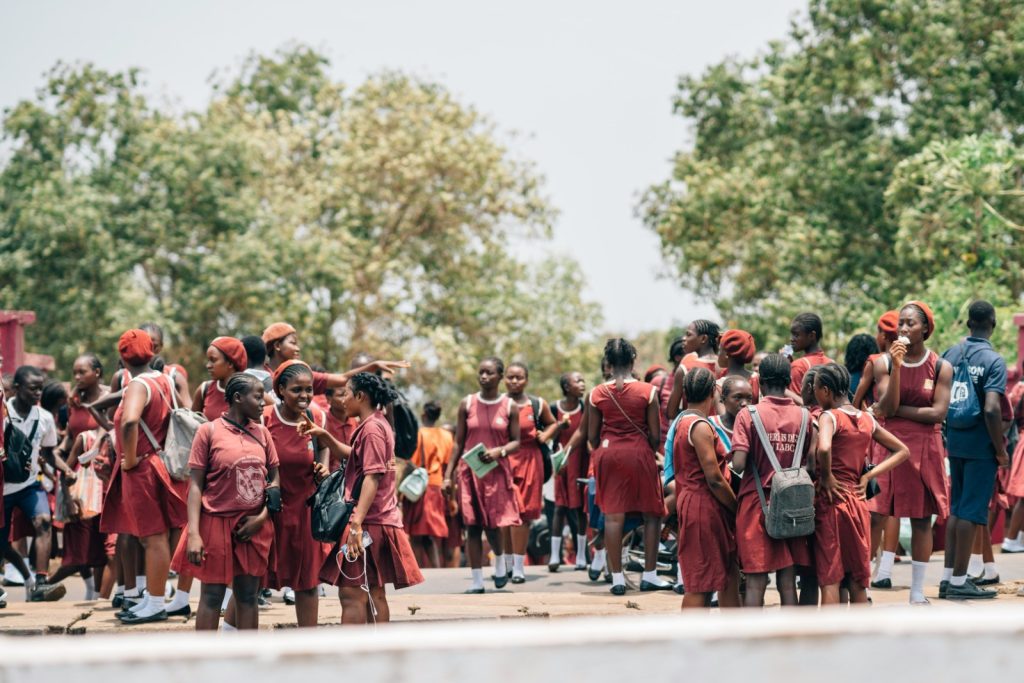
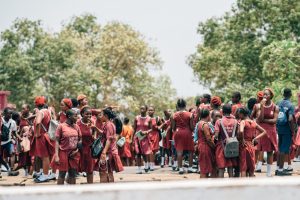
As Nigerian schools reopen for the 2026/2027 academic session today, September 14, many parents are returning to a familiar routine with an unfamiliar financial burden. Reports indicate that several private schools have increased fees by between 30 and 40 per cent. Families are also paying more for books, uniforms, transportation and other school requirements.
For parents already dealing with rising living costs, the new academic year has arrived with another difficult adjustment. One private secondary school in Lagos reportedly increased tuition from ₦86,000 to ₦124,000 per term, while another raised its fees from ₦250,000 to ₦320,000.
Public school families are not completely insulated either. Parents in Lagos told CSR Reporters that those unable to secure tax clearance certificates now face levies of ₦20,100, compared with ₦10,100 previously.
The question, therefore, is no longer simply why school fees are rising. It is whether Nigerian families can continue absorbing these increases without cutting back on other essentials.
Why Are School Fees Rising?
School proprietors point to the same economic pressures affecting households and businesses across the country. The cost of electricity, fuel, maintenance, transportation, staff salaries and government levies has increased significantly. The Lagos chapter of the National Association of Proprietors of Private Schools has argued that even a 40 per cent increase may not fully reflect the cost of running some schools.
There is a reasonable argument behind this. Schools need enough revenue to pay teachers, maintain facilities and provide the services parents expect. Competition for qualified teachers has also pushed salaries higher, with some schools reportedly paying at least ₦150,000 monthly in parts of Lagos.
Some schools are also dealing with unpaid fees, creating another financial strain. However, understanding the pressure on school operators does not make the situation easier for parents. Families are facing higher food, rent, transportation, electricity and healthcare costs, while many incomes have not increased at the same pace.
That leaves both sides under pressure. Schools need more money to remain viable, while parents have less money available to meet those demands.
The Real Cost Goes Beyond Tuition
The amount on a school fee invoice is only one part of the financial burden. Parents may also have to pay for textbooks, uniforms, examinations, extracurricular activities, meals, transportation and various levies. Therefore, a 30 or 40 per cent increase in tuition can translate into a much larger increase in the actual cost of keeping a child in school.
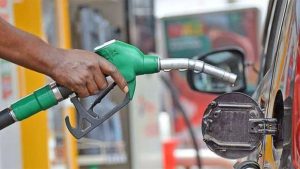
Transportation is becoming an even bigger concern following the latest petrol-price increases. Some school operators are reportedly considering reducing or ending school bus services because of the rising cost of maintaining vehicles and purchasing fuel. One Lagos school owner has reportedly stopped providing school bus services, leaving parents to make alternative arrangements.
For working parents, that can create another daily expense. Families without private vehicles may have to rely on buses, tricycles or other forms of transport to get their children to school. Consequently, the cost of education is increasingly tied to the cost of moving around the city.
Government Cannot Escape Responsibility
School proprietors have a responsibility to keep their charges reasonable and transparent. However, government must also examine the economic conditions making those charges necessary.
Schools do not operate separately from the wider economy. When energy, transportation, taxation and other business costs increase, those pressures eventually reach parents.
This creates a difficult contradiction. Nigeria repeatedly identifies education as essential to national development, yet the cost of accessing quality education continues to rise. Government cannot control what every private school charges. It can, however, strengthen public education so families have a credible alternative when private school fees become too expensive.
Better-funded and properly equipped public schools would give parents more choices. They would also encourage private schools to demonstrate clear value for the fees they charge.
When Education Becomes Hard to Afford
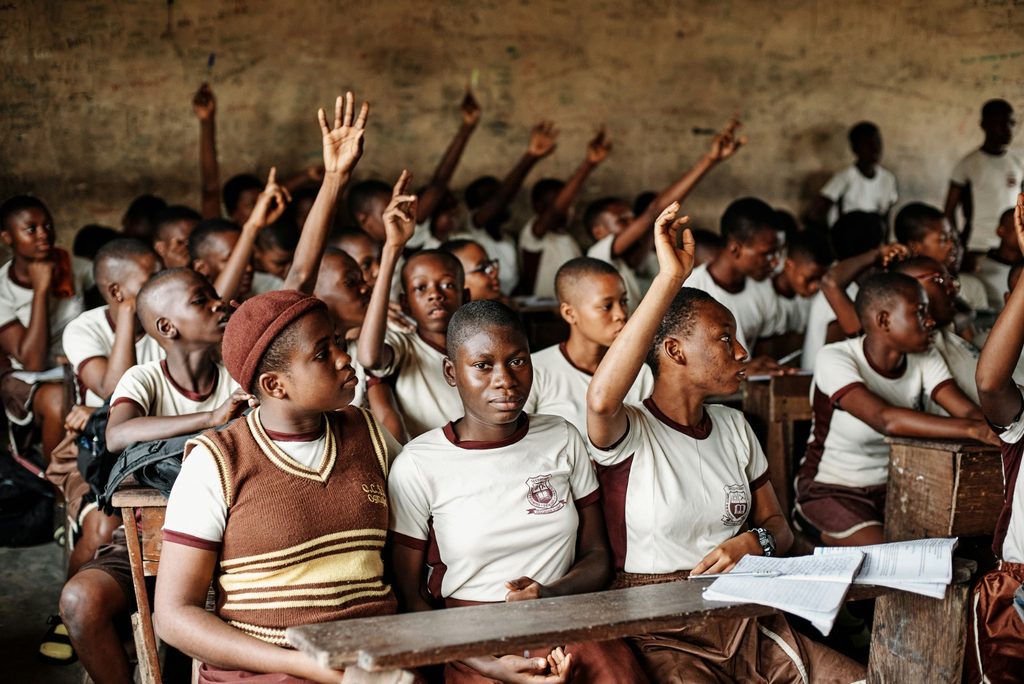
The greatest concern is not simply that parents are unhappy about higher fees. It is what happens when some families can no longer afford to keep their children in school.
The National Parent Teacher Association of Nigeria has expressed concern about the financial pressure on parents and called on school proprietors to moderate increases. Its chairman suggested that fee increases should not exceed 20 per cent.
The Nigeria Union of Teachers has also urged parents to continue prioritising their children’s education despite the economic difficulties. That message is understandable. Yet telling families to prioritise education does not remove the financial choices they face.
When parents have to choose between school fees, food, rent, healthcare and transportation, education becomes part of a much larger household survival decision. The consequences extend beyond individual families. Reduced access to education can worsen inequality, limit social mobility and weaken the skilled workforce Nigeria will need to compete in the future.
This Is a CSR Issue Too
The rising cost of education is therefore also a CSR and ESG issue. Businesses depend on educated employees and consumers. Communities depend on access to education to improve their economic prospects. Government, meanwhile, benefits from a population with the skills needed to support national development.
Private schools have a role to play as well. When fees increase, parents deserve clear explanations about the costs driving those decisions. Schools could also consider flexible payment plans and other measures that help families manage payments without compromising educational standards.
There is also room for stronger partnerships between government, businesses and civil society. Scholarships, targeted education grants, teacher-support programmes and improved public infrastructure could help reduce some of the pressures facing families. Corporate social responsibility should also look beyond donating computers or school materials and consider the barriers that prevent children from accessing and remaining in quality education.
The Cost of Doing Nothing
Nigeria cannot build a competitive economy while allowing quality education to become increasingly inaccessible. Every child who leaves school because their family can no longer afford the cost represents a potential loss of future human capital. The effects may not be immediate, but they can eventually appear through lower productivity, unemployment, inequality and reduced economic mobility.
The solution, however, cannot rest entirely on parents or school proprietors. Government must improve public education while addressing the energy, transportation and infrastructure problems that increase the cost of running schools. Schools must also examine how they can control costs, improve efficiency and provide reasonable payment options.
As students return to classrooms across Nigeria today, the reported 40 per cent increases should prompt a broader conversation about the country’s education system. Parents cannot absorb endless increases. Schools cannot operate sustainably without covering their costs. Government cannot continue relying heavily on private institutions while public education struggles with its own challenges.
Something has to change.
The 2026/2027 academic session has begun, but for many families, the first lesson is already clear: education is becoming harder to afford. If Nigeria wants a stronger workforce and a more equal society, ensuring that children can remain in school must become a shared responsibility.
Stay with CSR Reporters for more stories on the issues shaping Nigeria’s people, businesses and communities.
[give_form id="20698"]