ROSEMARY IMOBHIO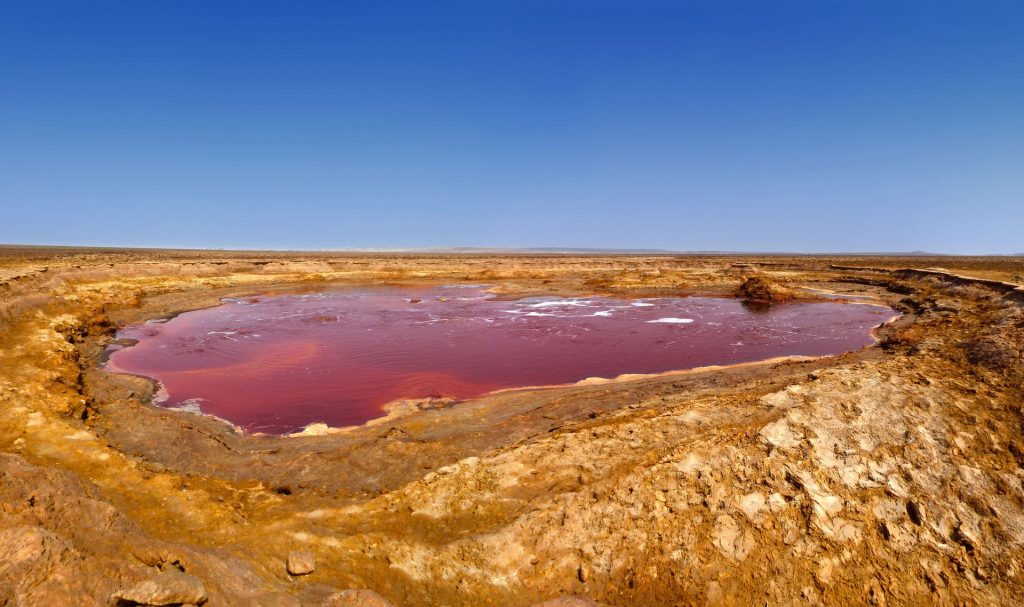
Kenya’s decision to end Tata Chemicals Magadi’s operations has opened a wider debate about responsible resource extraction. The dispute centres on what countries and communities should gain from natural resources.
President William Ruto ordered Tata Chemicals to leave Kenya earlier this month. He accused the company of failing to create enough economic value from Kenya’s soda ash resources.
Ruto also said the government had identified new investors for the Lake Magadi operation. However, the proposed investors would have different requirements. According to the president, they would establish glass and chemical manufacturing facilities in Kajiado County. The government wants more processing to happen locally instead of exporting the mineral.
Therefore, the dispute goes beyond one company’s future in Kenya. It raises an important question for businesses across Africa. How much value should resource companies create for the countries and communities where they operate?
Why Kenya Is Challenging Tata Chemicals
Tata Chemicals Magadi produces soda ash from trona extracted from Lake Magadi. The site sits about 120 kilometres southwest of Kenya’s capital, Nairobi. Soda ash, also known as sodium carbonate, is an important industrial material used in glass, detergents and chemical production.
Commercial soda ash production at Lake Magadi dates back to 1911. Tata Chemicals acquired the operation in 2005 after purchasing the Brunner Mond Group. The company now describes the Magadi operation as Africa’s largest natural soda ash manufacturer. Much of its production is exported to international markets.
That export model is now central to Kenya’s concerns. Ruto argues that Kenya should capture more value from the resource before exporting it. He has questioned why Kenya should export soda ash while importing products made from it. The government therefore wants more manufacturing capacity around Lake Magadi.
That approach could create additional jobs and strengthen local supply chains. It could also increase demand for Kenyan manufacturers, engineers, transporters and service providers.
The Bigger Value-Addition Question
At the centre of the dispute is a concept called local value addition. Simply put, value addition means doing more with a raw material before selling it. For example, Kenya could process more soda ash into finished industrial products. That approach could create more economic activity within the country.
It could also support skills development and technology transfer. Furthermore, local manufacturing could create opportunities for smaller Kenyan businesses. These could include suppliers, transport companies, maintenance firms and other service providers.
The issue has significance beyond Kenya. Across Africa, many countries export raw or semi-processed resources. However, they often import finished products made from those same resources. That creates a difficult development challenge. Resource-rich countries can generate export revenue without capturing the full economic value.
Kenya now appears determined to change that model at Lake Magadi. The government has linked the proposed investment to industrialisation and job creation.
Tata Says Magadi Has Benefited From Its Operations
However, Tata Chemicals disputes the suggestion that it has provided little value to the Magadi community. The company says its operations support healthcare, education, water, infrastructure and livelihoods. It reported that about 30,000 people benefit from its community support. It also said about 500 employees depend directly on the Magadi operation.
Contractors, suppliers, transporters and local businesses also depend on the company’s activities. These contributions form an important part of the wider debate. A company can provide community programmes while also facing questions about its broader economic contribution. That distinction matters when discussing corporate responsibility.
Community investment is valuable, but it does not necessarily answer every question about resource governance. Companies can build schools, support healthcare and provide water. At the same time, governments can demand greater local processing and industrial investment. Therefore, both issues can exist within the same conversation.
A Regulatory Dispute Came First
Ruto’s announcement followed an earlier dispute between Tata Chemicals and Kenya’s government. Kenya suspended Tata Chemicals Magadi’s mining operations on July 28. The suspension created uncertainty for employees, suppliers and communities around Magadi.
Tata Chemicals said it had submitted the information and documents requested by the Ministry of Mining. The company also said it had demonstrated compliance with applicable regulatory requirements. Tata said it remains committed to engaging with Kenyan authorities and it respects the government’s regulatory mandate.
The company’s position therefore differs from the government’s assessment. That difference should be considered when examining the current dispute. The issue is not simply about corporate social responsibility. It also involves mining regulation, compliance, investment and industrial policy.
What the Dispute Means for CSR
For CSR professionals, the Tata Chemicals case offers an important lesson. Corporate responsibility increasingly extends beyond donations and community projects. It also involves examining how a company’s core business affects its stakeholders.
For a resource company, that means looking beyond community donations. It means examining jobs, local procurement, skills development and economic participation. It also means considering environmental responsibilities and relationships with host communities.
In Magadi, the debate is therefore about more than soda ash exports. It is about whether extraction should lead to deeper economic opportunities within the host country. That question is becoming increasingly important across Africa. Governments and communities are demanding greater participation in resource-based economic development.
Companies, meanwhile, are facing increasing expectations around shared value and responsible investment.
Kenya’s Next Step Will Matter
Kenya’s proposed replacement for Tata Chemicals will therefore face significant expectations. The new investor would need to maintain production while developing local manufacturing. It would also need to protect jobs and support the surrounding community. Most importantly, the proposed industrial facilities would need to become reality.
Otherwise, Kenya could simply replace one extraction arrangement with another. That would not fully address the value-addition concerns raised by the government. The transition will also have consequences for existing workers and local businesses. Tata Chemicals says around 500 employees and their families depend on its operations.
The company also identifies contractors, suppliers and transporters among those affected. Consequently, any transition will need to consider these stakeholders.
The success of Kenya’s approach will ultimately depend on what follows the current dispute. If more local processing creates jobs and stronger supply chains, the economic impact could extend beyond mining. It could also support Kenya’s wider industrialisation ambitions.
For CSR and sustainability professionals, the lesson is equally significant. Community programmes matter, but responsible resource extraction involves much more. It requires companies to consider the economic, social and environmental effects of their core operations. It also requires governments to create clear expectations for investors.
Ultimately, the Tata Chemicals dispute asks a question that many African resource economies face: When companies extract Africa’s natural resources, how much lasting value should remain within the communities and countries where those resources originate?
The answer will shape not only the future of Lake Magadi. It could also influence how responsible investment is defined across Africa.
Stay with CSR Reporters for more stories on responsible business, sustainability and Africa’s changing resource economy.
[give_form id="20698"]