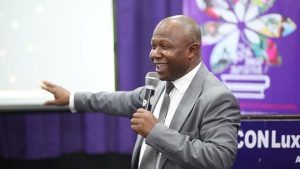
CSR Personality of the Week: Dr. Eustace N. Onuegbu and the Case for Sustainability That Can Be Audited
 csrreporters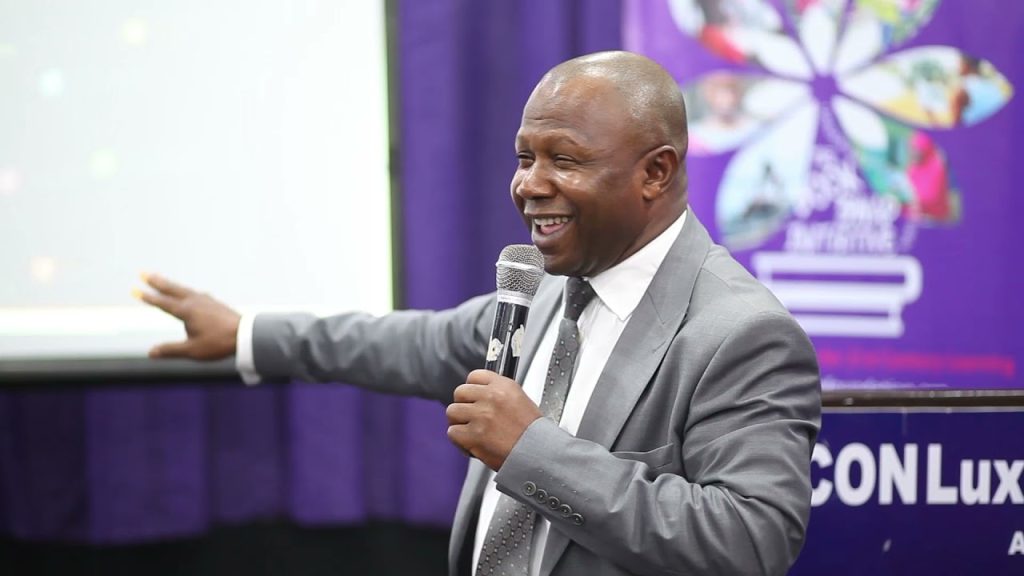
In February 2021, the United Nations invited a Lagos-based consultant to join its Working Group on Cross Border Cartels as the only civil society member from West Africa. It was not a seat he was handed because of a title. It was the product of years spent on a less glamorous question: how do you prove that a company is doing what it says it is doing?
That question has defined the career of Dr. Eustace N. Onuegbu, President and Lead Consultant of the International Network for Corporate Social Responsibility (IN-CSR), and it is why he is this week’s CSR Personality of the Week.
A Standards Man in a Field Full of Slogans
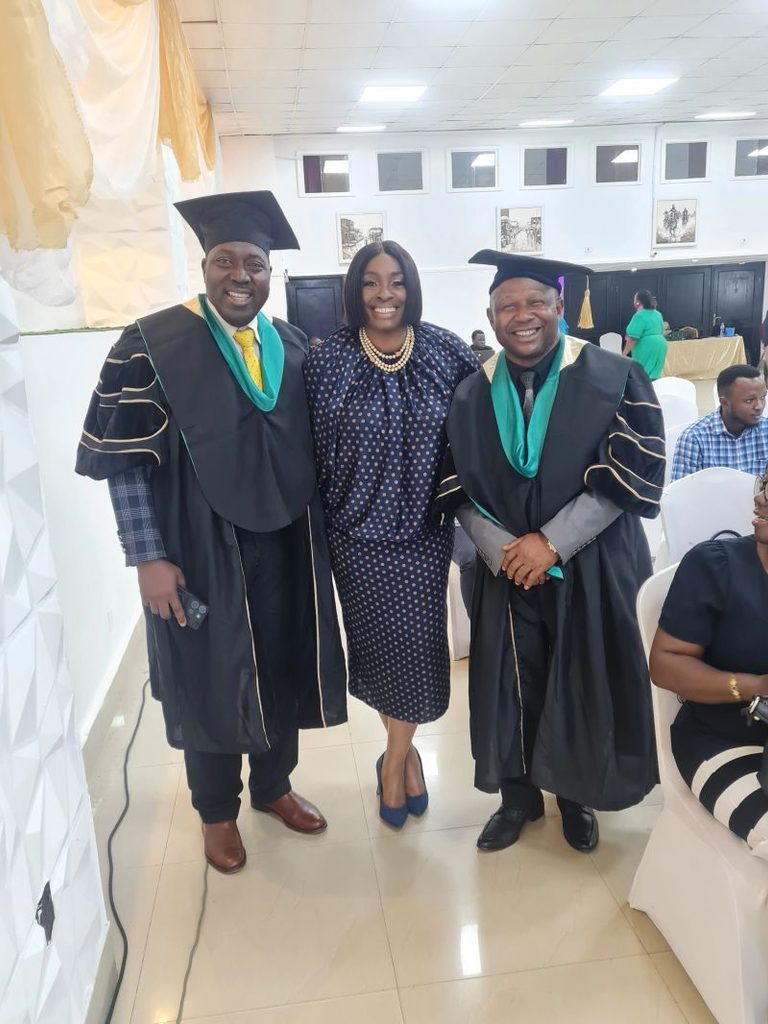
Onuegbu’s academic path reads like a map of the field he now works in. He studied Marketing at Abia State University, International Business and Management at the Amsterdam School of Business in the Netherlands, and International Human Rights Law at Birmingham City University in the United Kingdom. He also holds a Doctor of Business Administration from Prowess University in Delaware, United States, and is an alumnus of the Oxford School of Climate Change.
His professional credentials are just as specific. He is an accredited ISO Management Systems Master Auditor and a board-level management consultant. Through the Professional Evaluation and Certification Board (PECB) in Canada, he is certified across ISO 26000 on social responsibility, ISO 20400 on sustainable procurement, ISO 14001 on environmental management, ISO 45001 on occupational health and safety, and ISO 9001 on quality.
His IN-CSR profile describes him as the pioneer ISO 26000 certified practitioner in West Africa and the foremost ISO 20400 Certified Lead Manager in Africa. He is also a Distinguished Fellow of the Institute of Management Consultants.
Building IN-CSR
As President and Lead Consultant, Onuegbu leads IN-CSR, a hybrid organisation that promotes corporate sustainability and responsibility best practice across sub-Saharan Africa. The work is practical. It covers sustainable supply chains and procurement, sustainable banking and insurance, environmental and social impact assessment, stakeholder engagement, supply chain mapping, training and certification audits.
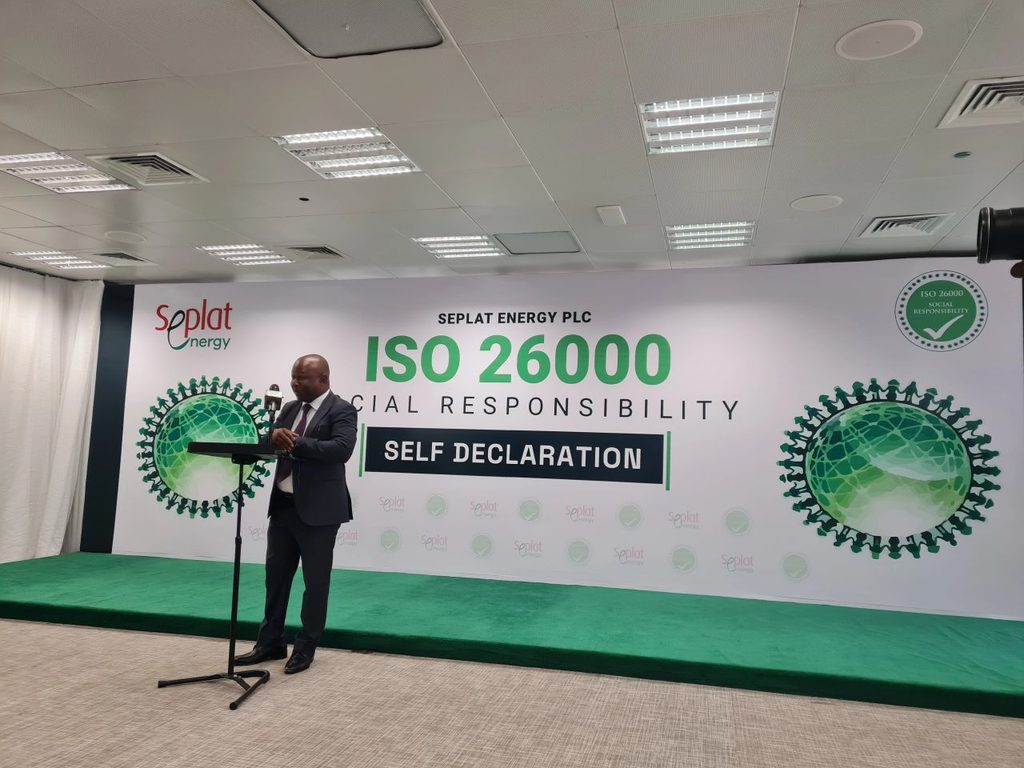
The client list shows how far that reach extends. It includes TotalEnergies, the Financial Reporting Council of Nigeria, Dangote Group, Zenith Bank, the Central Bank of Nigeria, the University of Lagos, the Oil and Gas Free Zones Authority, the National Human Rights Commission and the Government of Tanzania. In 2024, he served as lead ISO 26000 consultant when Emerging Africa Group adopted the social responsibility standard, a process involving gap analysis, training, and the redesign of internal procedures and audit routines.
Where Policy Meets Practice
Onuegbu’s influence extends well beyond boardrooms. In July 2019, the National Human Rights Commission appointed him to lead the review of Nigeria’s National Action Plan on Business and Human Rights, working with the organised private sector and justices of the National Industrial Court. He is a member of the Global Advisory Group on Business and Human Rights, and the initiator and host of the International Conferences on Business and Human Rights in Africa.
He has made representations to the United Nations, the African Union, ECOWAS and the Nigerian Senate on subjects ranging from access to quality education and renewable energy to deforestation, sustainable finance, pollution and human rights due diligence.
Writing It Down, Teaching It Forward
Onuegbu also publishes. His articles include “10 Costly Mistakes of Sustainability Implementation and Reporting in Nigeria,” “Proactive Human Rights Due Diligence as Business Investment,” and a practitioners’ guide to the many definitions of CSR and sustainability. Others examine how sustainability principles can be built into business continuity planning.
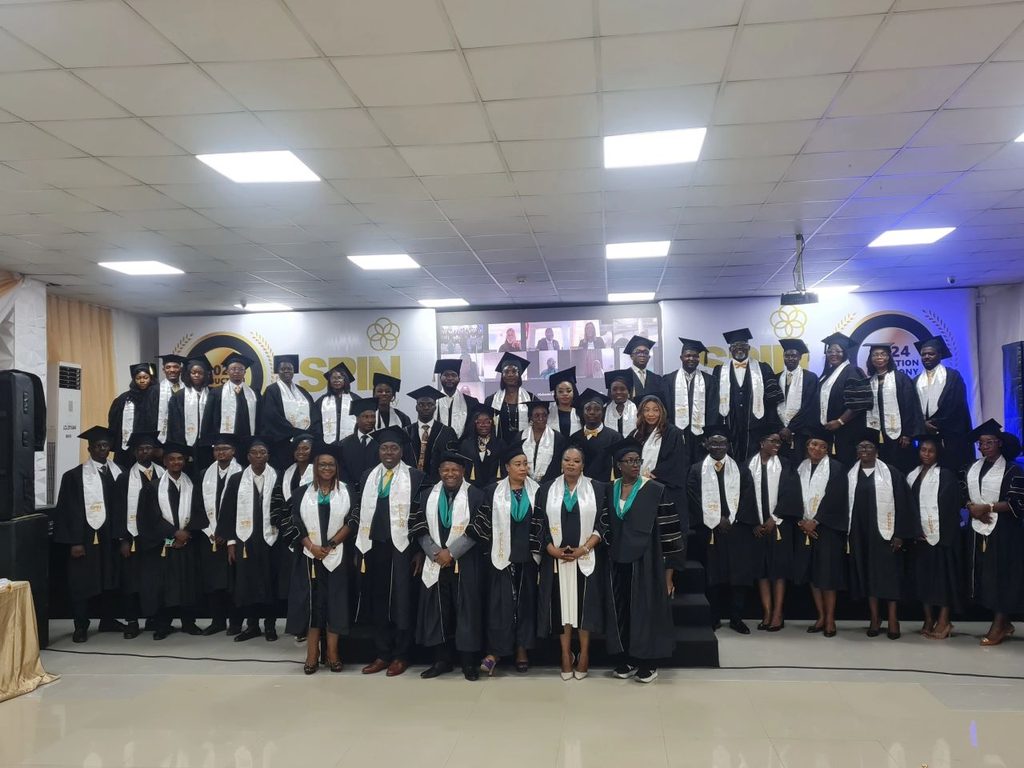
He now helps shape the profession itself as Deputy Chair of the Executive Council of the Sustainability Professionals Institute of Nigeria (SPIN). At SPIN’s inaugural Sustainability Conference in Lagos, he told a panel that ESG is best understood as a measurement platform, while sustainability itself has to be embedded across the organisation and driven from the top. He stressed materiality assessments and adapting global standards to local realities. It is a consistent message. Frameworks matter, but only when someone is accountable for them.
A Familiar Name at SISA
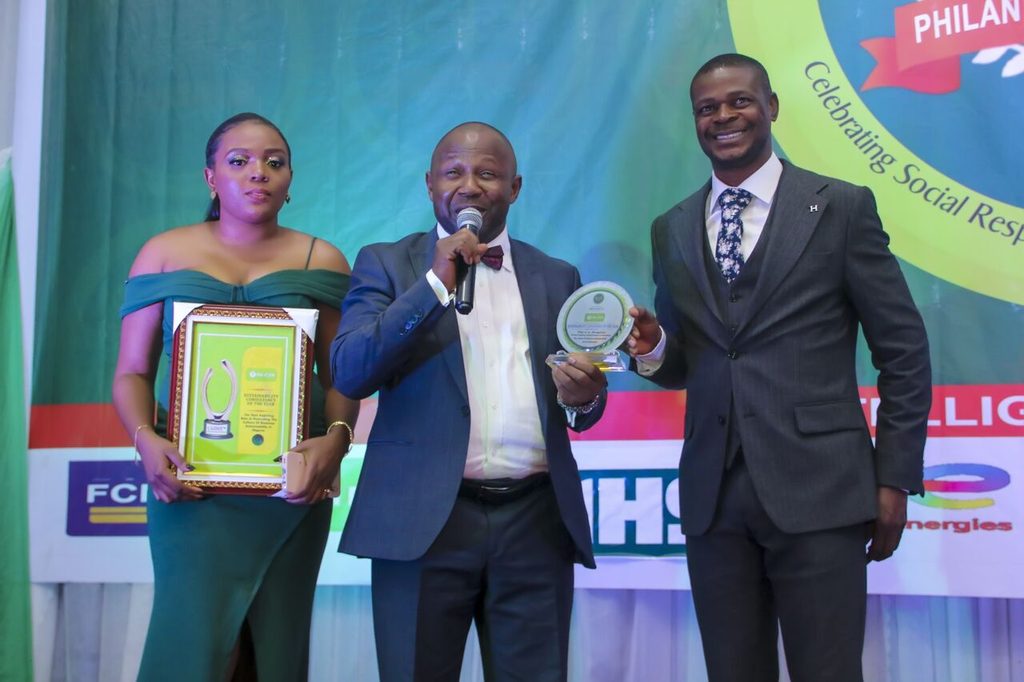
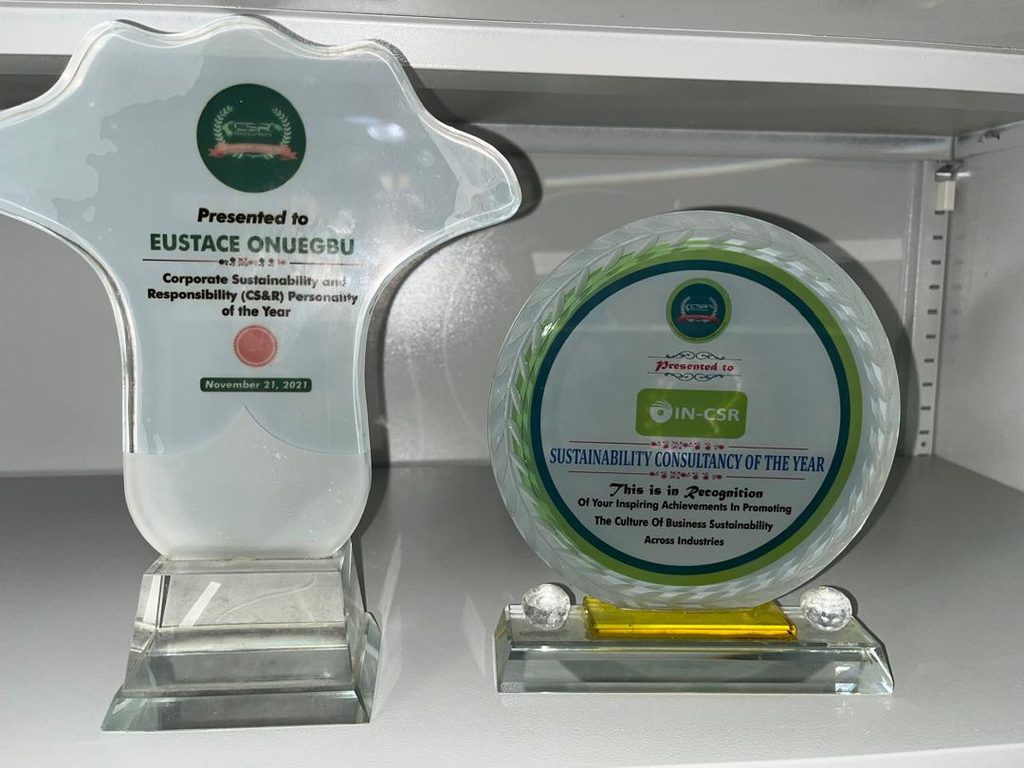
Onuegbu’s story is closely tied to CSR Reporters’ own. He was recognised at the 2021 CSR Reporters awards for his work in the sustainability space. In his keynote, he urged fellow awardees to see recognition as proof that people are watching, and as a push to move beyond compliance and charity towards accounting for their negative externalities.
He has since been honoured repeatedly at the Social Impact and Sustainability Awards (SISA) by CSR Reporters, including the Corporate Sustainability and Responsibility Personality of the Year award, among others.
Why He’s Our Personality of the Week
Nigeria’s sustainability conversation has no shortage of slogans. What it needs more of is people who can turn a slogan into a standard, a standard into an audit, and an audit into something a regulator, investor or community can trust. Onuegbu has spent his career doing exactly that, from ISO certification rooms to a national action plan on business and human rights.
His own words in 2021 still hold up: people are watching. For a practitioner whose whole field depends on evidence, that may be the best test of all.
Stay with CSR Reporters for more stories of leaders turning business into meaningful impact.
[give_form id="20698"]