GLORYANN OSANG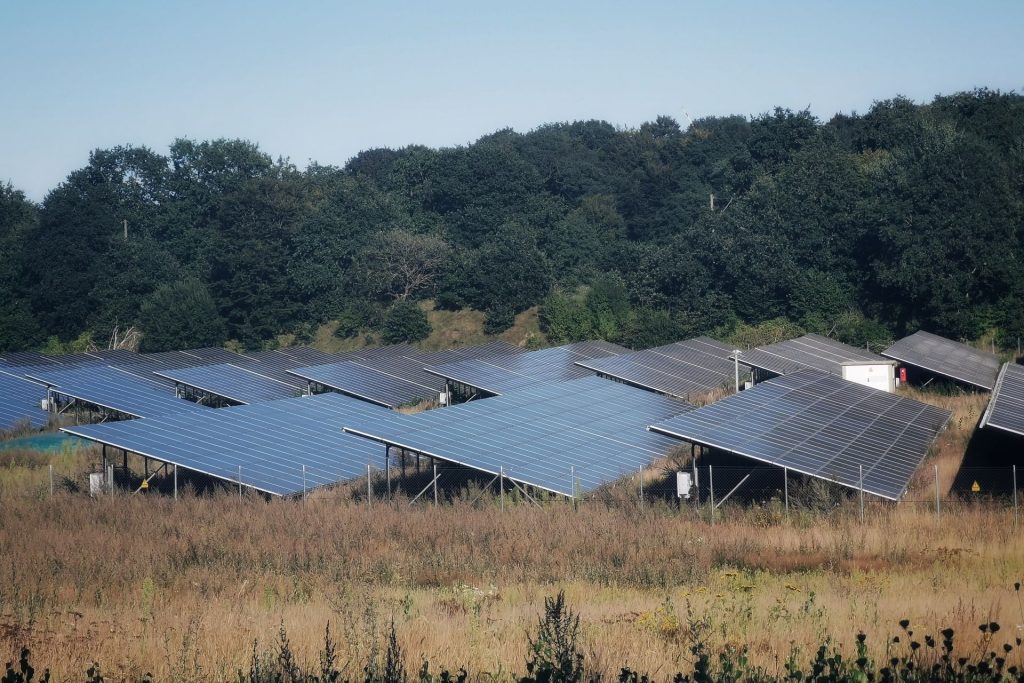
For thousands of Nigerians living beyond the reach of reliable electricity infrastructure, the difference between having power and going without it can shape everything from business hours to access to essential services.
A proposed financing partnership between the International Finance Corporation (IFC) and Nigerian renewable-energy company Sosai Renewable Energies could bring a new wave of solar-powered electricity to underserved communities across the country.
The IFC disclosed on September 24, 2026, that it is considering an investment of up to $7.2 million in Sosai to partly finance the construction and operation of 76 solar mini-grid sites.
The proposed project is expected to connect approximately 23,064 metered consumers across Plateau, Kogi and Kaduna States, expanding access to decentralised renewable electricity in communities where conventional grid infrastructure remains limited.
Bringing Electricity Closer to Underserved Communities
Sosai Renewable Energies, which has operated in Nigeria since 2010, has built its business around providing clean-energy solutions to underserved communities, particularly in northern Nigeria.
According to IFC’s environmental and social review, the company had nine operational mini-grid sites as of 2025, while its wider clean-energy activities have included the distribution of more than 150,000 improved cookstoves and solar lamps, reaching more than 1.5 million people across 200 communities. Its existing mini-grid portfolio has deployed about 402kW of solar capacity.
The proposed expansion would take that work to a substantially larger scale.
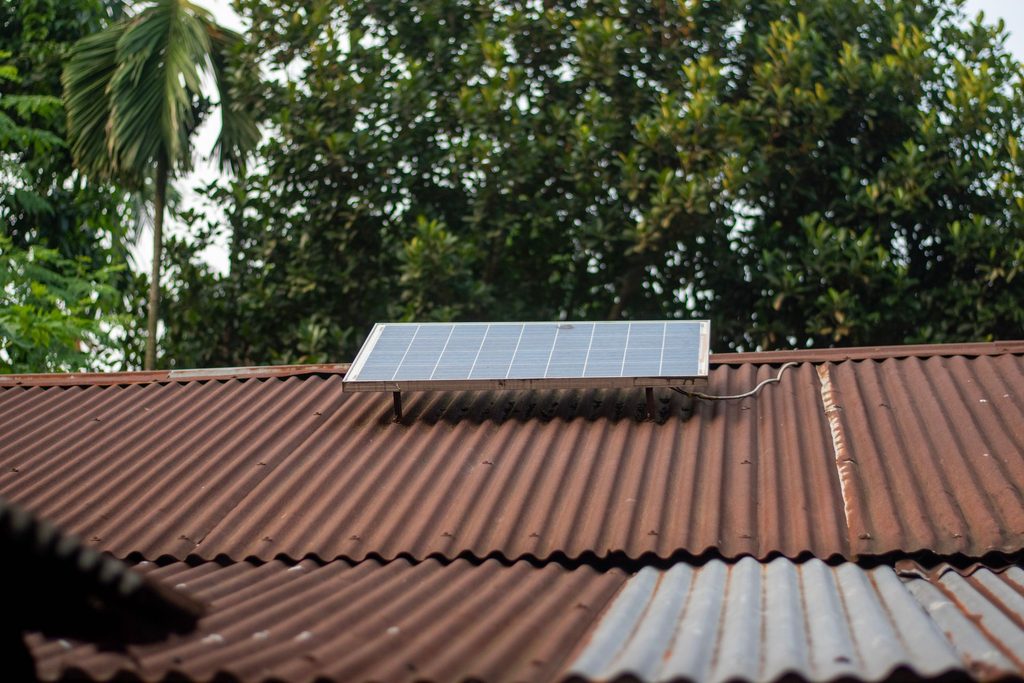
The planned 76 mini-grids would include photovoltaic solar systems, battery energy-storage systems and, where necessary, diesel backup generators. Six sites are expected to operate as interconnected mini-grids, while the remaining 70 would function as isolated systems.
For communities currently dependent on petrol or diesel generators—or with little access to electricity altogether—the expansion could create a cleaner and potentially more dependable source of power.
Read Also: Nigeria Releases New Framework for Mini Grid Interconnection
More Than an Energy Project
The significance of decentralised energy extends beyond the electricity generated. Reliable power can provide small businesses with longer and more predictable operating hours, support agricultural processing and help communities access services that require electricity.
Health facilities can depend on electricity for essential equipment, while schools and households can gain greater opportunity to use digital technologies. For businesses operating in remote areas, access to electricity can also reduce some of the costs and logistical challenges associated with maintaining individual generators.
This makes mini-grid development relevant not only to Nigeria’s energy transition, but also to broader questions around rural economic participation and social development.
Financing Nigeria’s Energy Transition
The proposed IFC investment forms part of the World Bank-backed Nigeria Distributed Access through Renewable Energy Scale-up (DARES) initiative.
IFC says the proposed financing would consist of a revolving loan of up to $7.2 million, including $3.6 million from IFC’s own account and up to another $3.6 million from blended finance and/or parallel lenders. The financing would help Sosai implement its capital expenditure programme for the planned mini-grid expansion.
The project is still pending approval, meaning the proposed financing should not yet be treated as a completed transaction.
If approved and implemented, however, the investment would demonstrate how development finance can be used to support private-sector renewable-energy infrastructure while extending electricity access beyond conventional grid networks.
Putting Communities Into the Energy Equation
One notable element of IFC’s review is the attention given to environmental and social considerations surrounding the proposed expansion.
The assessment included consultations with community members around existing Sosai mini-grid sites in Plateau State, including efforts to capture the views of both male and female residents.
The company is also expected to strengthen its environmental and social management systems, including procedures covering occupational health and safety, hazardous materials, road safety, stakeholder engagement and grievance management.
That layer of accountability is increasingly important as renewable-energy infrastructure expands.
Solar power may reduce dependence on fossil fuels, but the infrastructure required to generate and distribute electricity still carries environmental and social responsibilities—from battery management and electrical safety to land use, construction activities and community engagement.
Local Jobs and Economic Participation
The proposed projects could also generate employment opportunities during construction and operation. IFC’s assessment indicates that construction of each site typically involves about 15 workers, with contractors primarily recruiting from surrounding communities. Once operational, each mini-grid is expected to have about four personnel, including administrative, technical and security roles.
While these numbers may appear modest individually, the cumulative effect across dozens of projects could create opportunities for local workers while developing technical capacity around renewable-energy infrastructure.
The expansion could therefore create impact at multiple levels: electricity access for consumers, economic opportunities for communities and a larger market for Nigeria’s distributed renewable-energy sector.
The Sustainability Test
Nigeria’s clean-energy transition is increasingly moving beyond the construction of large power facilities. Mini-grids offer another route—one that can take electricity directly into communities where extending the national grid may be difficult or economically challenging.
But the ultimate success of the Sosai project will not be determined simply by the number of solar panels installed.
It will be measured by whether the infrastructure delivers reliable electricity, whether communities can afford and meaningfully use the power, whether local people benefit economically, and whether environmental and social risks are properly managed.
For the thousands of consumers targeted under the proposed expansion, the impact could be far more tangible. A powered shop can stay open longer. A health facility can operate more reliably. A farmer can process produce closer to home. A young person can study after sunset.
That is where the sustainability story of distributed renewable energy becomes most meaningful: not simply in the transition from diesel to solar, but in bringing the benefits of that transition closer to people who have historically been left at the edge of Nigeria’s electricity system.
Follow CSR Reporters to stay informed on the decisions, investments and developments shaping Nigeria’s clean energy future.
[give_form id="20698"]