ONYINYECHI NWAIGBA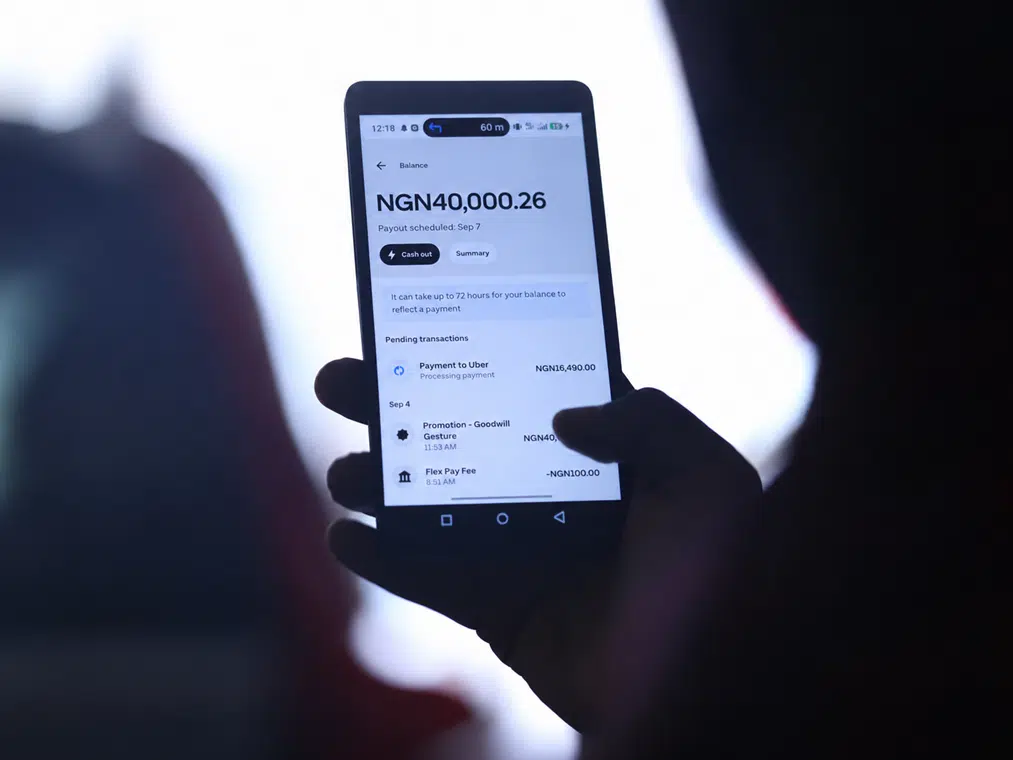
Uber’s exit from Nigeria may have ended a 12-year chapter for one of the country’s most recognizable ride-hailing platforms, but for the drivers who depended on the app for income, the story is only beginning.
The company officially discontinued its operations in Nigeria on September 2, 2026, following a review of its business priorities and investment focus across Africa. Uber said it would support affected drivers through the transition and had been in contact with active drivers to provide what it described as a token of appreciation.
That promise has since translated into goodwill payments to some drivers.
Reports initially put the payment at ₦40,000 for eligible drivers, with some drivers saying the amount appeared in their Uber accounts as a “Goodwill Gesture.” However, Uber has since clarified that the payments were discretionary and made to active drivers, while declining to disclose how many drivers received them or the criteria used to determine eligibility.
The amount itself may grab attention, but the bigger question is what happens to the people whose livelihoods were connected to the platform after the app disappears.
The ₦40,000 Is Not the Whole Story
The reported goodwill payment should not be confused with severance pay.
Uber has stated that its Nigerian drivers were independent contractors and therefore were not eligible for severance. The company described the payments instead as a discretionary gesture of gratitude to active drivers who had been part of its journey.
Some driver accounts have also suggested that not everyone received the same amount, while outstanding balances could affect what a driver ultimately received. There have also been conflicting accounts from representatives of the Amalgamated Union of App-Based Transporters of Nigeria (AUATON) regarding the number of drivers compensated and the amounts paid.
That makes the payment an important part of the transition, but not the end of the conversation.
For a driver who used Uber to meet daily household expenses, fuel costs, vehicle repayments or other financial commitments, a one-off payment can provide temporary relief. It does not replace a continuing income stream.
And that is where the real livelihood question begins.
When a Platform Becomes Part of a Livelihood
The growth of ride-hailing in Nigeria has changed the way many people earn money.
For drivers, platforms provide access to customers, payment systems, technology, navigation, visibility and, importantly, a relatively straightforward way to turn an existing vehicle into an income-generating asset.
That model also creates a form of dependence.
A driver may not technically be an employee of a platform, but the platform can still become an important part of that driver’s economic life.
Uber’s 12-year presence in Nigeria meant that many drivers built routines, customer relationships and income expectations around the service. Some operated across several platforms, while others may have relied more heavily on Uber.
With the platform gone, those drivers now have to adjust.
Uber’s exit leaves Nigerian drivers with other ride-hailing options, including Bolt, inDrive and LagRide. Some drivers have already indicated that they intend to increase their activity on competing platforms rather than leave ride-hailing altogether.
But switching platforms is not necessarily the same thing as replacing lost income.
The Gig Economy Is Already Under Pressure
Uber’s departure also comes at a difficult time for Nigeria’s ride-hailing sector.
Earlier in 2026, drivers in Lagos reported significant pressure on earnings as fuel costs increased and operating expenses rose. Drivers and their representatives have also raised concerns about fares, platform commissions and the wider cost of keeping vehicles on the road.
This matters because Uber’s exit is not happening in an otherwise stable market.
Drivers moving to competing platforms are entering a sector where the basic economics of the job are already under pressure.
Fuel, vehicle maintenance, insurance, repairs, tyres, financing and daily living costs all affect what a driver actually takes home.
The availability of another app therefore does not automatically mean the availability of another sustainable livelihood.
What Happens When Digital Platforms Leave?
Uber’s departure raises a broader question for Nigeria’s growing digital economy.
What responsibilities should platforms have towards the people whose livelihoods depend significantly on their services when they decide to leave a market?
There is an important distinction here.
A company has the right to make commercial decisions about where it operates. Uber has said its decision was based on evolving business priorities and investment focus across Africa, and specifically stated that the Nigerian exit was unrelated to the recent Federal Airports Authority of Nigeria dispute over e-hailing operations at airports.
But commercial freedom does not eliminate the human consequences of those decisions.
When a major platform exits, the effects can extend beyond employees on its payroll.
There are drivers, vehicle owners, fleet operators, mechanics, car-financing arrangements, technology providers and other businesses that may have developed economic activity around the platform.
This is one of the defining questions of the platform economy: how do businesses balance flexibility and commercial independence with responsible transitions for the people affected by their decisions?
A Good Exit Is More Than a Final Payment
The goodwill payment is useful, but responsible exit planning can involve more than money.
For drivers, useful transition support could include clear communication about timelines, transparent eligibility criteria, settlement of outstanding balances, accessible customer support and information about what happens to accounts and financial records.
Where appropriate, platforms can also consider practical pathways that help workers transition to alternative income opportunities.
That does not necessarily mean a company must guarantee future employment.
It means recognising that people are affected differently when a service disappears.
A driver who has been active for several years is in a different position from someone who joined recently. A driver operating across three platforms may face a different challenge from someone who depended heavily on one. A vehicle owner with outstanding financing obligations may experience the exit differently from a driver using a fully paid-off car.
The transition therefore cannot be understood through one payment figure alone.
There Is Also a Lesson for Nigerian Businesses
Uber’s exit provides a useful lesson beyond the ride-hailing industry.
Nigeria’s digital economy increasingly depends on platforms connecting businesses, workers and consumers.
From logistics and e-commerce to financial technology, digital platforms can become deeply integrated into everyday economic activity.
That creates opportunities, but it also creates exposure.
When a platform shuts down, changes its pricing model, restricts access or leaves a market, the people operating around it may have little control over the decision.
For businesses operating in these spaces, responsible corporate practice should therefore include thinking about the consequences of major strategic changes on workers and other stakeholders.
For regulators and policymakers, the episode also raises questions about how Nigeria can encourage innovation while ensuring that people participating in the digital economy are not left excessively vulnerable when business models change.
Drivers May Need More Than One Platform
One of the clearest responses from Nigerian drivers has been diversification.
Some drivers already work across Uber, Bolt and inDrive, allowing them to switch between platforms depending on demand and earnings.
That model may become increasingly important.
For workers in the gig economy, depending entirely on one platform can create a significant vulnerability. Having multiple sources of income can provide some protection when one platform changes its rules, reduces demand or exits altogether.
However, diversification also has limits.
A driver cannot simply add more platforms without considering fuel consumption, commissions, waiting time, vehicle wear and the actual income generated from each service.
The objective should not simply be to remain online on more apps. It should be to build a livelihood that remains financially viable.
The Next Question Is Sustainability
Uber’s Nigeria exit is ultimately bigger than the ₦40,000 goodwill payment.
It is about what happens when a digital platform that has become part of people’s economic lives disappears.
The company has fulfilled what it describes as a discretionary gesture to active drivers, but the longer-term transition will depend largely on what drivers do next, how competing platforms respond, and whether the wider ride-hailing ecosystem becomes more sustainable.
For drivers, the immediate task is finding ways to replace lost demand without worsening already tight margins.
For competing platforms, Uber’s departure presents an opportunity to attract both drivers and riders, but it also places greater attention on how those platforms treat the people who keep the sector moving.
For policymakers, the episode is another reminder that the growth of the gig economy should be accompanied by conversations around income stability, worker protections, transparency and responsible business practices.
And for companies operating digital platforms, there is a broader lesson: the people who use a platform to earn a living may not be employees, but their livelihoods can still be deeply connected to the decisions made by the company behind the app.
Uber may have left Nigeria, but the questions raised by its departure are likely to remain long after the app stops receiving trip requests.
[give_form id="20698"]