Beyond the Numbers: What Nigeria’s Metering Push Means for Consumers, Businesses and the Power Sector
 ONYINYECHI NWAIGBA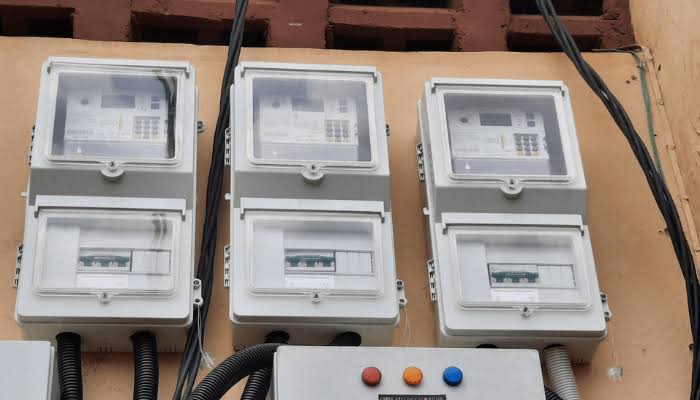
Nigeria’s electricity sector is making progress on one of its longest-running challenges: getting more customers onto prepaid meters.
The Federal Government installed 707,765 electricity meters during the first half of 2026, representing a 71 percent increase compared with the 412,792 meters installed during the corresponding period of 2025. The installations covered 357,495 meters in the first quarter and another 350,270 in the second quarter.
Yet the numbers also reveal how much work remains.
Data from the Nigerian Electricity Regulatory Commission (NERC) shows that, as of the end of June 2026, 7,743,839 out of 12,589,486 active registered electricity customers were metered, giving the country a national metering rate of 61.51 percent. This means more than 4.8 million active customers remained without meters.
The figures tell two stories at once: Nigeria is installing meters at a faster pace, but a substantial portion of electricity customers still do not have direct measurement of their consumption.
For consumers, businesses and electricity distribution companies, the gap matters because metering is closely connected to how electricity is billed, monitored and paid for.
Why Metering Matters Beyond the Meter
A meter does more than record electricity consumption.
For a customer, it provides a clearer basis for understanding how much electricity is being used and how much is being paid for it. For a distribution company, accurate consumption data can improve billing and revenue collection.
That makes metering an important part of the relationship between electricity providers and their customers.
NERC has continued to use monthly energy caps as a safeguard for some unmetered customers, limiting the amount they can be billed while they remain without meters. The regulator says the measure is intended to protect customers against excessive estimated billing as the metering program continues.
But energy caps are a temporary protection, not a substitute for universal metering.
The more fundamental solution is for customers to have functioning meters that accurately record their consumption.
That distinction matters because better metering can improve transparency on both sides of the electricity market.
More Meters, But a Large Gap Remains
The 707,765 meters installed during the first half of the year represent a substantial increase from the same period in 2025.
However, the remaining gap shows why the Federal Government’s metering programs still have a long way to go.
The Presidential Metering Initiative is targeting the deployment of five million smart meters by 2027. The Federal Ministry of Power says the initiative is intended to improve energy accountability, strengthen revenue collection and reduce aggregate technical, commercial and collection losses in the electricity sector.
The government is also deploying meters through different frameworks, including the Distribution Sector Recovery Programme (DISREP), Meter Asset Provider (MAP) arrangements and other financing mechanisms.
During the second quarter, DISREP accounted for 205,486 of the 350,270 meters installed, representing 58.67 percent of quarterly installations. MAP accounted for another 123,833 meters.
The scale of the remaining gap means that maintaining the pace of deployment will be important.
It also means that installation figures should not be viewed in isolation.
A meter installed on a customer’s premises only creates value if it is properly activated, functional, accurately records consumption and is supported by an effective billing system.
The Consumer Protection Question
For electricity customers, the most immediate concern is often the relationship between consumption and billing.
Where customers are metered, there is a direct mechanism for measuring how much electricity they consume. Where they are not, estimated billing arrangements can become a source of disagreement between consumers and distribution companies.
NERC’s continued use of energy caps for certain unmetered customers shows that the regulator recognises the vulnerability created by the metering gap.
Closing that gap therefore has a consumer-protection dimension.
It can give customers greater visibility over their electricity use and make it easier to identify unusual consumption patterns. It can also reduce some of the uncertainty associated with estimated bills.
But metering alone will not resolve every complaint within the electricity market.
Customers can still experience poor supply, faulty meters, billing errors or service challenges even when they are metered. That means the success of the metering program must ultimately be considered alongside broader improvements in electricity supply, customer service and regulatory enforcement.
Why Businesses Should Care
The issue is also important for Nigerian businesses.
Electricity is a major operating consideration for businesses of different sizes, from small shops and restaurants to factories and large commercial establishments.
Knowing how much electricity is being consumed can help businesses monitor costs, identify inefficient equipment and make decisions about energy use.
For businesses that combine grid electricity with generators, solar systems, inverters or other backup solutions, accurate consumption information can also help with energy planning.
This is particularly relevant as businesses increasingly look for ways to control operating expenses.
A reliable metering system can provide data that helps a business understand its energy profile rather than relying on estimates.
For larger businesses, better electricity data can also support more detailed energy management and sustainability reporting.
That makes metering relevant not only to the power sector but also to conversations around business efficiency and responsible resource use.
The Youth Employment Opportunity
There is another dimension to Nigeria’s metering program that goes beyond consumers and electricity companies: jobs.
In July, the Federal Government launched the Power Force Programme under the Presidential Metering Initiative, with a plan to train 5,000 young Nigerians as certified metering technicians. The Ministry of Power said the broader initiative is expected to create more than 20,000 jobs for local assemblers and installers.
This creates an interesting link between infrastructure development and skills development.
Installing millions of meters across a country as large as Nigeria requires people with the technical skills to install, test, maintain and service the equipment.
Training young Nigerians for these roles can therefore help address two challenges at the same time: the electricity sector’s metering deficit and the need for more employment opportunities.
The long-term value of the program, however, will depend on whether the training translates into sustained work and whether the sector continues to create opportunities for certified technicians.
A Sector-Wide Challenge
The latest numbers also show that metering progress is not uniform across the country.
According to NERC’s May and June 2026 metering factsheet, Eko had a metering rate of 88.70 percent, followed by Ikeja at 87.91 percent and Abuja at 81.38 percent. The national rate stood at 61.51 percent.
These differences highlight the importance of looking beyond the national average.
A national improvement can coexist with significant gaps within individual distribution companies and customer groups.
For customers in areas where metering remains low, the experience of the electricity market may therefore be very different from that of customers in areas with much higher coverage.
This makes consistent implementation and monitoring important.
Metering Is Not the Same as Reliable Electricity
One distinction should remain clear: having a meter does not mean having reliable electricity.
A customer can have a prepaid meter and still experience inadequate supply.
The Federal Ministry of Power has acknowledged that improving the electricity sector also requires investment in transmission and grid stability. In July, the ministry said it was pursuing investment aimed at addressing recurring grid collapses and voltage fluctuations.
NERC’s second-quarter stakeholder review similarly identified grid stability, transmission infrastructure, customer service, market remittances and metering as separate areas requiring attention.
This is important because electricity reform is interconnected.
Better metering can improve transparency and commercial performance, but it cannot generate electricity or strengthen a weak transmission network.
The wider objective has to be a power system in which generation, transmission, distribution, metering, billing and customer service work together.
Measuring What Happens After Installation
As the Federal Government continues to deploy meters, another question becomes increasingly important: what happens after installation?
How many of the meters remain functional?
How quickly are new meters activated?
How accurately do they capture consumption?
How many customers move from estimated billing to actual consumption-based billing?
And does improved metering contribute to better revenue collection and lower commercial losses?
These questions matter because the success of a public infrastructure program cannot be measured only by how many physical units have been deployed.
The real measure is what changes because those units are in place.
For consumers, that could mean greater billing transparency. For businesses, better energy-cost management. For DisCos, improved revenue visibility. For technicians and local manufacturers, new economic opportunities.
What Comes Next
Nigeria’s metering push is clearly gaining momentum.
The first-half installation figure of 707,765 meters represents significant growth from the previous year, while the national metering rate has reached 61.51 percent. But with more than 4.8 million active customers still unmetered at the end of June, the scale of the remaining challenge is equally clear.
The next phase will therefore be about more than installing meters.
It will be about ensuring that the meters work, customers understand how to use them, billing systems reflect actual consumption, technicians are available to maintain them and distribution companies have the systems required to use the resulting data effectively.
It will also require the metering program to move alongside improvements in electricity supply, grid stability and customer service.
For Nigeria, the opportunity is significant.
A more accurately measured electricity market can create better information for consumers, businesses, regulators and service providers. But the ultimate impact will depend on whether the country can turn the current increase in meter deployment into lasting improvements in transparency, accountability and the quality of electricity services.
The number of meters installed is an important milestone.
What matters next is what those meters change.
[give_form id="20698"]