ROSEMARY IMOBHIO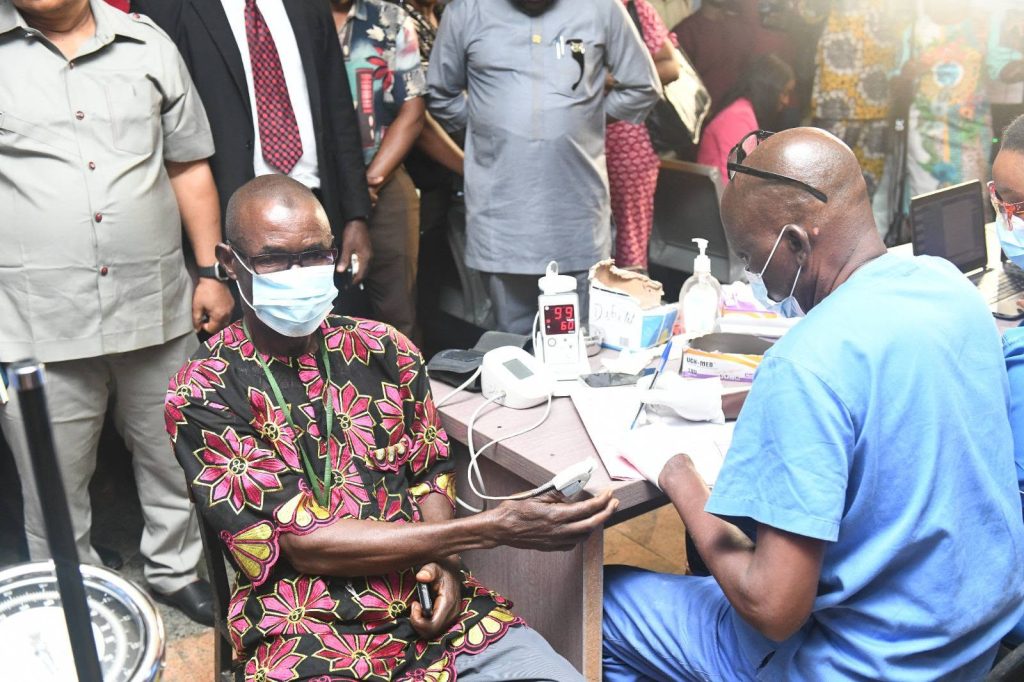
A two-month free medical CSR programme has opened access to healthcare for people who may otherwise struggle to afford treatment. It also aims to create a practical training opportunity for future health professionals in Ebonyi State.
The initiative is being jointly delivered by David Umahi Federal University Teaching Hospital (DUFUTH) and David Umahi Federal University of Health Sciences (DUFUHS). It is part of their Corporate Social Responsibility (CSR) to the host community and surrounding areas.
The programme is open to people of different age groups within and outside Ebonyi State. It is designed to provide quality medical care while allowing students of the university to gain clinical experience through direct interaction with patients.
The collaboration reflects a growing understanding of CSR as more than financial donations. In this case, institutional resources are being used to address healthcare access while also supporting the development of future medical professionals.
Free Treatment Targets Common Conditions
The Chief Medical Director of DUFUTH, Prof. Chihurumnanya Alo, said the programme would cover several common health conditions. These include malaria, upper respiratory tract infections, hernia, skin and fungal infections, hypertension, diabetes and arthritis, among others.
The treatment is also not restricted to a particular category of residents. According to the organisers, people are encouraged to take advantage of the programme regardless of their social or economic circumstances.
Alo also urged residents experiencing symptoms that require medical attention to visit the hospital during the two-month exercise. Early presentation, he noted, can support prompt diagnosis and treatment while reducing the risk of complications.
The medical director further called on hospital staff to contribute their time, expertise and resources towards the success of the initiative. For the institutions, therefore, the programme is intended to combine immediate healthcare support with a longer-term investment in health education and professional training.
A CSR Model With Two Beneficiaries
While members of the public are the immediate beneficiaries of the free treatment, students are also expected to gain from the programme. The teaching hospital provides a clinical environment where students can engage with real patients and observe the practical application of their training. Alo described the collaboration as one aimed at delivering both quality care and quality training.
The approach gives the CSR initiative a dual purpose. Patients receive access to medical services, while students gain exposure to clinical practice in a functioning healthcare environment. That connection is particularly relevant for health sciences education, where classroom knowledge must eventually be applied in real-world settings.
Vice-Chancellor of DUFUHS, Prof. Jesse Uneke, described the partnership between the university and teaching hospital as part of their social responsibility to the host community. He also said the programme was intended to make healthcare more accessible to people who might otherwise have difficulty obtaining quality medical attention.
“This exercise will open doors for those who have never stepped into a state-of-the-art hospital like this to come and enjoy quality healthcare,” Uneke said.
Read Also: World Heart Day Beyond Awareness, Can Nigerians Afford the Heart Care They Need?
Staff Raise N10.5 Million
The programme has also received financial support from staff of the university. Uneke disclosed that university employees collectively donated N10.5 million through the Health Endowment Fund to support the initiative. The contribution provides an additional layer of institutional support for the programme.
Furthermore, the university leadership has called on individuals and organisations willing to contribute to support the exercise. Members of the public have also been encouraged to share information about the programme, particularly with people who may be unable to afford quality healthcare.
The founder of both institutions and Minister of Works, Senator David Umahi, has separately pledged to fund the first two weeks of the exercise. The commitment was linked to the Federal Government’s Renewed Hope Agenda and its focus on improving the health and wellbeing of Nigerians.

Bringing Healthcare Closer To Communities
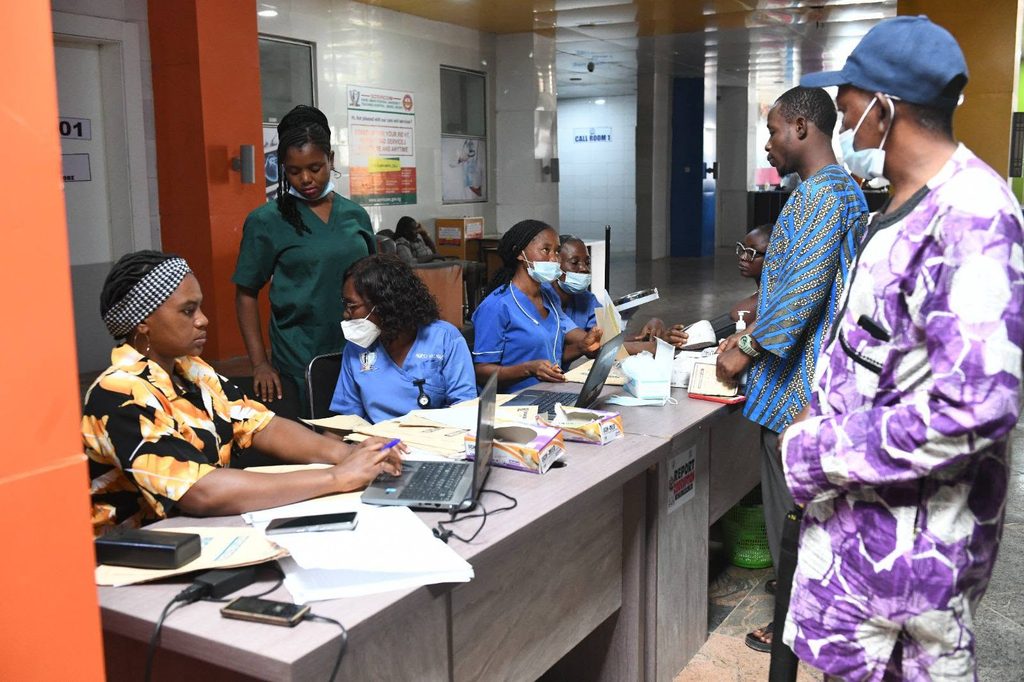
For communities around the hospital, the programme offers an opportunity to access medical attention without the usual cost barrier. Chairman of the Medical Advisory Committee of DUFUTH, urged residents to take advantage of the exercise and have their health assessed. He also encouraged communities around the hospital to participate fully during the two-month period.
Beyond treatment, the initiative places attention on prevention and early intervention. Residents have been encouraged to adopt healthy practices and cooperate with healthcare professionals in efforts to prevent communicable diseases. That makes the programme relevant beyond the individual patients who receive treatment.
When health conditions are identified early, patients can receive attention before complications develop. At the same time, greater community engagement with healthcare facilities can encourage people to seek professional help rather than delay treatment.
From Access To Lasting Impact
The first beneficiary of the programme, Mr Okoroafor Paul, expressed appreciation to the management of both institutions for the initiative. His experience captures the immediate purpose of the intervention: making healthcare available to people who need it.
However, the longer-term value of the programme will depend on how effectively the two institutions sustain the collaboration, support students through meaningful clinical exposure and respond to the health needs identified during the exercise.
For CSR, this model offers a useful reminder that social investment does not always have to sit outside an organisation’s core expertise. In this case, healthcare delivery, education and community responsibility have been brought together in one programme.
As the two-month exercise continues, its impact will be measured not only by the number of people treated. The quality of care delivered, the knowledge gained by students and the extent to which the initiative strengthens the relationship between the institutions and the communities they serve will also count.
Stay with CSR Reporters as we follow how institutions are turning community needs into practical CSR action.
[give_form id="20698"]