ROSEMARY IMOBHIO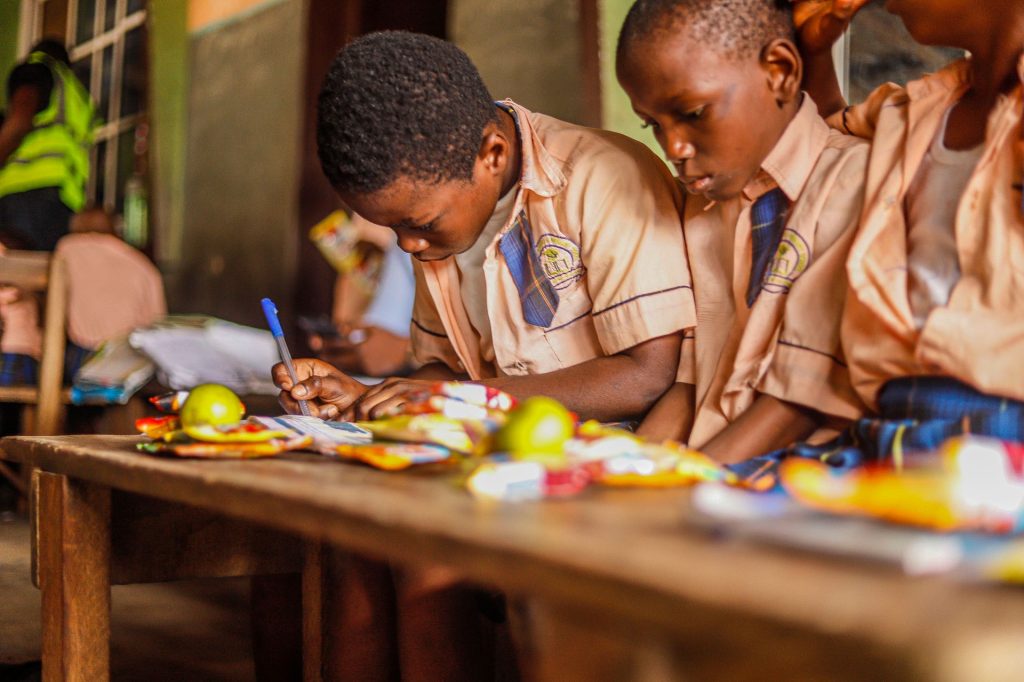
Nigeria’s effort to improve basic education is entering a critical implementation phase, with a $552.18 million World Bank-supported programme targeting 29 million children, 500,000 teachers and 65,000 public schools across the country.
The Human Capital Opportunities for Prosperity and Equity in Education (HOPE-EDU) programme also aims to support 10,000 non-formal learning centres and facilitate the construction of 13,000 classrooms. However, the scale of these ambitions raises an important question. Can state governments provide the funding and institutional support needed to turn the programme’s targets into measurable improvements in education?
The Universal Basic Education Commission (UBEC) has warned that inadequate state budgetary provisions could jeopardise implementation. It is placing governors and state education authorities at the centre of the initiative’s success.
Speaking in Abuja on Tuesday at a two-day meeting with chairmen of State Universal Basic Education Boards (SUBEBs), UBEC Executive Secretary Dr Aisha Garba urged states to prepare for the financial and operational commitments required under the programme.
According to Garba, HOPE-EDU became effective on February 27, 2026, and has entered its implementation phase. She stressed that states must incorporate relevant activities into their 2027 budgets to meet the requirements attached to the programme’s first year.
“A lot of the deliverables for Year 1 will require provisions in the states’ 2027 budget,” she said.
The warning highlights a familiar challenge in public service delivery. National programmes may secure substantial financing and establish ambitious targets, but their impact often depends on whether subnational governments can provide counterpart resources, implement agreed activities and demonstrate results.
Funding Is Only the Starting Point
HOPE-EDU adopts a results-based financing model, linking disbursements to the achievement of agreed targets and performance indicators. Under this arrangement, participating states must meet specified requirements and undergo verification before qualifying for corresponding funds.
The programme’s funding structure allocates $262.239 million to improving the quality of basic education, $123.9 million to expanding access and $133.611 million to strengthening key systems.
These three areas address interconnected challenges within Nigeria’s education sector. While access remains a major concern, enrolment alone cannot guarantee that children acquire essential literacy, numeracy and other foundational skills. Similarly, investments in teaching materials and classrooms require effective institutions, reliable data and adequate oversight to produce lasting benefits.
The quality component will focus on improving teaching standards, providing essential learning resources and raising pupils’ achievement levels in participating states. One of its interventions is the Structured Pedagogy Programme, designed to strengthen literacy and numeracy instruction in primary schools. The approach recognises that educational outcomes depend not only on whether children attend school but also on the quality of instruction they receive.
See Also: FG, World Bank Restructure Education Programme
States Face Different Eligibility Requirements
Although the programme has nationwide ambitions, its three result areas have different participation conditions. Garba explained that the education-quality component is open to 33 states, with participation potentially extending to all 36 states and the Federal Capital Territory, subject to involvement in the HOPE-GOV operations.
The access component is designed for 15 states with the highest populations of out-of-school children that also meet other eligibility requirements. Meanwhile, the systems-strengthening component is open to all 36 states and the FCT.
These distinctions make implementation readiness particularly important. State governments must understand the requirements attached to each component, identify funding obligations and ensure that the institutions responsible for delivery can satisfy the relevant performance benchmarks. UBEC has consequently directed SUBEB chairmen to present implementation reports to their respective state executives and secure commitments to the required budgetary provisions.
The timing is significant. With key first-year deliverables requiring allocations in 2027 budgets, delays in planning could affect states’ ability to meet programme milestones and access associated financing.
However, budgetary commitments must extend beyond the initial approval of funds. Effective implementation also requires timely releases, appropriate expenditure, transparent procurement and credible evidence that interventions are reaching intended beneficiaries.
Reaching Children Who Are Left Behind
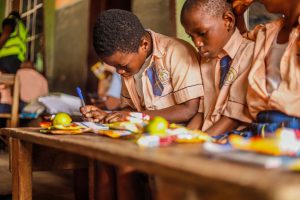
Beyond its financial structure, HOPE-EDU is intended to improve educational opportunities for children who face persistent barriers to learning.
Garba said the initiative, introduced under President Bola Tinubu’s administration, seeks to ensure equitable access to quality education, particularly for children in rural communities, marginalised populations and out-of-school groups.
The focus on out-of-school children is especially important because exclusion from education can reinforce poverty and limit future economic opportunities. Reaching these children requires more than expanding existing schools. It also calls for interventions that respond to local barriers, including the availability of learning facilities and the needs of underserved communities.
The programme’s proposed support for non-formal learning centres could contribute to broader access, provided implementation is responsive to the needs of learners and supported by appropriate teaching resources.
Nevertheless, the programme’s targets should be understood as intended reach, not evidence that these outcomes have already been achieved. Its actual contribution will become clearer as implementation progresses and verified results emerge.
Earlier at the meeting, HOPE-EDU Programme Manager Olumayowa Aleshin presented an overview of the initiative’s financing arrangements, implementation targets and milestones.
The meeting brought together state-level education leaders to discuss readiness and clarify implementation requirements. UBEC also acknowledged the support of the Federal Ministry of Education, the World Bank and other technical partners.
Can States Turn Funding Into Learning Gains?
HOPE-EDU represents a substantial investment in Nigeria’s basic education system. However, its ultimate value will depend on what changes in classrooms and communities.
The federal government and its partners have established a financing framework and ambitious targets. State governments must now demonstrate that they can provide the necessary resources, meet performance conditions and coordinate the institutions responsible for implementation.
For UBEC, securing commitments ahead of the 2027 budget cycle is an immediate priority. For state authorities, the challenge is to ensure that budget allocations become effective programmes, functioning classrooms and stronger teaching.
The results-based model also creates an opportunity to improve public accountability by connecting financing to measurable performance. However, that opportunity will only be realised if verification is credible and implementation data reflect conditions on the ground.
Ultimately, the programme’s success should be judged by whether more children gain access to education, teachers are better equipped to teach and pupils demonstrate meaningful improvements in learning.
With millions of children within its intended reach, HOPE-EDU could help strengthen Nigeria’s education system. Whether it delivers on that promise will depend on the willingness and capacity of governments to turn financial commitments into sustained, verifiable improvements.
Stay with CSR Reporters as we continue to follow the accountability questions surrounding major public investments and their impact on communities across Africa.
[give_form id="20698"]