ROSEMARY IMOBHIO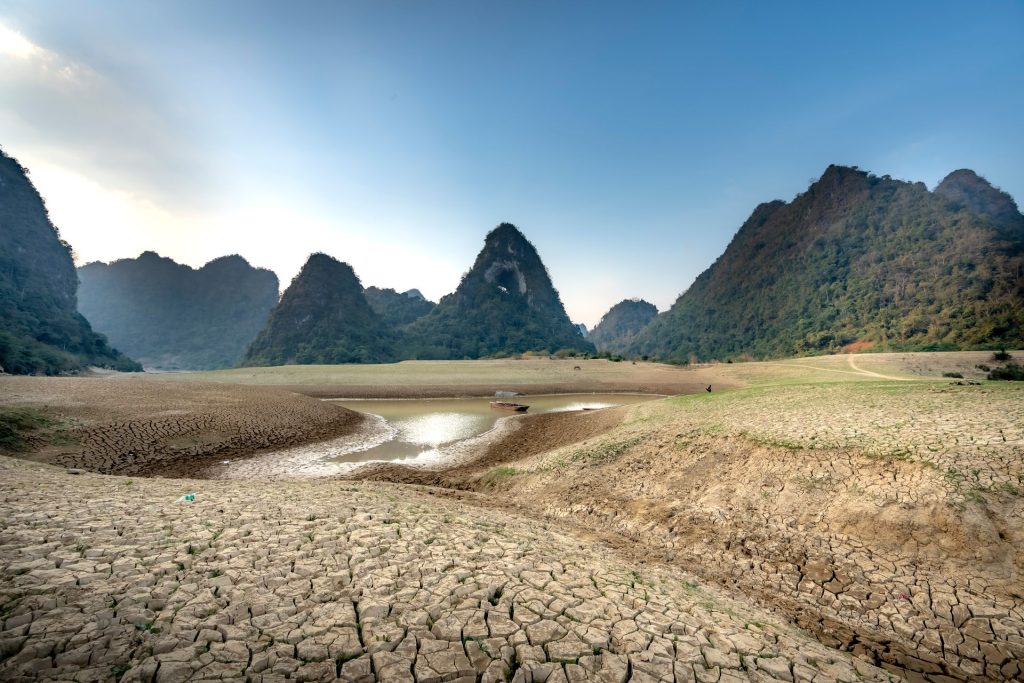
At the Good Seed and Food Festival in Harare, farmers spent their days trading cowpeas, sorghum and millet. Their questions were practical. Which variety ripens early if the rains come late? Which grain stores best through a lean year?
For many, the questions are urgent. Zimbabwe’s Meteorological Services Department says global forecasting centres see an 88% to 94% chance of an El Niño event developing later this year. El Niño is a natural warming of Pacific Ocean waters, often linked to reduced rainfall across Southern Africa.
Why Older Crops Are Back On The Table
Delmah Ndlovu, national chairperson of the Zimbabwe Smallholder Organic Farmers’ Forum, says diversification makes households less dependent on one harvest. Varieties mature at different speeds, so farmers can match their choices to expected rainfall. Beans, legumes, groundnuts and sunflowers add nutrition and other household needs.
The science backs part of this case, but not all of it. Early maturity helps a crop finish before the rains fade. ICRISAT, an international crop research institute, helped develop early-maturing sorghum and millet that effectively dodge drought.
Pest resistance in stored grain is a separate quality. Drought tolerance is another. A variety may offer one without the others, and a traditional name guarantees none of them. Improved seed also belongs in the conversation.
ICRISAT and Zimbabwe’s Crop Breeding Institute co-released the country’s first pearl millet hybrids and two new sorghum hybrids, described as drought tolerant. The practical choice, then, is not old against new. It is a wider menu of seeds that farmers can actually obtain.
From Household Choices to National Food Supply
One farmer in Chimanimani District sees traditional seed and water harvesting as ways to stretch limited rain. Another, from Nkayi District, says his community set aside millet and sorghum. He reports that the reserve could feed his household for two seasons.
These are individual accounts, not national evidence. Still, they show how seed choice, water and storage work as one system.
Scale explains why this matters. One policy briefing says smallholders hold 90% of farming land, and rain-fed production leaves the country vulnerable to rainfall changes. Separately, an agriculture official has said smallholders contribute at least 70% to 80% of the country’s food. Either way, a failed harvest cuts food supplies, household income and nutrition at the same time.
See Also: Whose Seed Is It Anyway? Nigeria’s Warning for Tanzania
Why Seeds Alone Will Not Carry A Dry Season
The regional outlook leans dry. Southern African forecasters see increased chances of below-normal rainfall for November to January, December to February and January to March, with only parts of the south differing. However, uncertainty remains.
The Meteorological Services Department warns that early forecasts face a “spring predictability barrier”, so conditions could still change. Historically, El Niño has carried a 65% likelihood of below-normal rainfall in Zimbabwe. That leaves roughly a one in three chance of a better season. Officials have also noted that Zimbabwe has often performed better than regional projections suggested.
Preparing for either outcome takes more than a seed packet. Farmers need water harvesting, soil moisture management, extension advice, dry storage, timely weather information and affordable finance.
The gaps are visible. A study of the 2023 festival found that most stallholders lacked financial support. Meanwhile, reporting from 2017 quoted an expert saying only 11 new sorghum varieties had been developed since 2000, against more than 140 for maize.
The same expert said farmers who save seed have no guarantee that anyone will buy their surplus. Government has activated an El Niño preparedness plan that includes grain purchases. The reports CSR Reporters reviewed did not say whether it covers small-grain seed.
The Wider African and Business Question
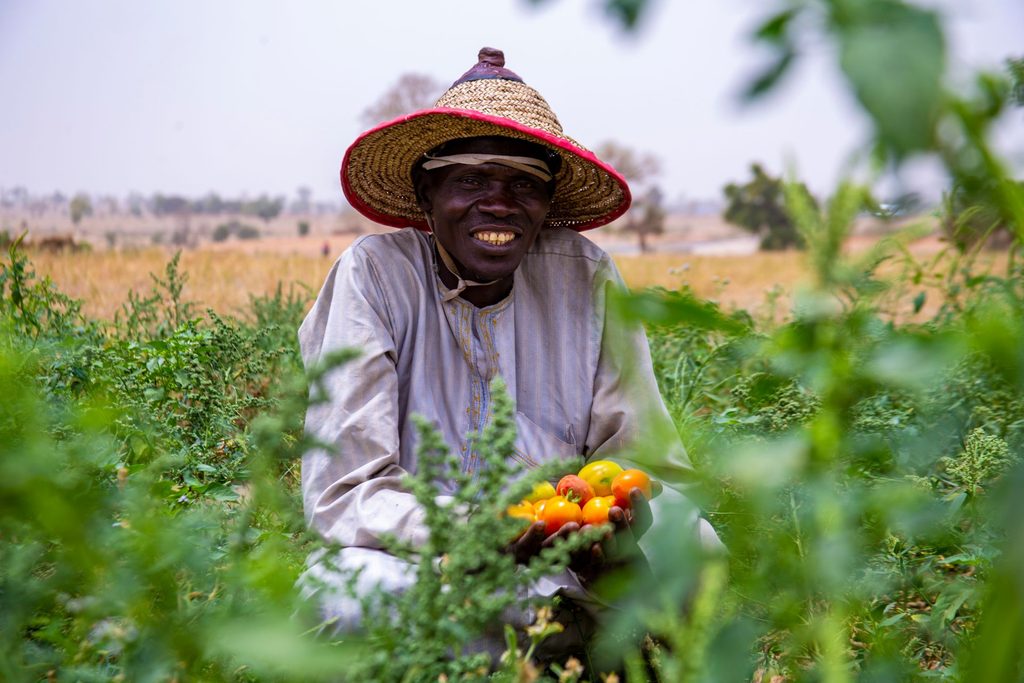
Zimbabwe is not alone. A study of more than 6,600 Zambian farm households found that smallholders shift land towards sorghum, cowpeas and soybeans after droughts (1). The authors add that diversification requires knowledge, access to diverse seed and sometimes new equipment.
FAO notes that vigorous private sector promotion of maize contributed to the loss of traditional crops in Zimbabwe, Malawi and Zambia. It also backs a project working with 30,000 households across the three countries on sorghum, millet, cowpea and pigeon pea diversity.
Business has a role, but the evidence is thin. ICRISAT points to food, animal feed, brewing and school feeding as outlets for the new hybrids. Its Chiredzi seed project reported 59 farmers growing drought-tolerant crops on about 25 hectares and producing 20 to 25 tonnes of seed.
Seed companies could price small-grain seed for smallholders. Lenders could finance storage as well as inputs. Processors could offer forward contracts so surplus has a buyer. These are options, not proven outcomes in Zimbabwe.
What The Farmers’ Choices Reveal
The farmers in Harare are already hedging against risk. What they lack is not ideas but a dependable system around them. A farmer’s two-season reserve shows what happens when seed, storage and local knowledge align. It also shows how much depends on a surplus having somewhere to go.
Resilience, then, looks less like a crop and more like a chain: trusted seed, reliable buyers, safe storage and early weather information. If one link fails, a drought-tolerant variety still leaves a household exposed. The coming season will show how many Zimbabwean households hold the full chain, and how many are left to improvise.
References
- Tabe-Ojong, M. P. J., Tolani, E., & Molua, E. L. (2025). Rolling back the tides: Impact of droughts on crop diversification and cropland expansion. Journal of Environmental Economics and Management, 136, 103260. https://doi.org/10.1016/j.jeem.2025.103260