

 csrreporters
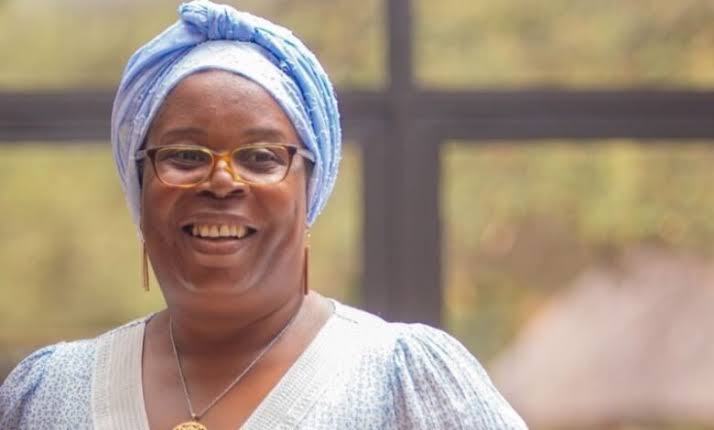
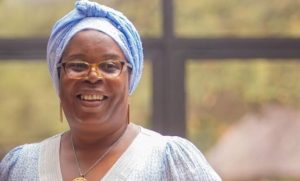
Africa holds the minerals that clean energy needs. Lithium, cobalt and graphite often lie beneath farms, rivers and ancestral land. Dr Melania (Mela) Chiponda asks who pays when those resources power a green economy elsewhere.
The Zimbabwean human rights defender and ecofeminist scholar directs SHINE Collab, a feminist network that backs women-led energy projects. However, she does not oppose renewables. Instead, she argues that a transition built on dispossession fails its own test.
That position gives investors, miners and policymakers a practical yardstick. It asks whether clean supply chains are also fair ones.
From a Grandmother’s Farm to Frontline Research
Chiponda traces her convictions to rural Zimbabwe. Her first job, in 1995, was with women farmers. She noticed that women did the farming while marketing boards registered men as household heads. Her grandmother’s life mirrored this. She raised seven children on farm income while her husband worked in South African mines.
Later, fieldwork in Matabeleland sharpened her analysis. Communities displaced by the Kariba Dam still lacked electricity, and Hwange’s coal had left polluted land. Consequently, she began to question energy systems that serve mines before people.
Her activism carried risk. She reports being arrested in 2008 for organising women against diamond mining. In 2016, she became WoMin’s Climate and Energy Coordinator across 14 African countries.
Her academic path ran through the Women’s University in Africa, where she holds a doctorate in Development Studies. Published biographies describe research on rural women’s access to energy and on development models that strip women of land and water.
The Lithium Question in Bikita
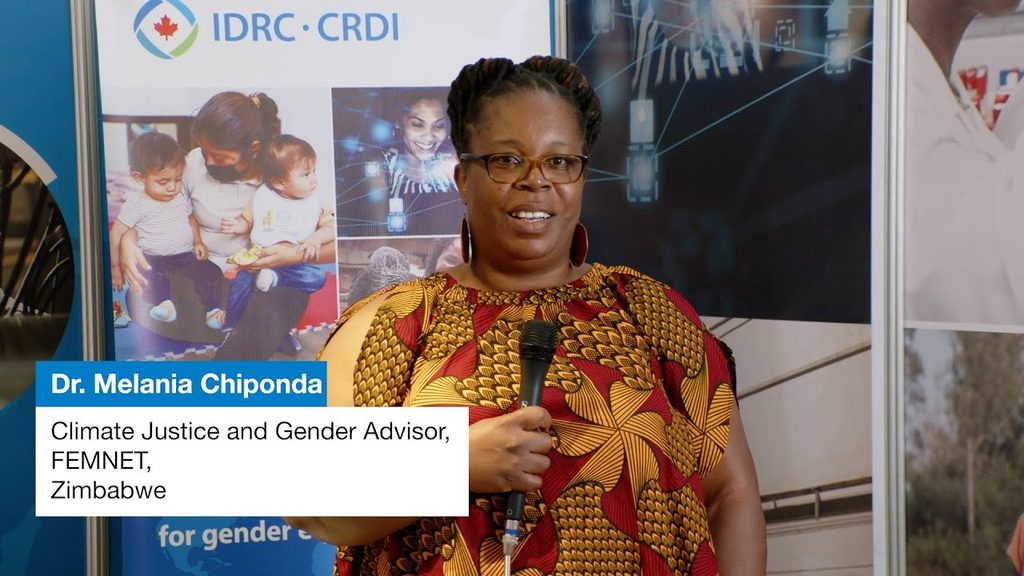
Lithium sits at the centre of the energy transition. Batteries, electric vehicles and grid storage all depend on it. Chiponda notes that Zimbabwe holds Africa’s largest deposits, and Bikita hosts the biggest find.
The Bikita mine has operated since 1911. China’s Sinomine Resource Group bought it in 2022 for US$180 million. Therefore, the stakes for the host community are rising.
Chiponda says extraction harms ecosystems and women’s wellbeing. She adds that it erodes dignity and community. The Vatombe people have lived there for more than 300 years, alongside sacred sites and ancestral graves.
She also says investors take rivers and community water sources, leaving residents with the damage when mines close. A GI-ESCR and SHINE report draws on a workshop with eleven Indigenous women from Hanyanya. It examines land, water, consent, labour rights and care.
Her remedy centres on process. She wants mining to follow community consent, and she wants justice to start “from the extraction point”. Moreover, she questions whether voluntary frameworks can bind companies. Bikita residents, she reports, asked who would be prosecuted if rights were abused.
Women as Energy Managers, Not Beneficiaries
SHINE Collab work sits where gender and energy justice meet. It supports community-driven renewable solutions. Chiponda leads the organisation, although its programmes reflect many partners and community organisers.
She challenges the idea of “putting energy into women’s hands”. In her view, women already manage household and community energy, water and food. Institutions simply treat them as users.
Savings groups illustrate the point. According to Chiponda, rural women run village banks that pool money and lend to members. Some groups have bought solar pumps and repaired solar boreholes.
Her conclusion is direct. Women who finance and maintain energy assets belong in policy rooms. Excluding them, she argues, is about power rather than technical skill.
The Hanyanya Just Transition Hub
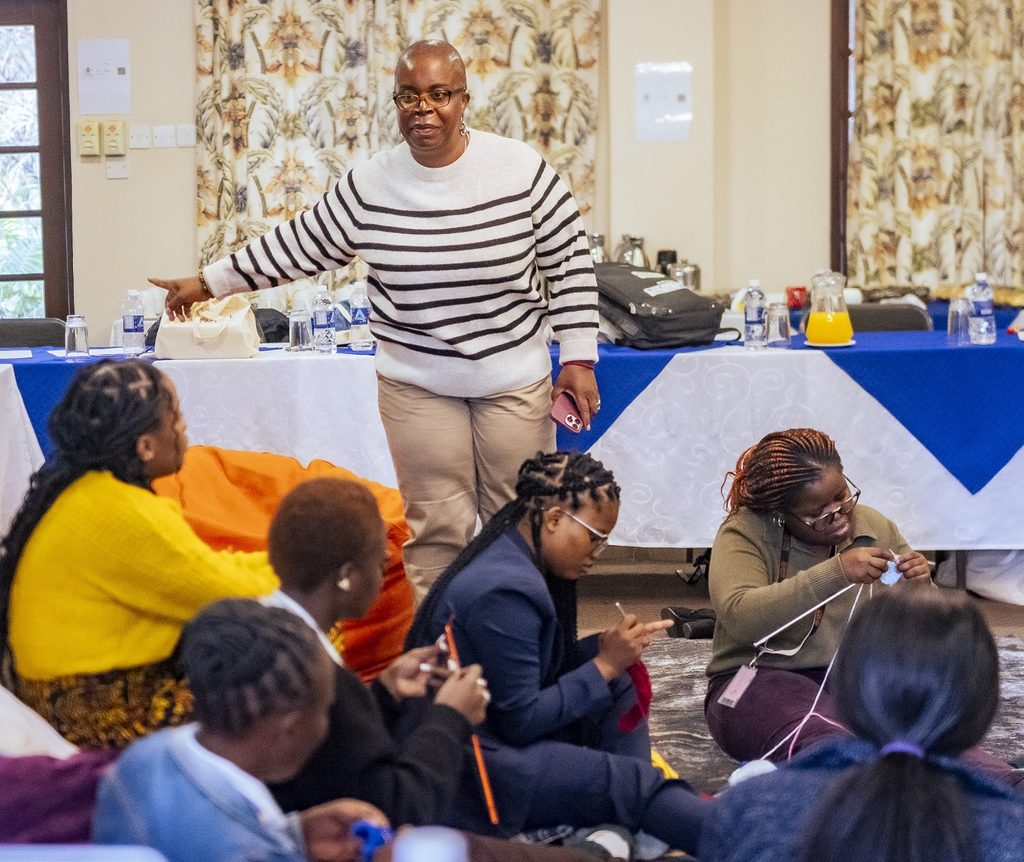
The Hanyanya Just Transition Hub in Bikita is the most tangible product of this thinking. Chiponda announced it as a women-led, ecofeminist space. She describes it as the outcome of Feminist Participatory Action Research and Feminist Popular Education, facilitated by SHINE Collab alongside community organisers.
In this model, women act as co-creators of knowledge rather than research subjects. Coverage of a May 2026 book launch describes a solar-powered hub for organising, skills development and income generation. It lists solar dryers, solar cookers, sewing machines and solar lighting, intended to reduce deforestation.
The model offers a template for community participation. Chiponda calls Bikita a “learning space”, and SHINE hopes to adapt the approach elsewhere.
A Voice Across Platforms
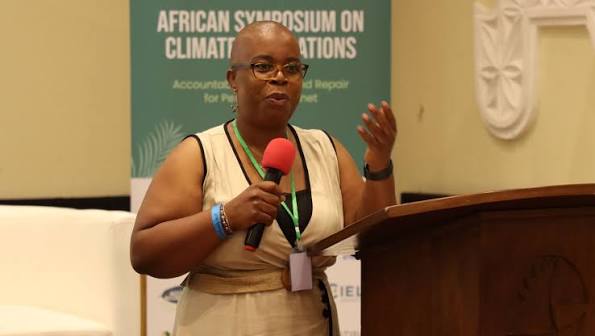
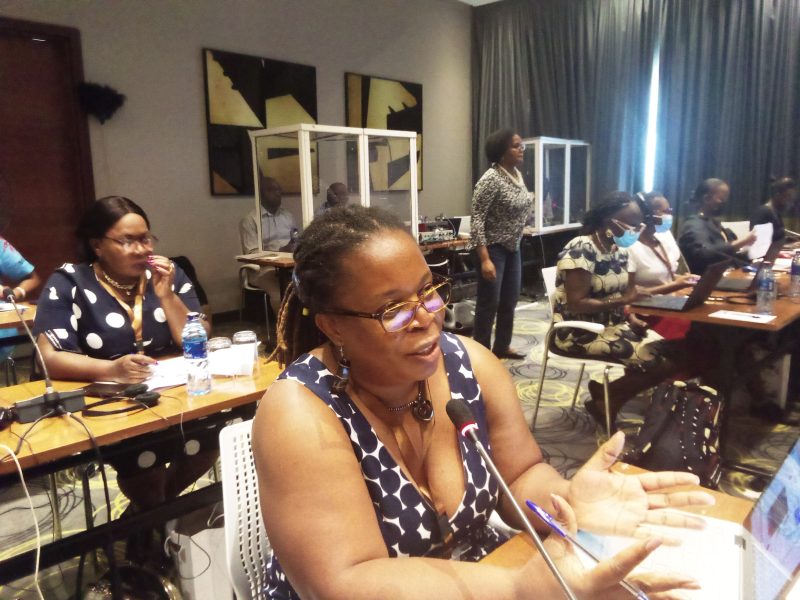
Her advocacy now reaches regional bodies. At the SADC People’s Summit in Durban on 14 and 15 August 2026, she presented “Beyond the Model Law”. It read the decade-old SADC Model Law on Eradicating Child Marriage through land, extraction and climate justice.
She argued that legal reform alone cannot meet new pressures from the minerals rush and climate shocks. In her words, the law “gave the region a floor.” After the 17 August SADC heads of state summit, she also wrote that no transition is just if women subsidise it.
Earlier in 2026, she spoke at the Santa Marta conference on moving away from fossil fuels. Chiponda is listed as a speaker at the Women’s Earth and Climate Action Network’s formal UN side event, Women Leading Climate Solutions on the Frontlines of the Climate Crisis, scheduled for November 16, 2026, at COP31 in Antalya, Türkiye.
Why She Matters Now
Africa is attracting record interest in critical minerals and renewable infrastructure. Consequently, ESG expectations are tightening. Human rights due diligence, free and prior consent and community consultation increasingly shape licences and financing.
Chiponda’s work shows where those safeguards can fail. Consent can be thin, compensation can ignore livelihoods, and women can sit outside negotiations. In addition, supply chains that look clean on paper can carry social risk at the source.
Her central test is simple. Sustainability cannot be judged by megawatts installed or tonnes of lithium shipped. It must also ask how resources were obtained, who bore the costs and who shared the gains.
Her evidence is partly her own advocacy and her record, from the Kariba Dam to Bikita, makes a credible case for accountable energy investment. That is why her work deserves recognition.
For more insightful coverage of sustainability, responsible business and social impact, stay with CSR Reporters.
[give_form id="20698"]