ROSEMARY IMOBHIO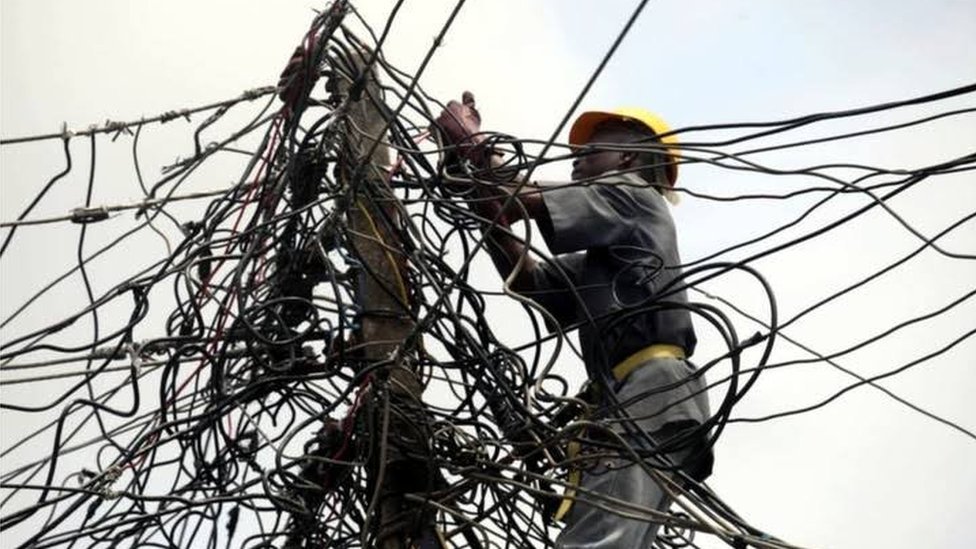
Seventeen people died in electricity-related accidents across Nigeria’s power distribution network in the first quarter of 2026. This is according to the latest safety report from the Nigerian Electricity Regulatory Commission. Admittedly, the figure is lower than the previous quarter. However, it still shows that occupational health and safety remains an unresolved challenge for the country’s DisCos.
Also, NERC’s report recorded 13 injuries alongside the fatalities. These arose from 24 reportable accidents within the distribution and transmission segments. Notably, none of Nigeria’s electricity generation companies recorded a safety incident during the period. Overall, this suggests that risk concentrates at the point where infrastructure meets the public.
Consequently, the total casualty figure for the quarter stood at 30. Meanwhile, the numbers marked a considerable improvement from the fourth quarter of 2025. Specifically, that quarter recorded 46 accidents, 26 deaths and 24 injuries. Nonetheless, a decline in numbers should never signal a resolved problem. Ultimately, human lives remain at stake.
A Test for the “Social” Pillar of ESG
Occupational health and safety sits at the core of the “Social” pillar within the ESG framework that increasingly shapes corporate judgement worldwide. Therefore, how a company treats worker safety often reveals more about its values than any glossy sustainability report can. For Nigeria’s electricity distribution companies, this quarter’s figures offer a window into that reality.
Furthermore, the causes behind the fatalities point to recurring, foreseeable risks rather than random misfortune. Wire snaps and unsafe acts or conditions each caused five deaths, NERC reported. Vandalism caused three fatalities, while illegal or unauthorised access to electricity infrastructure led to two deaths. Two other deaths fell under miscellaneous causes. Similarly, unsafe acts or conditions produced the highest number of reportable accidents overall, with six incidents. Wire snaps followed closely with five.
Overall, these patterns suggest several contributing factors. For instance, ageing infrastructure may play a role. So might inconsistent maintenance schedules and gaps in worker training. Additionally, weak public awareness around the dangers of illegal connections and vandalism continues to expose both workers and ordinary citizens to avoidable harm.
Uneven Distribution of Risk Across DisCos
Interestingly, casualties did not spread evenly across the sector. All electricity distribution companies except Yola recorded casualties during the quarter. Yet Ikeja and Kaduna alone accounted for more than half of the total.
Ikeja recorded ten casualties, representing 33.33 per cent of the total. Kaduna recorded seven, or 23.33 per cent. This concentration raises questions. Are certain DisCos managing safety more effectively than others? Or do their operating environments simply present greater structural risks?
Meanwhile, the Transmission Company of Nigeria reported three separate cases of infrastructure damage. Specifically, explosions, fire outbreaks and vandalism caused this damage. Notably, these incidents did not result in reported deaths. Nonetheless, they illustrate how exposed the country’s power infrastructure remains to both technical failure and criminal interference.
Balancing Accountability with Fair Attribution
To be fair, not every accident belongs squarely at the door of the DisCos. Vandalism and illegal access caused five of the seventeen deaths combined. These point to criminal behaviour that utilities cannot always prevent through internal controls alone. However, this does not absolve electricity distributors of their broader duty of care.
Utilities still carry responsibility for securing infrastructure. They must restrict unauthorised access where feasible. They should also invest in public safety education that discourages dangerous practices like illegal connections.
Categories directly within a company’s control tell a story too. Unsafe acts, unsafe conditions and wire snaps together caused ten of the seventeen deaths. That proportion leaves considerable room for internal improvement.
For example, better inspection regimes could help. So could more rigorous maintenance and stronger enforcement of safety protocols on the ground.
Regulatory Oversight and the Push for Transparency
Notably, NERC has commenced investigations into all reported accidents. It says it will pursue regulatory action where necessary. In addition, the commission organises biannual health and safety managers’ meetings with licensees. During these sessions, officials review safety scorecards and address compliance gaps.
This structured engagement rests on the Nigerian Electricity Supply and Installation Standards Regulations 2023 and the Health and Safety Code 2024. Together, they form an important enforcement mechanism.
Nevertheless, transparency in reporting matters just as much as enforcement. Open disclosure of safety statistics builds public trust. It also allows stakeholders, including investors and civil society, to hold the sector accountable.
NERC further indicated that it oversees compensation settlement processes between licensees and victims’ families. However, no such settlement occurred during the quarter under review.
Learning from Global Utility Practices
Globally, leading utility companies invest heavily in comprehensive safety cultures. Specifically, these cultures rest on preventive maintenance, continuous employee training, proactive hazard reporting and sustained community education.
Meanwhile, the International Labour Organization and the International Energy Agency have both emphasised something important. Namely, safety performance in energy industries depends heavily on consistent inspection cycles. It also depends on a workforce empowered to report hazards without fear of reprisal.
Admittedly, Nigeria’s context differs in infrastructure age and funding constraints. Even so, these principles remain broadly instructive for DisCos seeking to reduce recurring incidents.
Investors Are Paying Closer Attention
Increasingly, investors evaluating ESG performance look beyond emissions data and governance disclosures. Indeed, they now examine how companies manage workplace safety too. A poor safety record can signal weak operational discipline. Likewise, it can point to inadequate risk management and potential legal exposure.
Ultimately, all of these affect long-term value. As a result, DisCos that fail to show measurable safety improvement risk more than regulatory scrutiny. They also risk losing credibility with capital markets that increasingly prize responsible operations.
Safety as a Core Measure of Corporate Responsibility
The quarter’s improved figures deserve recognition as encouraging progress. Still, they represent an unfinished job. Seventeen deaths in three months mean seventeen families whose lives changed permanently.
Going forward, safety performance ought to sit alongside customer service, governance and environmental commitments. Together, these should form the core pillars by which Nigeria’s electricity distribution companies are judged. Only then, ultimately, can the sector claim to fulfil its full responsibility, not just to shareholders, but to the workers and communities it serves every day.
[give_form id="20698"]