GLORYANN OSANG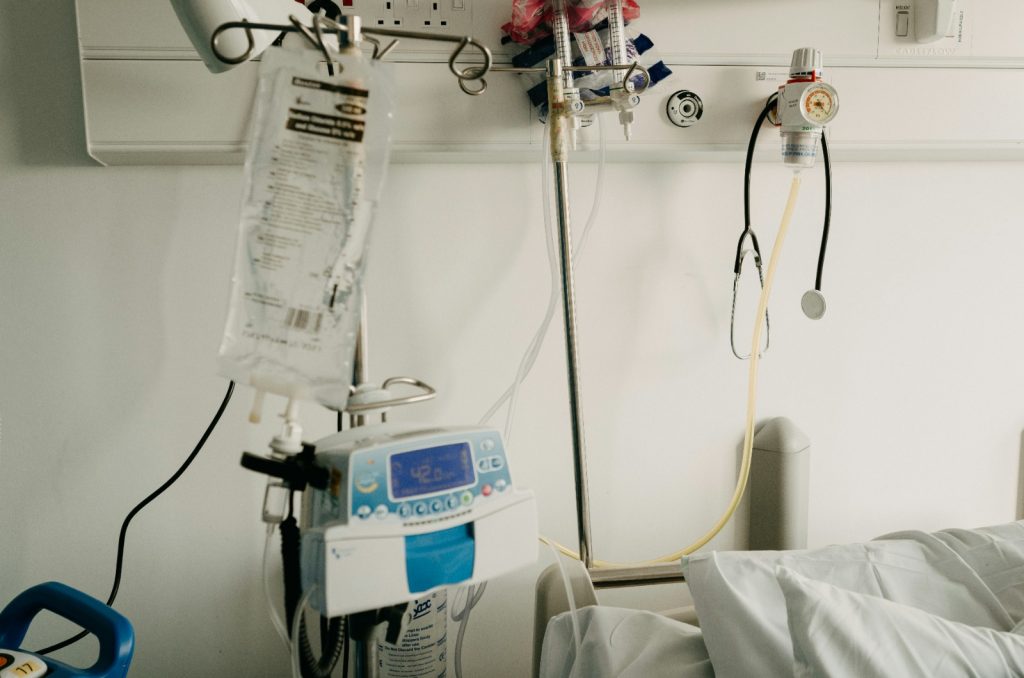
For Nigerians living with advanced kidney disease, dialysis is more than a medical procedure. It is a recurring lifeline—one that patients may depend on several times a week to remain stable and continue with their daily lives.
Yet access to the treatment remains a major challenge for many patients, with the cost of dialysis and limited availability of specialised equipment placing significant pressure on individuals, families and public healthcare facilities.
Against this backdrop, His Love Foundation has strengthened renal-care capacity at the University of Benin Teaching Hospital (UBTH) with the donation of three complete sets of dialysis machines.
The equipment was delivered to the hospital in Benin City on September 2, 2026, as part of a healthcare intervention by Pastor Enoch Adeboye and his wife, Pastor Folu Adeboye, through His Love Foundation, the global Christian Social Responsibility arm of the Redeemed Christian Church of God (RCCG).
The intervention is expected to expand UBTH’s capacity to provide dialysis treatment and support patients requiring specialised care for kidney-related conditions.
Expanding Capacity Where It Matters
The addition of three dialysis machines comes at a time when the demand for renal-care services continues to place pressure on healthcare facilities.
Dialysis patients require consistent access to treatment, making the availability of functioning machines critical to the continuity of care.
For a major teaching hospital such as UBTH, strengthening equipment capacity can help the institution serve more patients while complementing existing government investment in specialised healthcare.
The hospital’s Chief Medical Director, Prof. Idia Ize-Iyamu, described the intervention as a significant contribution to healthcare delivery and said it would complement government efforts in the sector.
That public-private partnership is increasingly important as healthcare institutions contend with competing demands for infrastructure, equipment, personnel and other resources.
Putting Patients at the Centre of Healthcare CSR
The intervention also highlights an important dimension of corporate and philanthropic responsibility in healthcare: investing in infrastructure that continues to serve people beyond the day of donation.
Unlike a one-off medical outreach, dialysis equipment becomes part of a hospital’s permanent service capacity.
Its impact can therefore extend to patients who may never know the names of the individuals or organisations responsible for providing the equipment.
For someone battling kidney disease, the significance is straightforward.
A functional dialysis machine can mean another available treatment slot, greater capacity within a hospital and an additional opportunity to receive care without having to search for another facility.
For families supporting loved ones with renal conditions, increased access can also mean one less barrier in an already difficult healthcare journey.
Building on Long-Term Healthcare Support
The UBTH intervention forms part of a wider healthcare focus by His Love Foundation, which has supported healthcare initiatives including dialysis centres and intensive-care infrastructure in different parts of the country.
This broader approach demonstrates how faith-based philanthropy can complement public healthcare systems by directing resources towards areas where specialised services require additional support.
However, the sustainability of such interventions ultimately depends on what happens after equipment is delivered.
Dialysis machines require regular maintenance, trained personnel, reliable supporting infrastructure and medical consumables to remain useful.
Ensuring these elements are available will therefore be critical to translating the donation into lasting patient outcomes.
More Than Machines
The human value of the intervention extends beyond the equipment itself.
Kidney disease can place considerable financial and emotional pressure on households. Patients may have to balance repeated treatment with employment, family responsibilities and the rising cost of healthcare.
Additional capacity at a public teaching hospital can help strengthen the healthcare system’s ability to respond to those needs.
It also reinforces an important principle for healthcare-focused CSR: the most meaningful interventions are those that strengthen the systems through which people receive care.
By supporting UBTH’s renal-care capacity, His Love Foundation is contributing to an existing public healthcare structure rather than creating a parallel service. That creates the potential for the intervention to benefit a wider pool of patients over time.
The Impact Will Be Measured in Patients
The real measure of the donation will ultimately be found beyond the presentation ceremony. It will be seen in the number of additional patients able to receive treatment, the reliability of renal-care services and the extent to which the machines remain operational over the years.
For UBTH, the three machines represent additional capacity. For healthcare workers, they provide more resources with which to deliver specialised treatment. But for patients living with kidney disease, the significance is more personal. It is the possibility of accessing a treatment that keeps them going.
And in a healthcare system where specialised treatment remains out of reach for many Nigerians, strengthening that possibility is an important form of social impact.
[give_form id="20698"]