Climate Change Is Becoming a Global Health Emergency: Why Governments and Businesses Must Act Now
 ONYINYECHI NWAIGBA

The climate crisis is no longer just an environmental concern. It is increasingly becoming a public health emergency, with rising temperatures, extreme weather events, air pollution, drought and flooding placing growing pressure on human health, livelihoods and healthcare systems across the world.
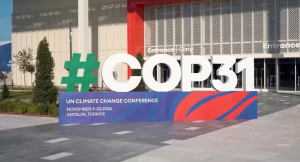
This warning has gained renewed urgency following statements by global climate and health leaders at the 31st United Nations Climate Change Conference (COP31) in Antalya, Türkiye, where the climate emergency was described as a global health crisis of pandemic proportions.
The warning comes as the World Meteorological Organization (WMO), in its State of the Climate Update 2026 released on November 9, confirmed that the past 12 years have been the warmest on record, with 2023 to 2026 ranking as the four warmest years.
According to the WMO, the global average temperature between January and September 2026 was approximately 1.47°C above the pre-industrial average. The organization also warned that a developing El Niño event could intensify extreme weather risks into 2027.
For climate-vulnerable countries, particularly across Africa, the implications are significant. Beyond rising temperatures, climate change is affecting food production, water availability, economic productivity, public infrastructure and the ability of communities to access essential healthcare.
Climate Change Is Now a Public Health Concern
The health consequences of climate change are becoming increasingly difficult to ignore.
Extreme heat can cause heat exhaustion, heatstroke, dehydration and cardiovascular complications, particularly among older people, children, outdoor workers and people living with existing vulnerabilities.
Flooding can contaminate drinking water, damage sanitation infrastructure and increase the risk of waterborne diseases. Changing rainfall patterns and rising temperatures can also influence the spread of infectious diseases, including malaria and dengue fever.
Drought and prolonged heat can worsen food insecurity, malnutrition and water scarcity, creating additional pressures on already vulnerable households.
The 2026 Lancet Countdown on Health and Climate Change, produced by an international collaboration of researchers and institutions in strategic partnership with the World Health Organization (WHO), reinforces these concerns.
The report found that annual average heat-related deaths increased by nearly 36 per cent in the years following the adoption of the Paris Agreement compared with the preceding decade. It also estimated that heat was associated with approximately 710,000 deaths globally in 2023.
The evidence points to an important reality: climate change is not a distant environmental threat. It is already affecting lives, livelihoods and the resilience of communities.
Why Nigeria and Africa Cannot Afford to Look Away
For Nigeria and other African countries, the climate-health connection deserves urgent attention.
Across the continent, communities face multiple climate-related vulnerabilities, including extreme heat, flooding, drought, food insecurity, changing disease patterns and inadequate access to resilient public infrastructure.
In Nigeria, the effects of changing weather conditions have implications for farmers, traders, transport workers, construction workers, informal-sector employees and households that depend on reliable access to electricity, water and healthcare.
Rising temperatures can make outdoor work increasingly difficult, reduce labor productivity and increase health risks for people whose jobs expose them to prolonged sunlight.
Flooding also presents significant public health and economic challenges, particularly where drainage systems, waste management infrastructure and access to clean water are inadequate.
These challenges are not exclusively the responsibility of government. Businesses operating in climate-sensitive sectors must also recognize that environmental risks can quickly become social and economic risks.
For organisations whose operations depend on agriculture, energy, manufacturing, transportation, construction and financial services, climate resilience is increasingly essential to business continuity and long-term sustainability.
The Corporate Responsibility Question: What Must Businesses Do?
For the corporate sector, the growing climate-health emergency raises an important question: what responsibility do businesses have in protecting people and communities from climate-related risks?
Corporate social responsibility should go beyond donations, sponsorship, occasional community outreach and environmental campaigns. It must increasingly reflect how organisations conduct their operations, manage environmental impacts, protect employees and contribute to the resilience of the communities in which they operate.
There are several areas where businesses can demonstrate meaningful responsibility.
1. Reduce greenhouse gas emissions
Companies must strengthen efforts to measure and reduce their carbon footprints through energy efficiency, cleaner production processes, renewable energy adoption and responsible resource management.
Businesses with significant emissions should establish credible reduction targets and report transparently on their progress.
2. Protect employees from climate-related risks
Employers should assess workplace exposure to extreme heat, improve ventilation, provide access to drinking water, introduce appropriate rest arrangements and strengthen occupational health and safety policies.
Outdoor workers, construction employees, agricultural workers and transport personnel deserve particular attention.
3. Invest in climate-resilient communities
Companies can support community-based adaptation initiatives, including access to clean water, improved sanitation, tree planting, flood-risk reduction, environmental education and sustainable agricultural practices.
Such investments should respond to genuine community needs rather than serve merely as publicity activities.
4. Strengthen sustainable supply chains
Businesses should examine how climate change affects their suppliers, farmers, logistics networks and distribution systems.
Supporting climate-smart agriculture, responsible sourcing and resilient local supply chains can help protect livelihoods while reducing operational disruptions.
5. Make sustainability reporting more accountable
Environmental, Social and Governance (ESG) reporting should clearly communicate how companies identify climate risks, reduce emissions, protect workers and contribute to environmental and social outcomes.
Stakeholders increasingly need evidence of measurable progress, not simply sustainability promises.
Governments Must Put Health at the Centre of Climate Policy
While businesses have an important role to play, governments remain central to addressing the climate-health emergency.
Climate considerations must be integrated into public health planning, urban development, environmental regulation, energy policy, agricultural programmes and disaster preparedness.
For Nigeria, this means strengthening the capacity of healthcare facilities to respond to heat-related illnesses and climate-sensitive diseases, improving early-warning systems, investing in reliable water and sanitation infrastructure, and developing effective responses to flooding and other extreme weather events.
Public health institutions should also work more closely with meteorological agencies, environmental authorities and emergency management organisations to anticipate and respond to climate-related health threats.
Equally important is the need to expand access to reliable electricity and cleaner energy alternatives. Healthcare facilities cannot remain resilient if power disruptions compromise essential medical services, refrigeration, diagnostics and emergency care.
Climate adaptation financing must also reach vulnerable communities, local governments and institutions responsible for delivering essential services.
Climate Action Is Also an Investment in Human Wellbeing
One important message emerging from the 2026 Lancet Countdown report is that climate action can deliver immediate health benefits.
Cleaner energy can reduce exposure to harmful air pollution. Better urban planning can encourage healthier environments. Climate-resilient healthcare infrastructure can protect essential services during extreme weather events.
Investments in renewable energy, efficient public transportation, sustainable agriculture and improved waste management can therefore generate environmental, economic and public health benefits simultaneously.
This is an important consideration for businesses and investors.
Sustainability should not be viewed merely as a compliance obligation or reputational exercise. It is increasingly connected to business resilience, workforce productivity, supply-chain security, financial stability and the long-term wellbeing of society.
A Call for Greater Corporate and Institutional Accountability
As world leaders deliberate on climate action at COP31, the growing health consequences of climate change should reinforce the urgency of moving beyond commitments to measurable implementation.
Governments must strengthen climate policies and invest in resilient public infrastructure. Businesses must reduce their environmental footprints and protect the people affected by their operations. Financial institutions must support credible climate adaptation and low-carbon investments. Civil society and communities must also have meaningful opportunities to participate in decisions that affect their environmental and health security.
For CSR practitioners, sustainability professionals and corporate leaders, the message is clear: environmental responsibility and social responsibility can no longer be treated as separate conversations.
A company cannot credibly claim to be socially responsible while ignoring the environmental risks that threaten the health, livelihoods and safety of its employees and host communities.
The climate crisis is increasingly a human development crisis, an economic resilience challenge and a corporate responsibility issue.
The real test of responsible leadership will not be how many organisations publish sustainability statements, but how effectively they translate those commitments into actions that protect people, strengthen communities and safeguard the environment.
At CSR Reporters, we believe that responsible business must be measured not only by financial performance, but also by its contribution to people, the planet and the long-term wellbeing of society.
The time for climate commitments without meaningful action is running out.
[give_form id="20698"]