CSR Personality of the Week: Habiba Ali and the Drive to Make Energy Access Work for Communities
 csrreporters
In some rural Nigerian communities, access to electricity can determine whether a business operates reliably, a school uses computers or a health facility provides essential services. For women trying to build livelihoods, it can also determine whether a business idea becomes a source of income.
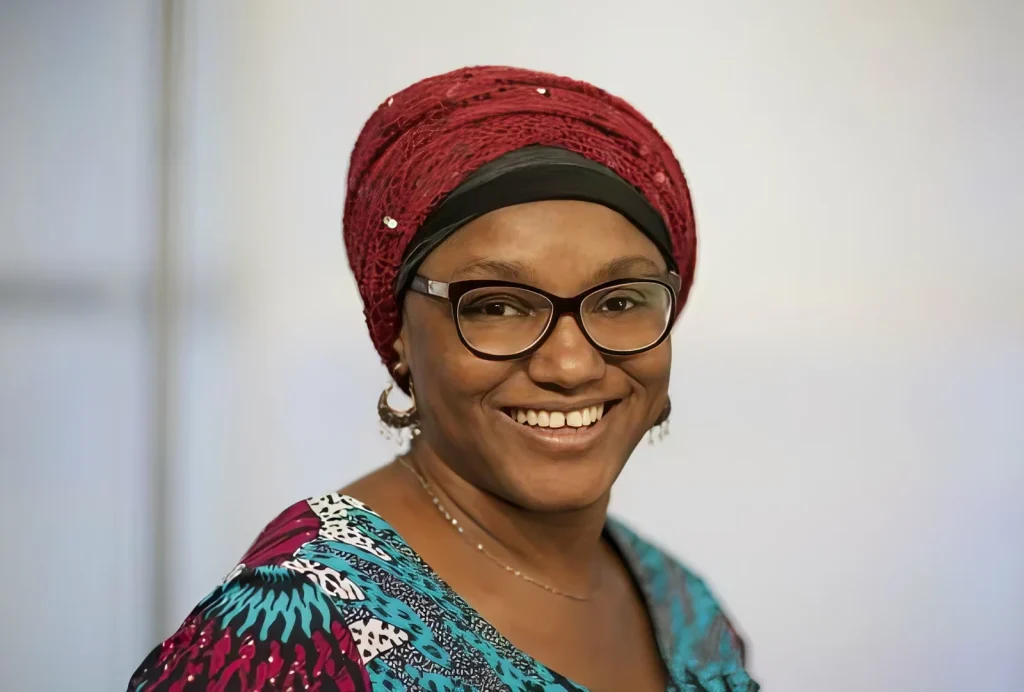
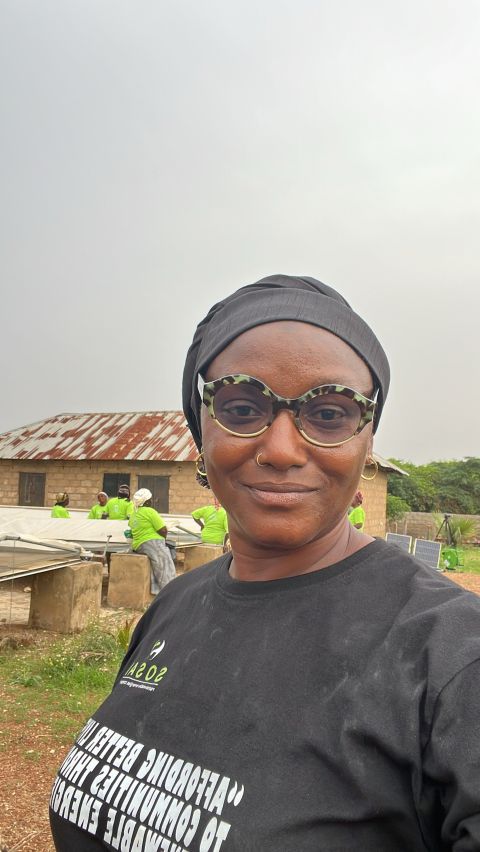
These challenges sit at the centre of Habiba Ali’s work. As founder and chief executive of SOSAI Renewable Energies, she has spent years developing solutions designed to bring cleaner energy to underserved communities, particularly in northern Nigeria.
Her work spans solar lamps, improved cookstoves, household energy systems and community mini-grids. It also connects energy access with women’s economic participation and local enterprise development.
Her journey raises an important question for businesses and investors: how can energy investments deliver measurable social and environmental benefits while remaining commercially sustainable?
From Energy Access to Community Development
Ali established SOSAI Renewable Energies in 2010, drawing on her experience of the challenges families face when reliable electricity and cleaner household energy options are unavailable. Her early work focused on distributing solar lamps and improved cookstoves as alternatives to conventional lighting and cooking methods.
However, energy poverty extends beyond individual households. Communities without reliable electricity also face barriers to running businesses, processing agricultural produce, preserving food and accessing essential services.
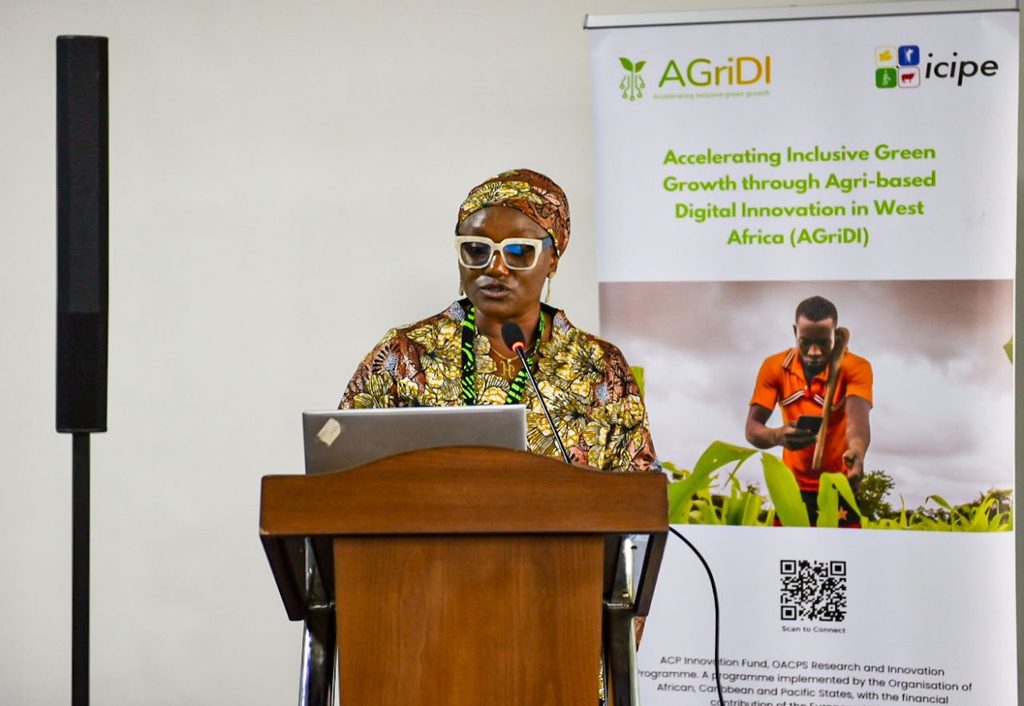
SOSAI subsequently expanded into solar mini-grids, bringing decentralised electricity to communities underserved by conventional power networks. Its Climate Smart Village approach combines energy access with technologies and activities intended to support local livelihoods, particularly those of women.
This approach reflects an important principle: energy access becomes more valuable when people can use it to improve their economic circumstances, rather than simply gain access to electricity.
When Electricity Supports Local Enterprise
The practical value of community energy infrastructure becomes clearer when its effects on daily life are considered.
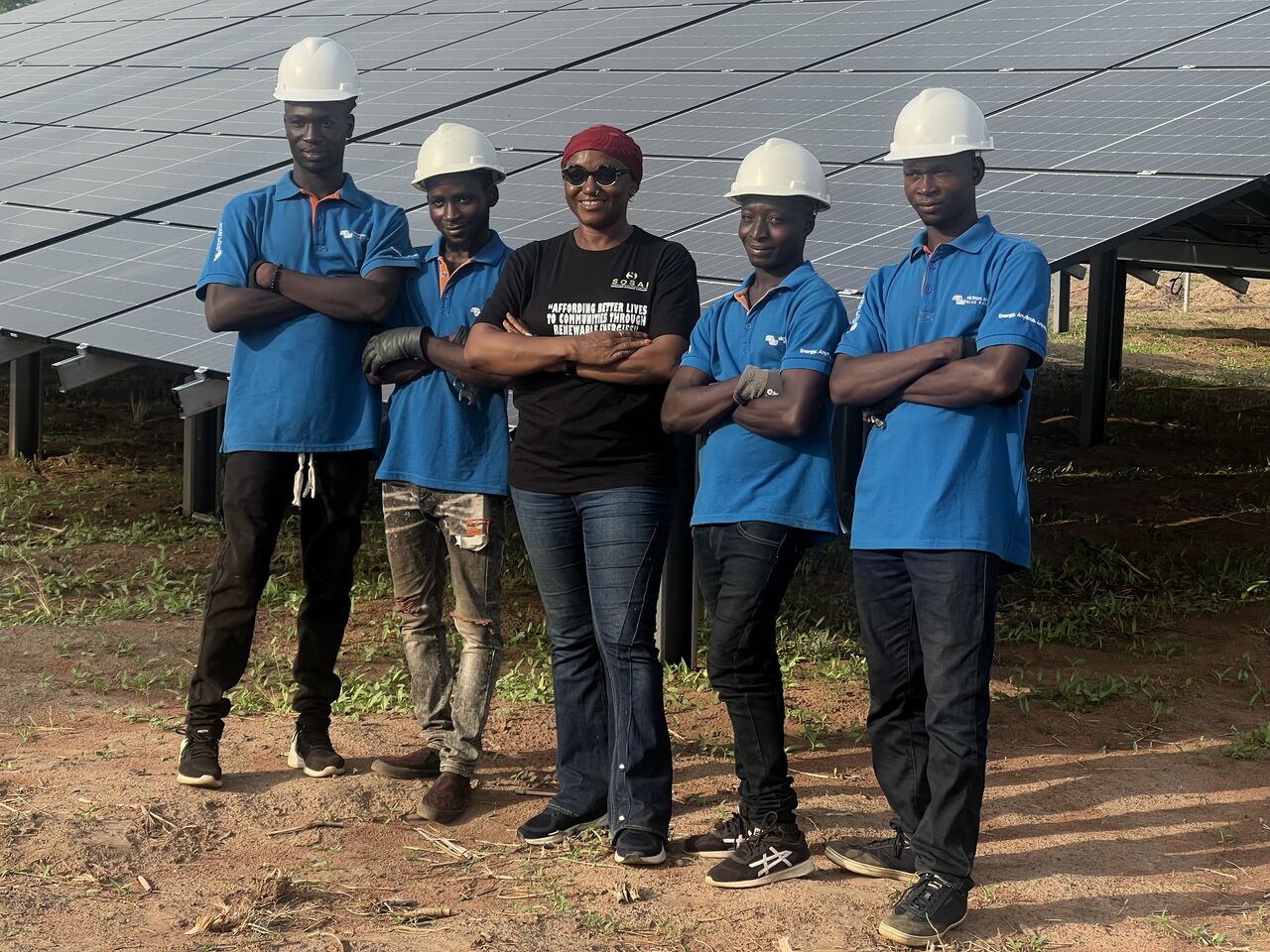
In Kalong, the Renewable Peace initiative documents how SOSAI’s solar mini-grid has supported households and local services. The project account reports that new businesses emerged, a medical diagnostic centre opened, and a local school acquired computers. Solar-powered boreholes also improved water access and sanitation.
These examples illustrate how electricity can support several aspects of community development simultaneously. For small businesses, reliable power can reduce dependence on expensive alternatives. While for agricultural producers, it can support processing and storage. For schools and health facilities, it can make equipment and services more practical to operate.
Nevertheless, installing solar infrastructure is only the beginning. Projects need appropriate technology, dependable maintenance, affordable payment arrangements and sufficient demand to sustain operations.
Consequently, the challenge for renewable energy businesses is not simply to extend access, but to develop systems communities can afford and operators can maintain over time.
Connecting Women’s Empowerment With Energy Access
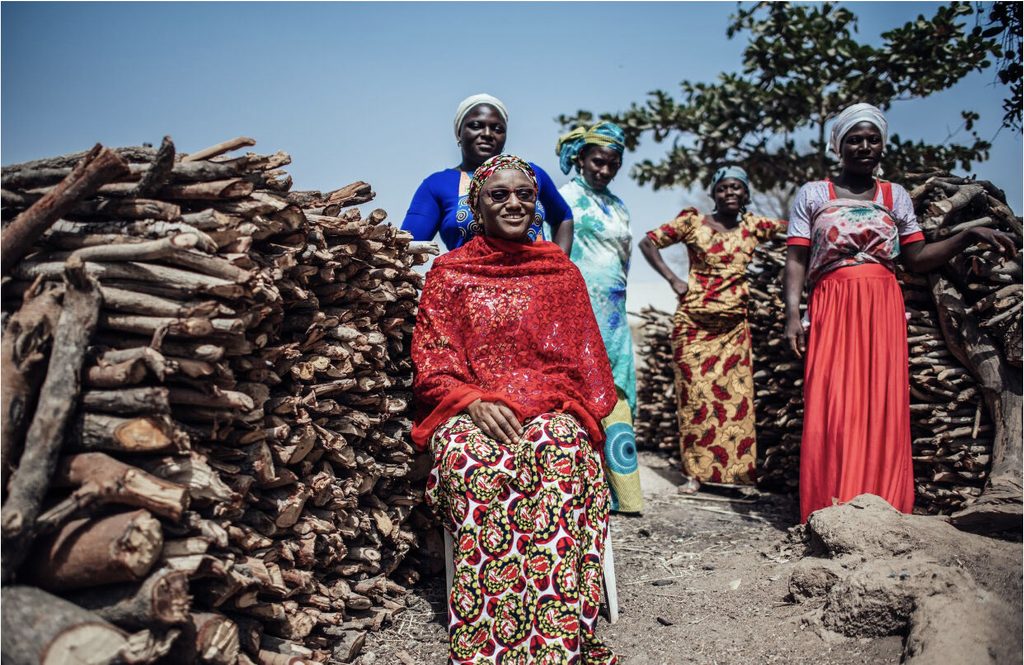
Women’s economic participation is another important part of SOSAI’s approach. In many rural communities, women face barriers to starting and expanding businesses, including limited access to finance, technology and productive infrastructure. Energy access cannot remove every obstacle, but it can address some practical constraints.
SOSAI’s approach combines affordable energy with training and financing support, while engaging communities to address barriers to women’s entrepreneurship.
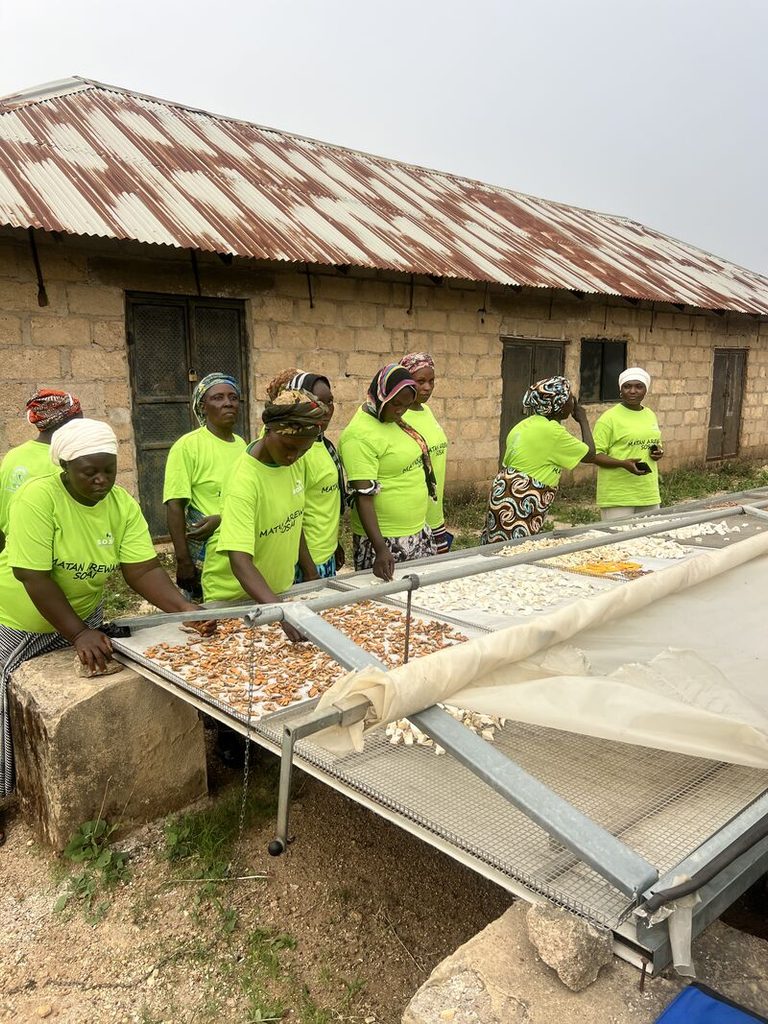
Earlier projects in Baawa and Kadabo, Kaduna State, also connected household energy access with women’s cooperatives, solar dryers and solar kiosks. Ali says that the initiative targeted energy access for 1,000 homes and contributed to economic improvements of up to 30% among women.This illustrates how energy infrastructure can become a productive asset.
For example, a solar-powered refrigerator can help a woman operating a small food business preserve products and reduce spoilage. The technology then serves a purpose beyond electricity provision: it can support income generation and economic independence.
The Business Case for Inclusive Energy Access
Providing electricity to underserved communities presents significant commercial challenges. Developers must finance infrastructure, secure customers, maintain equipment and ensure that revenue supports long-term operations.
Ali’s responsibilities at SOSAI span strategy, operations, partnerships, sales, resource mobilisation and stakeholder reporting. Her work also involves tracking cookstove sales and associated carbon reductions.
This combination of commercial management and social objectives is central to inclusive energy access. Projects must respond to genuine community needs while maintaining viable operating models.
Financing remains a major challenge. In a 2026 interview, Ali identified financing and bureaucratic delays as barriers to expanding decentralised energy projects in Nigeria. Her experience highlights an important issue for investors and development partners. Funding commitments alone do not deliver electricity. Capital must reach viable projects in time to support procurement, construction and deployment.
At the same time, responsible investment requires due diligence, transparent reporting and safeguards for communities and investors. Improving efficiency should not come at the expense of accountability.
Read Also: 76 Solar Mini-Grids Planned for Rural Nigeria Under IFC Proposal
Partnerships, Policy and Accountability
Ali’s professional experience extends beyond SOSAI. She co-founded the Developmental Association for Renewable Energies and has held roles within renewable energy associations, including the Renewable Energy Association of Nigeria and the Renewable Energy and Energy Efficiency Associations-Alliance.
She also has advisory experience with the Manufacturers Association of Nigeria and the Mainstream Foundation. These roles connect her community-level work with broader questions about industry development, policy and investment.
Her earlier role as country manager at Berkeley Air Monitoring Group, which provides independent testing services for household energy appliances, is also relevant to the question of accountability.
Businesses must demonstrate more than the number of products distributed or installations completed. They need evidence that their interventions improve access, support livelihoods and deliver credible environmental benefits.
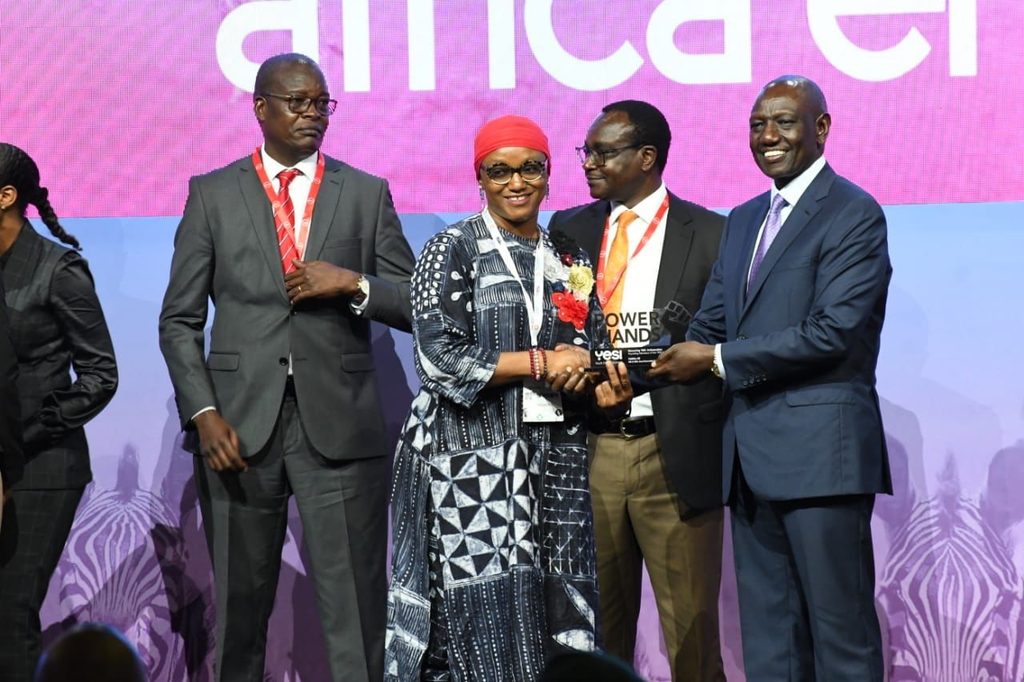
In 2025, SOSAI received the Ashden Award for Breaking Barriers (Global South) in the Energy and Women category, recognising its approach to clean energy access and women’s empowerment.
The company was also featured in Renewable Peace, an initiative of the Stanley Center for Peace and Security. Its story, Shared Power, Shared Peace in Northern Nigeria, describes how a mini-grid in Mararaba Demshin, Plateau State, provided a shared resource for the Shamfu and Mouda communities and helped create opportunities for cooperation around a longstanding land dispute. This example illustrates the wider social value energy infrastructure can support.
Beyond Installation: Measuring What Changes
Ali’s work raises a broader question for the private sector. What should count as success when businesses invest in social and environmental solutions?
The number of solar systems installed, cookstoves distributed or communities reached can demonstrate scale. However, these figures do not automatically establish whether households have reliable electricity, businesses have increased their incomes or environmental benefits have endured.
Stronger impact assessment examines whether systems remain operational, services are affordable, women gain meaningful economic opportunities and environmental claims can be substantiated.
For investors and corporate partners, this creates a responsibility to support transparent measurement, credible reporting and long-term project management.
Ultimately, making energy access work for communities requires more than good intentions. It calls for viable business models, appropriate technology, dependable partnerships and evidence that the benefits extend beyond installation.
As Nigeria pursues a more inclusive energy transition, the challenge is to ensure communities are not merely counted among project beneficiaries, but are equipped to use energy in ways that strengthen livelihoods and expand economic opportunity.
For CSR Reporters, the accountability question remains: what changes for the people who depend on these interventions, and how can those changes be sustained?
[give_form id="20698"]