CSR Personality of the Week: How Engr. Felix Omatsola Ogbe Is Turning Nigeria’s Oil Wealth Into Human Capital
 admin
admin 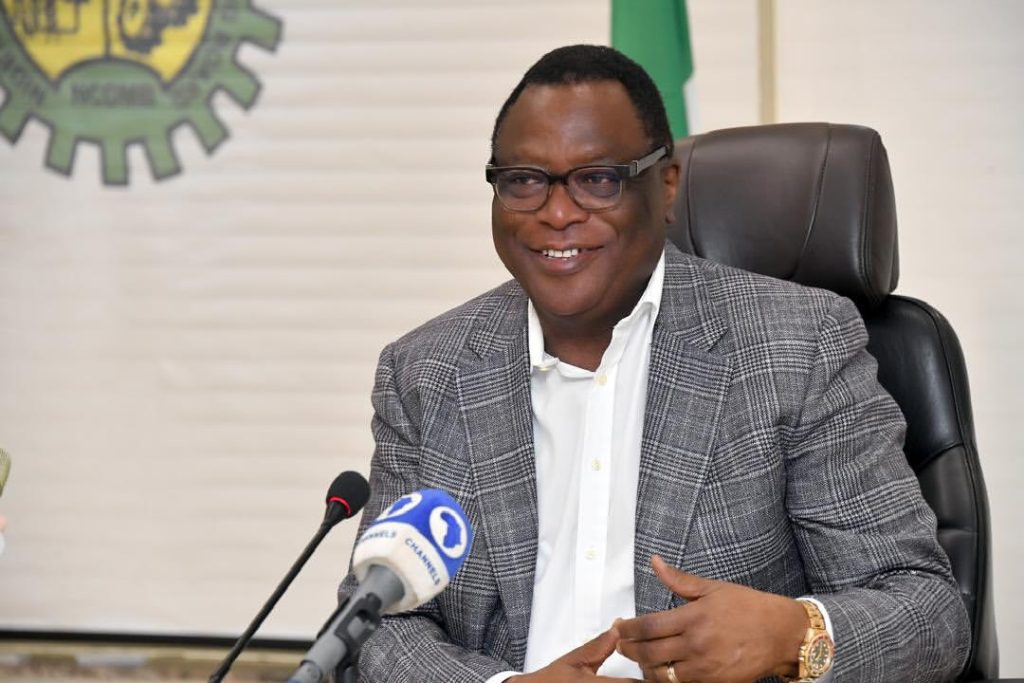
There is a particular kind of leadership that does not announce itself loudly. It shows up in the communities surrounding oil fields. In the hands of young women who have just received welding certificates. And in the classrooms of engineering students being told, for the first time, that their ideas could become prototypes and eventually products.
That is the kind of leadership Engr. Felix Omatsola Ogbe has been modelling since he assumed office as Executive Secretary of the Nigerian Content Development and Monitoring Board (NCDMB) in December 2023. In a sector often criticised for generating wealth without sufficiently redistributing it, Ogbe has been pushing hard in the opposite direction.
Under his watch, the NCDMB has become one of Nigeria’s most active institutions for human capital development, community inclusion, and social investment. All of these are tied directly to the country’s energy economy. Furthermore, his approach is not seasonal or symbolic. It is systematic, measurable, and increasingly hard to ignore.
From Engineer to Institution Builder
Before his appointment by President Bola Ahmed Tinubu, Ogbe was Managing Director of BREFEL Limited/NIMA Energy LLC. There he oversaw projects across oil and gas, medical services, and construction. He also spent 24 years in Chevron Nigeria Limited, retiring voluntarily in 2014.
His background spans civil engineering with a Master’s degree in the field, as well as a second Master of Science degree in Construction Management. He is a Fellow of the Nigerian Society of Engineers (FNSE), a registered member of the Council of Registered Engineers of Nigeria (COREN), and a member of the American Institute of Civil Engineers.
Consequently, when he arrived at the NCDMB, he did not walk in as a career bureaucrat. He came as a practitioner who had spent years working within the very industry he was now being asked to regulate and develop. That foundation has shaped how he runs the Board, pushing it toward tangible outcomes rather than procedural compliance.
At his first meeting with NCDMB’s management, Ogbe set the tone clearly. He praised the human capacity development programmes that had already produced Nigerians providing high-tech services in other African oil-producing countries.
At the same time, he announced that expert consultants would certify the Board’s 10-Year Strategic Roadmap metrics. A metric which by then had recorded 54 percent achievement in its sixth year. That kind of commitment to accountability early in a tenure reveals a great deal about character.
Training 10,000 Young Nigerians for the Energy Economy
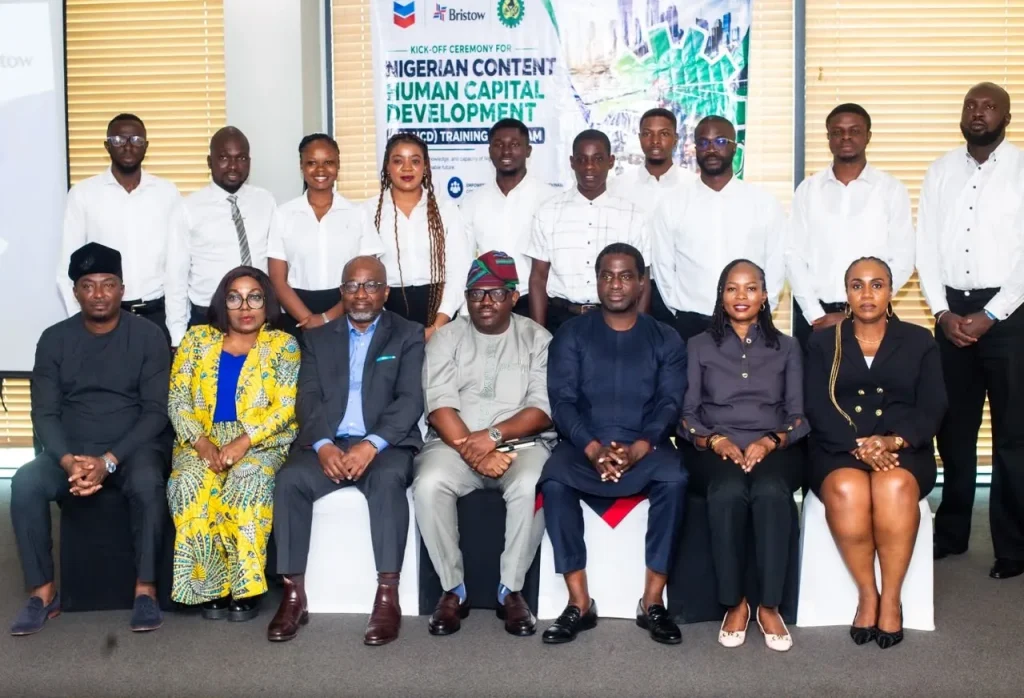
One of the most significant initiatives to emerge under Ogbe’s leadership is the Oil and Gas Field Readiness Training Programme. Announced in October 2025, the programme targets over 10,000 young Nigerian graduates and technicians for intensive industry-relevant training. It cuts across petroleum engineering, digital technology, robotics, and other high-demand specialisations.
Ogbe grounded the programme in both law and urgency. He cited Section 10(1b) of the Nigerian Oil and Gas Industry Content Development (NOGICD) Act. This act mandates that Nigerians receive first consideration for training and employment in the oil and gas work programme.
Beyond legal obligation, however, he also acknowledged an inconvenient truth about the country’s engineering pipeline. Speaking at the launch of the Nigerian Engineering Olympiad in November 2025, Ogbe disclosed that a 2023 survey found that only about five percent of Nigerian engineering graduates are industry-ready at the point of graduation.
Over 70 percent lack the hands-on technical skills required for modern industry operations. That skills deficit, he warned, has real consequences. A shortage of competent local engineers, excessive reliance on expatriates, and an accelerating brain drain.
The Field Readiness Training Programme is designed to directly address those gaps. Selected participants receive monthly stipends, health insurance, personal protective equipment, hands-on training, and industry certifications. The training runs between two and three years, with a focus on high-demand technical fields.
For many young Nigerians in oil-producing regions, this is not simply a training programme. It is a career pathway that previously did not exist. The programme began training of Pilots this June.
Multiple Initiatives
In addition to that flagship programme, the NCDMB in 2026 launched a vocational training initiative across field locations. It is equipping youths with skills in tailoring, catering, digital marketing, financial literacy, solar panel installation, and business development.
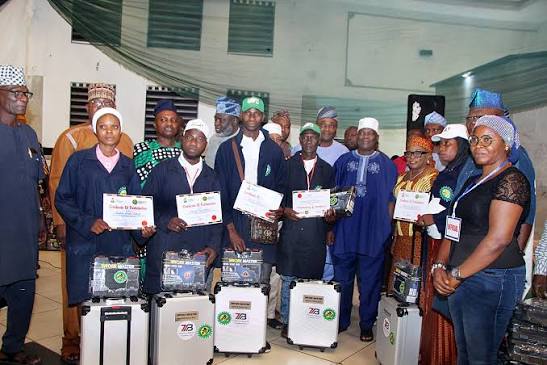
As recently as May 2026, 250 graduates completed a capacity-building programme in Lagos. They were trained in practical, income-generating skills and equipped with starter packs to begin practice immediately. The message embedded in those starter packs matters. The Board was not simply giving people knowledge. It was removing the barrier between knowledge and livelihood.
The Nigerian Engineering Olympiad: Nurturing the Next Generation
Beyond vocational training, Ogbe has championed a longer-term bet on Nigerian ingenuity. In November 2025, the NCDMB partnered with Renaissance Africa Energy and First Exploration and Petroleum Development Company Limited to launch the Nigerian Engineering Olympiad (NEO). This is a nationwide competition for final-year and postgraduate engineering students.
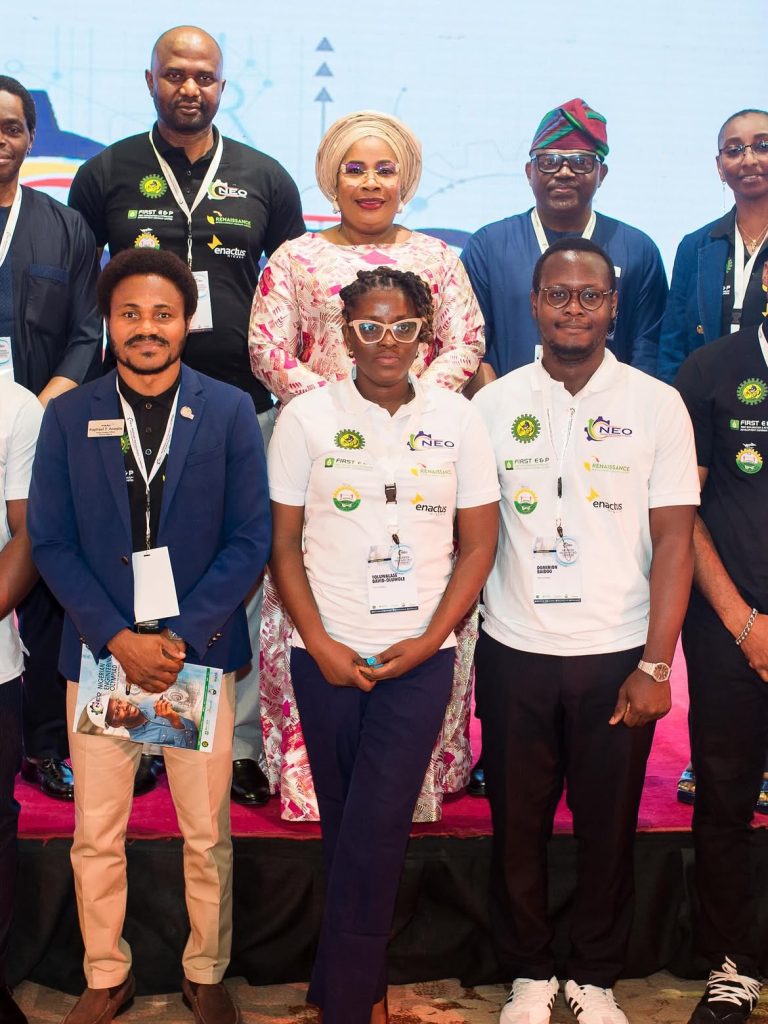
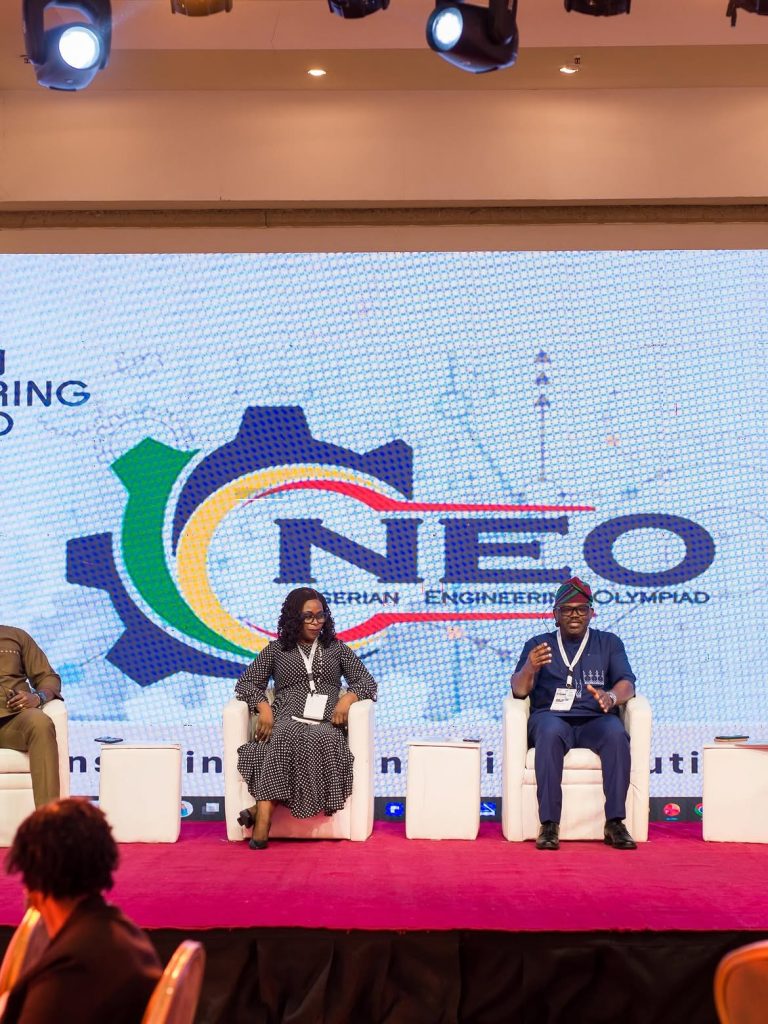
The Olympiad, championed by Enactus Nigeria with the Nigerian Society of Engineers as a key partner, challenges students to develop engineering solutions to real societal problems. Rather than a simple competition, it is structured as an innovation pipeline. Regional contests lead to prototype bootcamps, then semi-finals, and ultimately a national grand finale. Teams receive mentorship, seed funding, and intellectual property guidance as they move through the stages.
These are the kind of structures that will keep producing outcomes long after any individual administration ends.
Women’s Inclusion as Economic Strategy
Perhaps the most telling sign of how Ogbe approaches social responsibility is his framing of women’s empowerment. At the 3rd edition of the Diversity Sector Working Group’s Women in Oil and Gas Conference in March 2026, he rejected the idea that inclusion is merely a moral responsibility. He described it instead as an economic imperative.
“Inclusive organisations are more innovative, more resilient and more profitable,” he said at the conference. “When women thrive, industries thrive. When women lead, economies grow. And when women are empowered, communities prosper.”
Those words were backed by action. Under Ogbe’s leadership, the NCDMB has expanded the Women in Oil and Gas Intervention Fund. This is a $20 million initiative established in partnership with the Nigerian Export-Import Bank. The fund provides single-digit interest rate loans with repayment tenors of up to three years. It targets women-owned businesses with active oil and gas contracts. A complementary intervention, implemented with the Bank of Industry, provides structured business training and additional access to capital for women-owned enterprises.
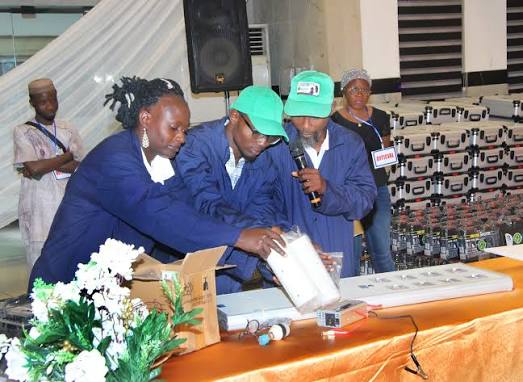
The results are already visible in fabrication yards. Women trained in welding and fabrication under NCDMB-sponsored programmes, delivered in collaboration with the Petroleum Training Institute and industrial training centres in Rivers and Bayelsa states, are now employed directly on major oil and gas projects. As Ogbe put it at the conference, “these women are not only earning dignified livelihoods but are also breaking stereotypes and inspiring a new generation.”
Building Safe Communities: Security and Infrastructure
Social responsibility, for Ogbe, extends into community safety as well. In May 2026, the NCDMB donated critical operational equipment to the Bayelsa State Police Command, including a customised patrol and reserve thermal imaging drone, 100 bulletproof helmets, 100 bulletproof vests, and 100 Motorola walkie-talkies. The NCDMB’s representative at the handover reinforced the Board’s position that “community policing is everybody’s business,” and that the Board’s partnership with security agencies is part of its broader commitment to protecting lives and assets in oil-producing communities.

Moreover, the NCDMB under Ogbe has maintained its advocacy for Host Community Development Trusts (HCDTs), the structures created by the Petroleum Industry Act (PIA) 2021 to channel three percent of upstream operators’ annual operating expenditure into sustainable community development. At the Second KEFFESO HCDT Stakeholder Forum in April 2026, Ogbe’s message was clear: host communities are not charity cases. They are partners in a development model that must generate jobs, support SMEs, and address needs in education, healthcare, and infrastructure.
“For host communities, inclusive growth means that projects and programmes create pathways to jobs and sustainable livelihoods, provide space for women and youth leadership, support SMEs and local contractors to grow responsibly, and address community needs,” he stated at the forum.
ESG as a Competitive Tool, Not a Checkbox
Ogbe has also been consistent in positioning ESG not as a compliance burden but as a tool for competitiveness. At the International Conference on Hydrocarbon Science and Technology, he underlined the NCDMB’s efforts to embed Environmental, Social, and Governance standards across operations, with a goal of securing ISO certification for the Nigerian oil and gas ecosystem.
“ESG principles are critical in directing global investments, and Nigeria is keeping pace,” he said. “NCDMB is empowering local operators to compete on the international stage while adhering to world-class standards.”
That framing matters particularly now, as international capital increasingly flows toward industries and jurisdictions that can demonstrate credible ESG performance. By pushing Nigerian indigenous operators toward those standards, Ogbe is simultaneously raising the floor for social and environmental accountability. He’s expanding the pool of projects those operators can attract and win.
What Sets Ogbe Apart
Despite controversies, what distinguishes Engr. Felix Omatsola Ogbe in Nigeria’s energy landscape is not any single programme. It is the cumulative architecture of what he is building: an institution that trains, finances, protects, and equips. From 10,000 young engineers gaining industry-ready skills, to women entrepreneurs finally accessing affordable capital, to host communities learning to manage development funds with accountability and transparency, his vision of CSR is deeply intertwined with his vision of what local content should actually mean.
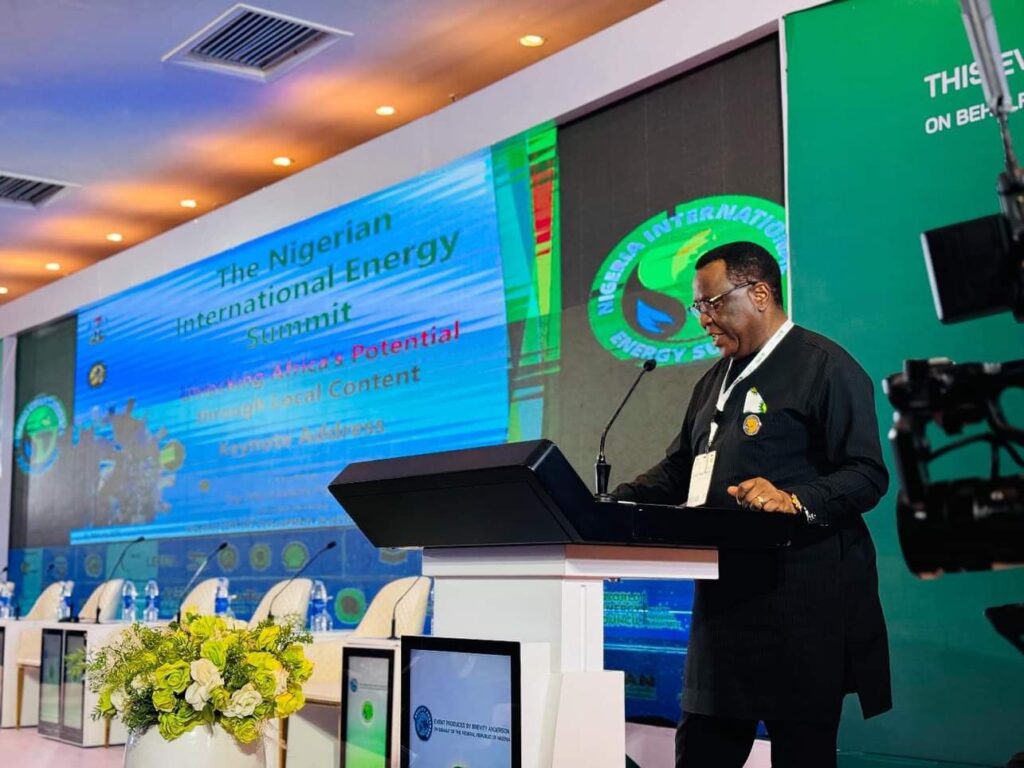
He has said before that the goal is for the NCDMB to ensure that Nigeria’s oil and gas wealth produces lasting human capacity. Not just royalties. Not just compliance certificates. But people, skills, enterprises, and communities that can hold their ground in a global energy economy that is changing fast.
Therefore, as Nigeria navigates one of the most consequential energy transitions in its history, with billions of dollars in new project investments flowing into the sector, Ogbe’s positioning of the NCDMB as a social investment institution alongside its regulatory role is not a distraction. It is the vision.
That is why Engr. Felix Omatsola Ogbe, FNSE, is the CSR Personality of this Week.
[give_form id="20698"]