ROSEMARY IMOBHIO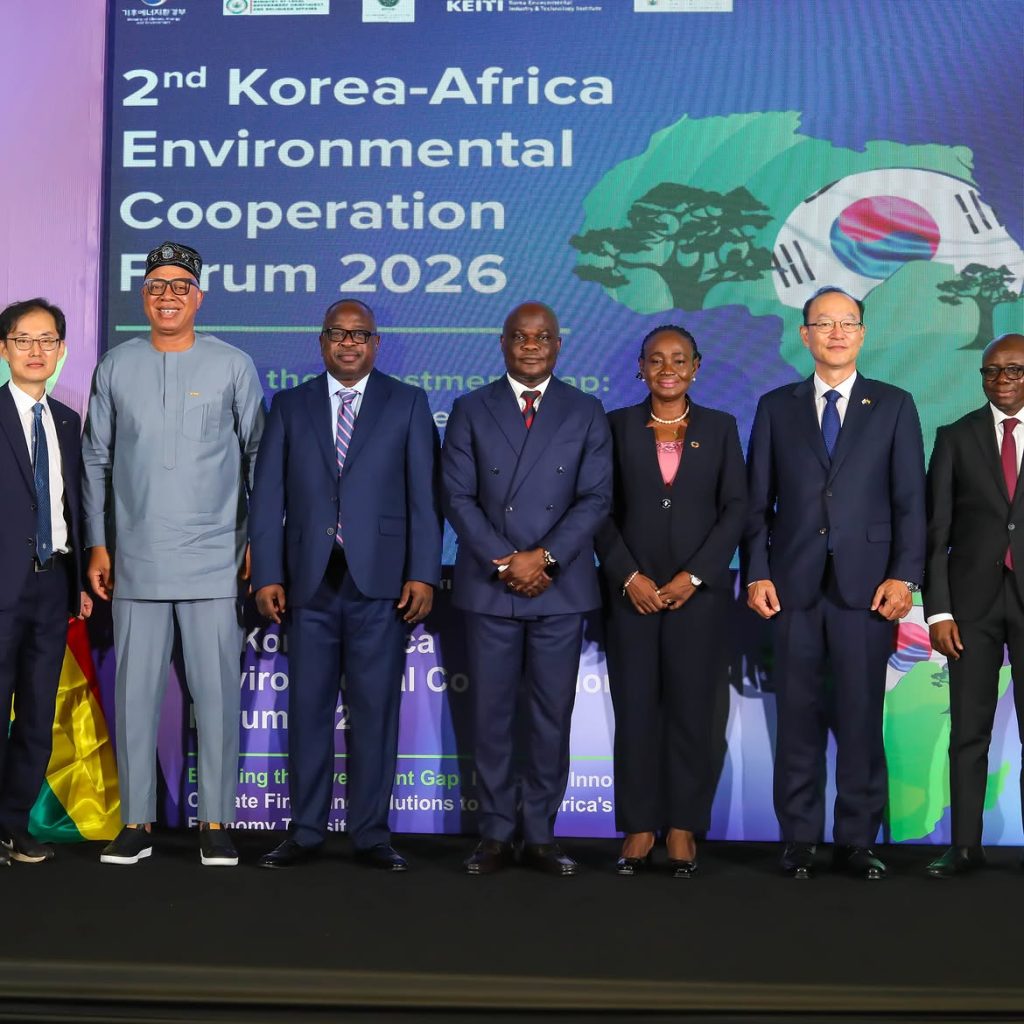
A Ghanaian minister has warned that its efforts to build climate resilience will remain under threat unless the country secures sustained investment in waste and sanitation infrastructure. This is imperative as government officials and international partners push for stronger climate finance and circular economy initiatives.
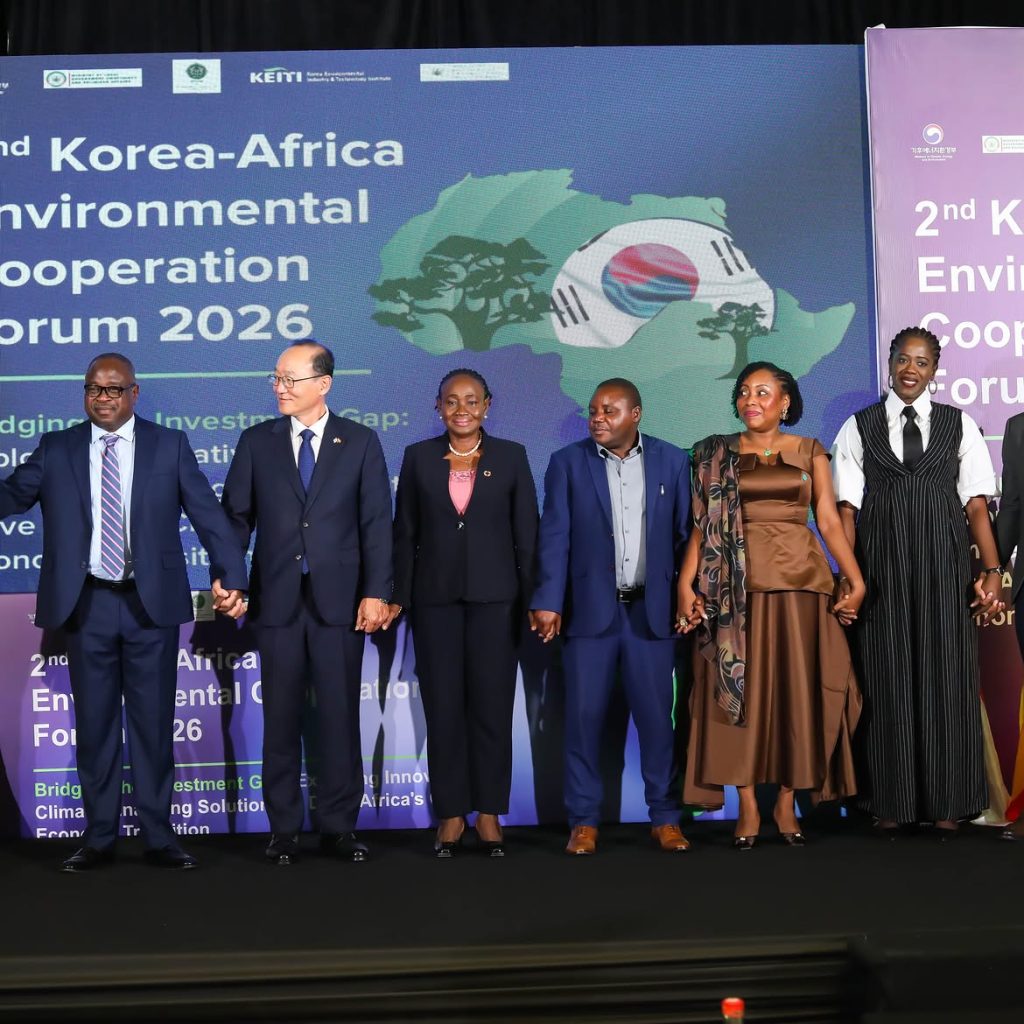
The call came during the opening of the second Korea-Africa Environmental Cooperation Forum in Accra. There policymakers, development partners, environmental experts and private sector representatives gathered to explore innovative financing models capable of accelerating Africa’s transition towards a circular economy.
Speaking at the forum, Ghana’s Minister of Local Government, Chieftaincy and Religious Affairs, Ahmed Ibrahim, described waste management as both a climate challenge and an economic opportunity. He stressed that the country must move beyond treating sanitation as a routine public service. Rather they should recognise it as a strategic investment that strengthens climate resilience, creates employment and protects public health.
The two-day forum was organised by the Korea Environmental Industry and Technology Institute (KEITI). It is themed Bridging the Investment Gap: Exploring Innovative Climate Financing Solutions to Drive Africa’s Circular Economy Transition. The event focuses on practical approaches to closing infrastructure financing gaps while promoting sustainable waste management across the continent.
Waste Challenges Demand Greater Investment
According to Ibrahim, Ghana currently generates approximately 20,000 tonnes of solid waste every day. He explained that managing such a growing volume requires far more than technical expertise because financing and institutional capacity remain major barriers.
He noted that ineffective waste management has contributed to recurring flooding in many communities. This makes climate change an immediate governance challenge rather than a distant environmental concern.
“We generate about 20,000 tonnes of solid waste every single day. Managing this growing volume of waste is not just a technical challenge. It is also a financial and institutional challenge,” he said.
At the same time, he argued that waste should be viewed as a valuable economic resource capable of supporting a thriving circular economy. According to the minister, improved waste management systems can generate employment opportunities. They can also reduce environmental pollution and improve public health outcomes while helping Ghana adapt to increasing climate risks.
His comments reflect growing concern across Africa over the rising costs of climate-related disasters. Recent reports from international organisations continue to show that poor waste management contributes significantly to greenhouse gas emissions. It does this through methane released from unmanaged landfills. Blocked drainage systems from the same issue worsen urban flooding during heavy rainfall.
Flood Losses Highlight Climate Risks
Ibrahim revealed that Ghana lost an estimated 195 million US dollars to climate-related hazards in 2020 alone. He said those losses demonstrate why investment in resilient infrastructure should become a national priority. Rather than waiting to respond after disasters occur, he urged governments and investors to finance preventive infrastructure that reduces long-term economic losses.
“Waste is not waste,” he said. “We can create employment through waste. If you do not invest in managing waste today, you will spend much more dealing with floods and their consequences tomorrow.”
His remarks come as several African countries continue to experience increasingly severe flooding linked to extreme weather events. Scientists have consistently warned that climate change is increasing the frequency and intensity of heavy rainfall across parts of West Africa. This is also placing additional pressure on already stretched urban infrastructure. Recent assessments by international climate agencies also indicate that African cities require significantly higher investment in drainage, sanitation and waste systems to improve resilience.
Government Advances National Sanitation Fund
To address the financing challenge, Ibrahim announced that the Ghanaian government is progressing plans for a National Sanitation Fund. It is designed to provide predictable and sustainable financing for waste infrastructure. The proposed fund will combine public resources, private investment and support from development partners.
According to the minister, the blended financing model will help deliver critical infrastructure. These include sanitary landfills, transfer stations, recycling facilities and modern waste treatment plants.
He also appealed to international financial institutions to channel a larger share of climate finance directly to local governments. Billions of dollars are committed globally to climate action each year. However, frontline authorities responsible for implementing waste management projects often receive only a small portion of available funding.
Local governments, he said, require direct access to financing because they oversee many of the services that determine whether communities become more resilient to climate change.
Ghana Looks to South Korea for Partnership
The minister highlighted South Korea as an important development partner whose environmental transformation offers valuable lessons for Ghana. He pointed to Korea’s success in restoring degraded landscapes and improving environmental management over recent decades as evidence that long-term investment and effective policies can deliver measurable results. “If Ghana wants to fight climate change, the best country to partner with is the Republic of South Korea,” Ibrahim said.
The forum itself reflects expanding cooperation between Ghana and South Korea on environmental technology, sustainable infrastructure and circular economy initiatives.
Climate Crisis Requires Shared Global Action
South Korean Ambassador to Ghana, Park Kyongsig, described climate change as a shared international challenge that affects countries regardless of their level of development. He noted that floods, extreme weather and environmental degradation are becoming more common worldwide, making international cooperation increasingly important.
Park encouraged African countries to learn from South Korea’s industrial journey, including the environmental mistakes made during periods of rapid economic growth. Rather than repeating those experiences, he said African nations have the opportunity to pursue cleaner and more sustainable development pathways through technology transfer and stronger partnerships.
Meanwhile, Hong Seok Kim, Chief Representative of KEITI in Ghana, reaffirmed his organisation’s commitment to supporting Ghana’s environmental transition. He explained that KEITI works to promote Korean environmental technologies while supporting policies that encourage circular economy practices.
According to him, waste remains a significant contributor to global greenhouse gas emissions. Therefore, stronger recycling systems and policies such as Extended Producer Responsibility can play an important role in reducing carbon emissions. They can also create new economic opportunities. He described the partnership between Ghana and South Korea as a practical model for green industrial development and low-carbon economic growth.
Blended Finance Seen as Path Forward
Also addressing participants, Ghana’s Minister of State responsible for Climate Change and Sustainability, Seidu Issifu, said Africa’s transition to a greener economy continues to face a widening investment gap. He observed that climate-related disasters, including floods, are increasing pressure on governments already dealing with infrastructure deficits and limited public resources.
As a result, he called for stronger collaboration between governments, development finance institutions and private investors to unlock blended finance solutions.
Issifu stressed that investors should support projects capable of delivering both climate adaptation and economic development outcomes. He also encouraged stakeholders to design bankable climate projects that integrate waste management, resilient infrastructure and sustainable economic transformation.
His comments align with broader international efforts to expand climate finance for developing countries. Discussions at recent global climate meetings have increasingly focused on mobilising private capital, reducing investment risks and ensuring that vulnerable nations gain greater access to financing for adaptation and resilience projects.
As Ghana advances its sanitation financing plans, officials believe stronger partnerships and innovative funding mechanisms could help transform waste from an environmental burden into a driver of economic growth and climate resilience.
[give_form id="20698"]