CSR PERSONALITY OF THE WEEK: Zouera Youssoufou Is Reshaping African Corporate Philanthropy
 csrreporters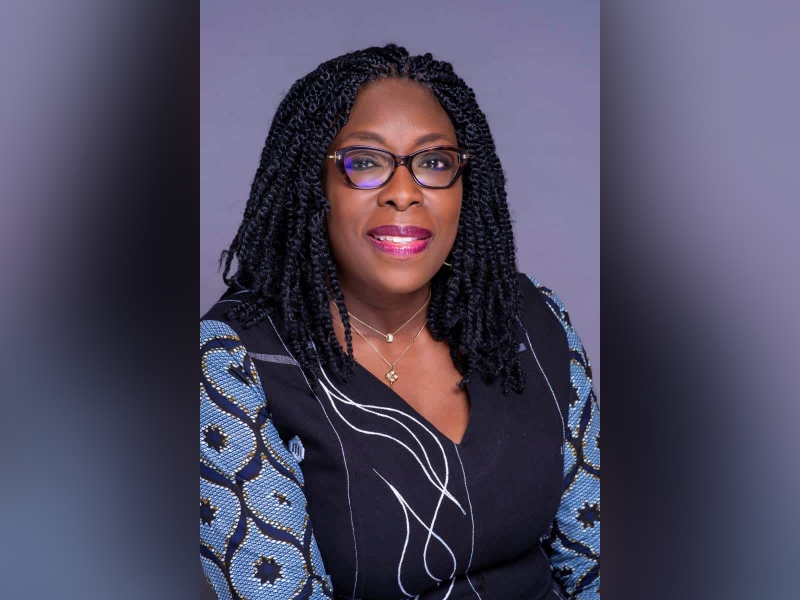
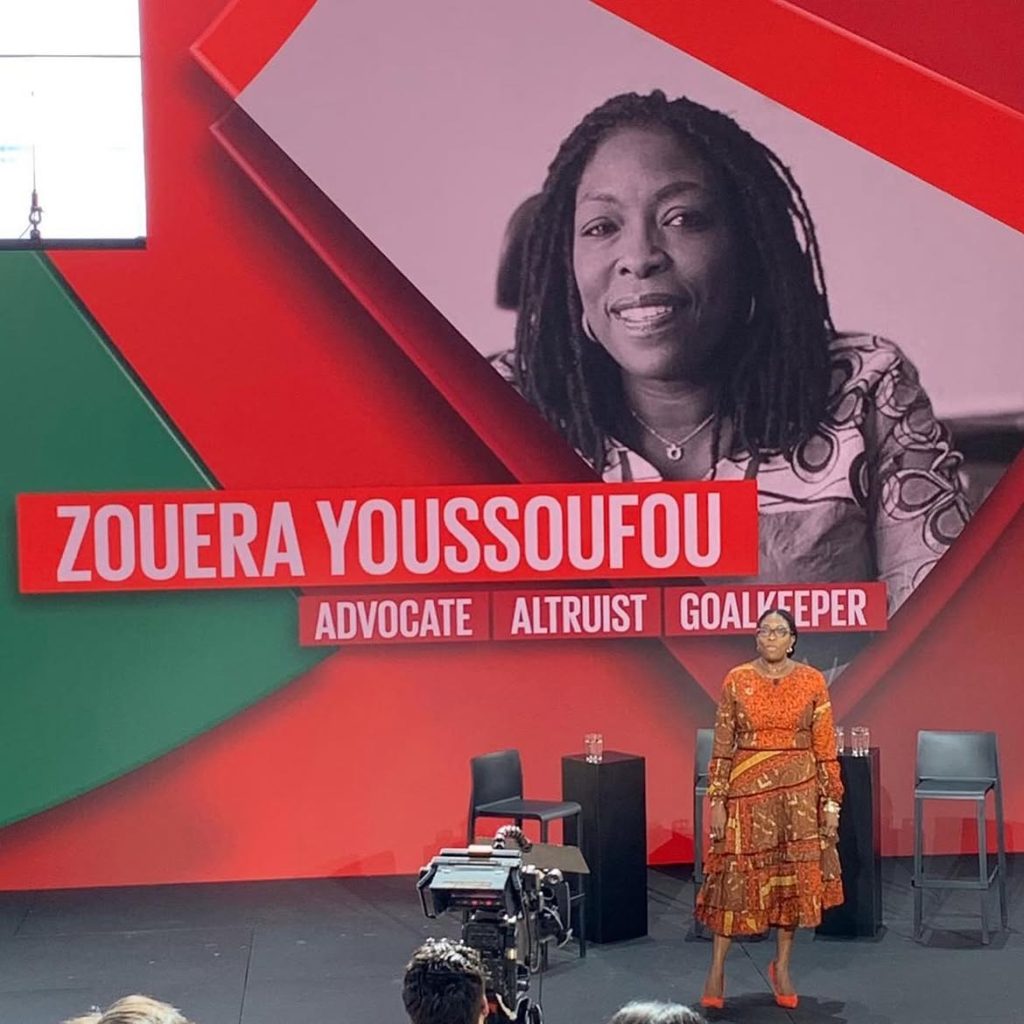
Zouera Youssoufou runs the largest private foundation in sub-Saharan Africa. Yet she rarely seeks the spotlight for it.
As Managing Director and CEO of the Aliko Dangote Foundation, she oversees a $1.25 billion endowment. Her portfolio touches millions of lives across Nigeria and the wider continent.
Today, Nigerian households face high food prices and real economic strain. Her foundation has become one of the most consistent private responses to that hardship. So this week, CSR Reporters turns its spotlight on a woman whose impact is felt in classrooms, clinics, and communities across Nigeria.
A Career Built on Development Economics
Before she led ADF, Youssoufou spent a decade inside the World Bank Group. That experience built the technical grounding that now shapes her approach to philanthropy. She joined the institution in 2005 after working as an equity research analyst at Citigroup’s Smith Barney unit. There, she covered emerging markets from New York and Atlanta.
At the International Finance Corporation, she then led the Global Women in Business Program. The role placed her at the center of efforts to expand access to finance for women entrepreneurs. Because that work required constant engagement with governments, she later moved into an even more direct policy role.
She became the World Bank’s Country Manager for Gabon, Equatorial Guinea, and Sao Tome and Principe. In that role, she conducted daily dialogue with governments, donors, and civil society.
Her earlier career also included private sector work with the European Union. She also spent time in management consulting with Deloitte in Ghana. Meanwhile, she earned an MBA in Finance from New York University’s Stern School of Business. She holds a BBA in Marketing from the University of Massachusetts Amherst as well. Fluent in English, French, Spanish, and Hausa, she brought rare financial rigor and cross-border fluency into her next chapter.
Leading Africa’s Largest Private Foundation
When Youssoufou joined the Aliko Dangote Foundation, she inherited an organization already known for large-scale work. That work spans health, nutrition, education, and economic empowerment. Since then, she has provided the management oversight that keeps those programs running.
She also sits on the boards of Women’s World Banking and the Private Sector Health Alliance of Nigeria. In addition, she serves the ONE Global Leadership Circle and the International Institute for Sustainable Development. As a result, her influence extends well past the foundation’s own offices.
Under her watch, ADF spends an average of thirty-five million dollars a year on its programs. Those programs cluster around five priorities: health, education, empowerment, disaster relief, and food security.
Notably, the foundation is currently mid-way through a hundred-million-dollar program. Its goal is treating children who suffer from severe malnutrition. Because malnutrition often intersects with poverty and weak health systems, ADF designs interventions to strengthen local systems. It rarely delivers aid in isolation.
This systemic approach has become one of the clearest markers of her leadership style.
Feeding Families Through Economic Strain
This year, as food prices climbed across Nigeria, ADF renewed its National Food Intervention Programme. The programme distributed more than one million bags of rice to vulnerable households nationwide.
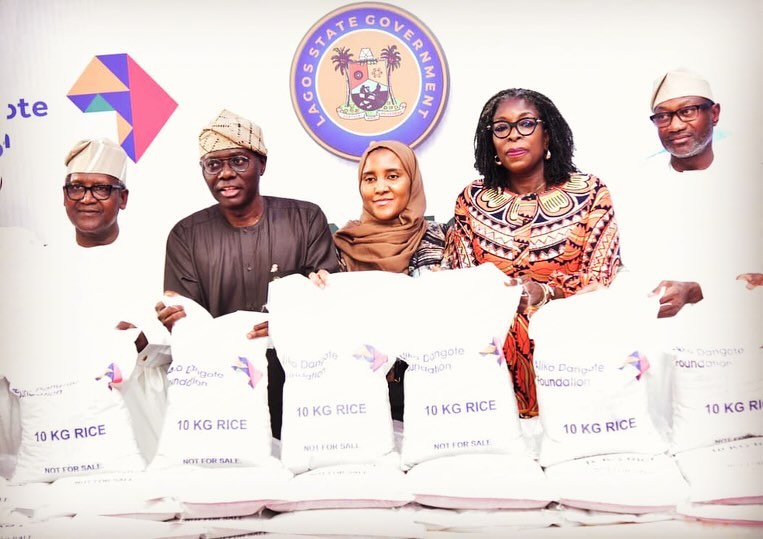
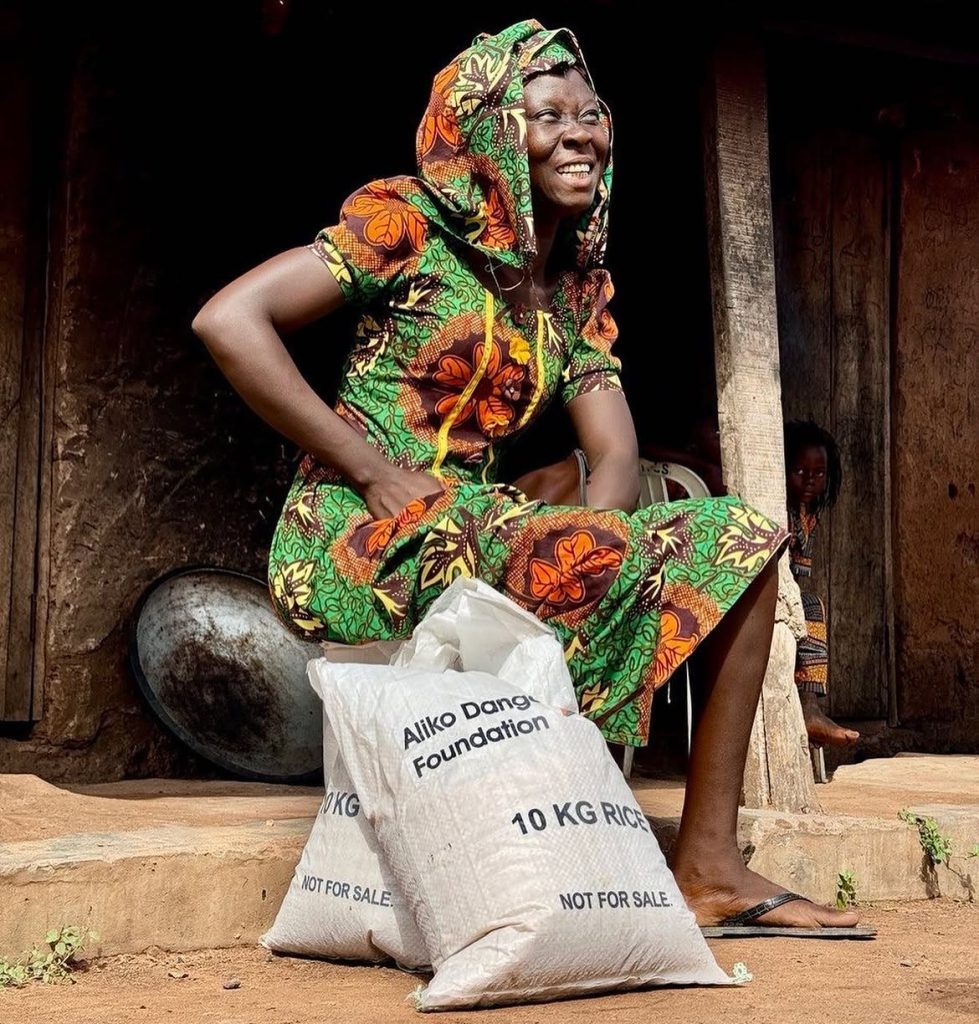
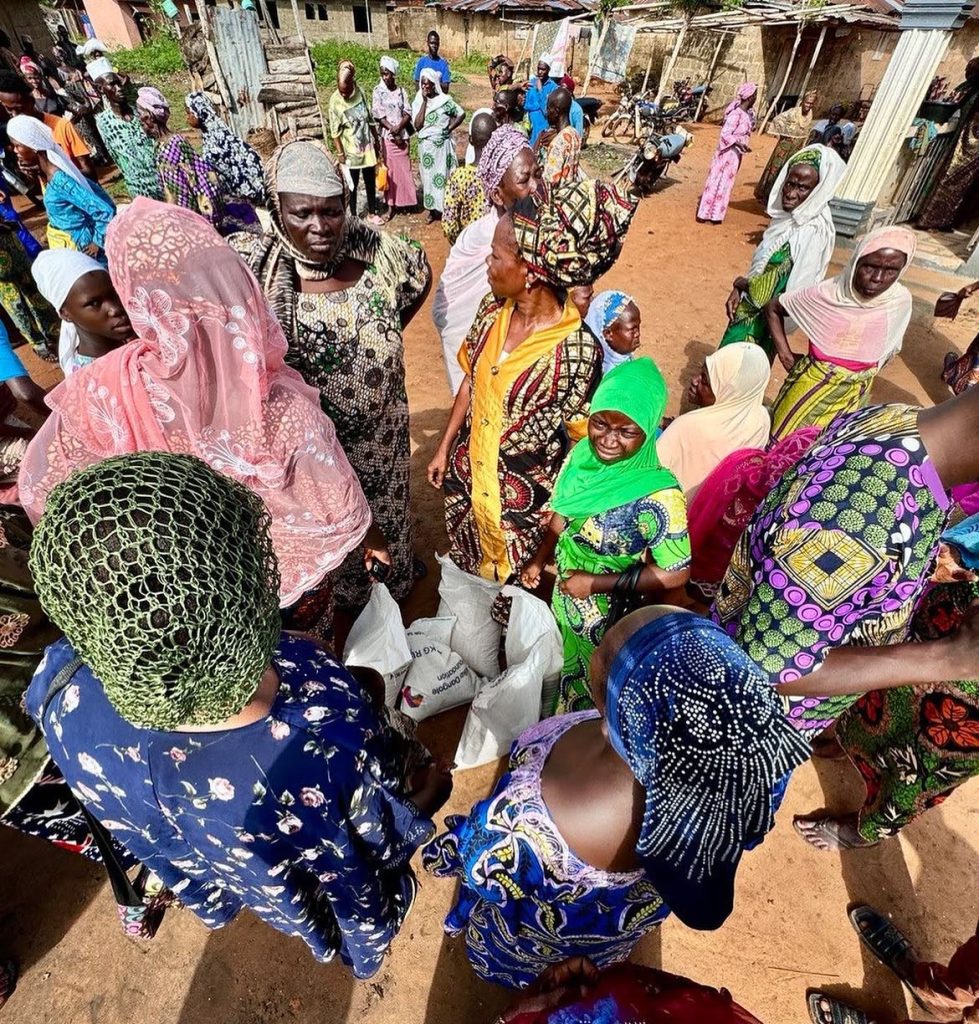
In June 2026, thousands of ten-kilogram bags reached host communities near Dangote Cement’s plants in Ibese and Itori, Ogun State. Elderly residents and low-income families were prioritized first. Speaking through the foundation’s Head of Operations, Victor Ejiro, Youssoufou explained the intervention’s purpose. It was designed to provide immediate relief to households grappling with high food prices, she said. She added that the foundation remained mindful of the economic realities many Nigerians face.
The rice distribution has since become an annual fixture. Yet it sits alongside a broader food security strategy that ADF has pursued for years. Similarly, the foundation has continued expanding its education support in host communities.
In February 2026, ADF partnered with Dangote Petroleum Refinery and Dangote Fertiliser Limited on a school supply drive. Together, they distributed uniforms, bags, sandals, and writing materials to more than three thousand pupils. The distribution reached Ibeju Lekki, Lagos State, and included children with special needs.
Scholarships also went to 443 students, including thirty-three at tertiary institutions. Youssoufou described education as the most powerful tool for transforming lives and communities.
Building Global Partnerships for Impact
Beyond Nigeria’s borders, Youssoufou has worked to position ADF within a wider network of global institutions. In May 2026, she led a delegation to the Islamic Development Bank’s headquarters in Jeddah. There, she met Vice President Dr. Rami Ahmad to explore a formal partnership.
During the visit, she highlighted the foundation’s impact across health, education, and empowerment. Meanwhile, IsDB officials pointed to debt challenges constraining investment across many member countries. Consequently, both sides signaled interest in a partnership that could extend ADF’s model.
That outward-facing strategy builds on a legacy that predates her tenure. Still, she has continued to expand it steadily. In 2013, ADF partnered with the Bill and Melinda Gates Foundation on polio eradication. Northern Nigerian state governments joined that effort too, strengthening routine immunization nationwide. I even extended to neighboring countries.
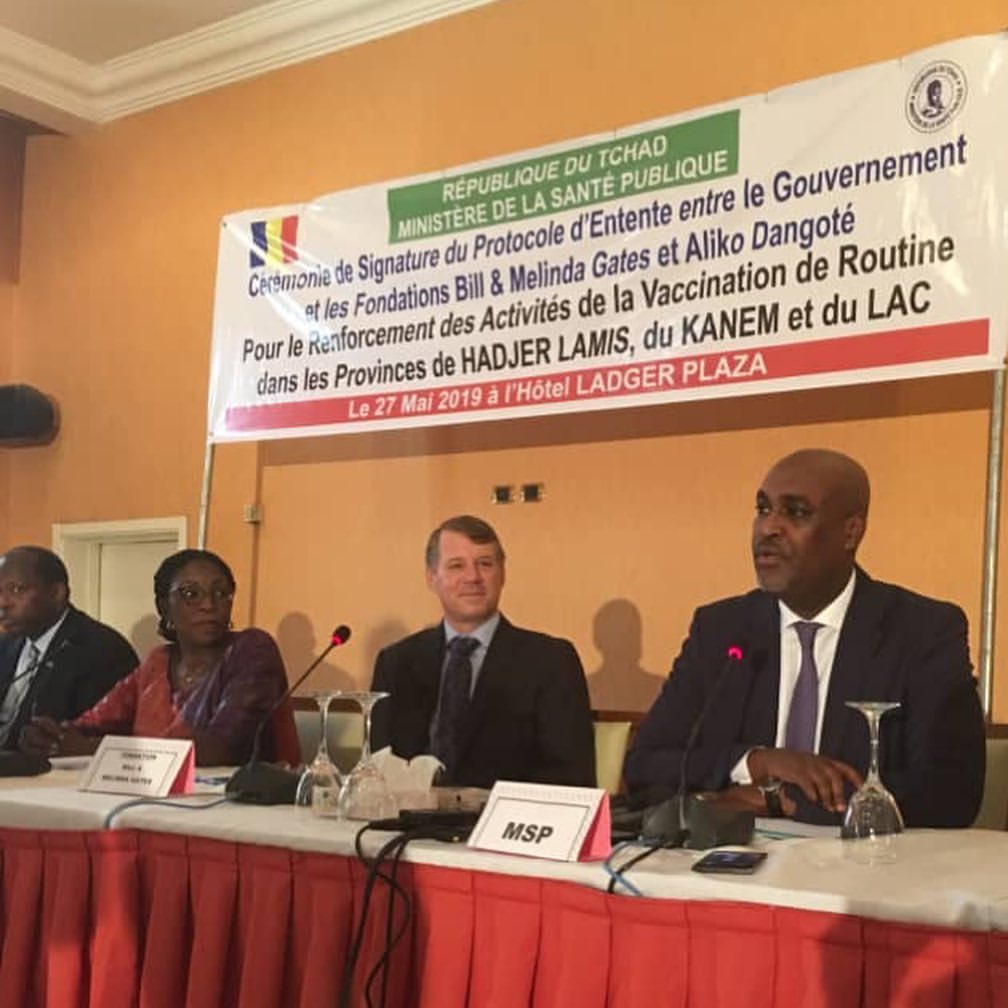
The collaboration helped Nigeria achieve polio-free status by 2015. Because that partnership proved the value of coordinated philanthropy, Youssoufou has since applied the same model elsewhere. She has extended it to malnutrition, water and sanitation, and vocational training. In each case, she has favored programs that build lasting local capacity.
A Foundation Built for the Next Decade
Youssoufou often frames ADF’s work in systemic terms rather than one-off charity. She has spoken about strengthening local health systems, not simply funding treatment for individual children. This distinction matters because malnutrition, weak water access, and poor sanitation tend to reinforce one another in the same communities.
Consequently, ADF’s programs are designed to address several of these problems together instead of one at a time. That approach requires patience, since systemic change rarely produces dramatic results within a single budget cycle.
Her financial background also shapes how the foundation measures success. Because she came from equity research and development banking, Youssoufou tends to favor data-driven targets over broad promises.
The foundation’s aim to directly reach a million households through community-based malnutrition management reflects that discipline. So does its multi-year, hundred-million-dollar nutrition program, which sets specific treatment goals rather than open-ended commitments.
Nigeria’s population continues to grow quickly, and food insecurity remains a persistent risk. As a result, ADF’s leadership has signaled that its food and nutrition programs will likely expand rather than wind down in the coming years.
Recognition and the Road Ahead
Aliko Dangote’s spot on TIME’s 2025 Philanthropy 100 list drew fresh attention to the foundation. Youssoufou runs it day to day, even though the recognition centered on its founder. Still, the honor reflected years of steady program delivery under her management.
That record spans malnutrition treatment and disaster relief alike. In 2022, Women’s World Banking appointed her to its board. The organization cited her expertise in sustainable development, entrepreneurship, and African markets. Her appointment, it noted, would help guide the bank’s expansion into new markets.
For Youssoufou, the work continues largely out of public view. It is measured less in headlines than in bags of rice delivered and children treated for malnutrition. Pupils supplied with school materials tell the same quiet story.
Ultimately, that consistency may be her clearest signature. Nigeria’s economic pressures persist, and her foundation keeps showing up for host communities anyway. Year after year, that has become one of the more dependable threads in the country’s private sector response to hardship.
[give_form id="20698"]