

FCMB and Mastercard Launch AgroPass to Connect Nigerian Farmers to Finance and Markets
 ONYINYECHI NWAIGBA
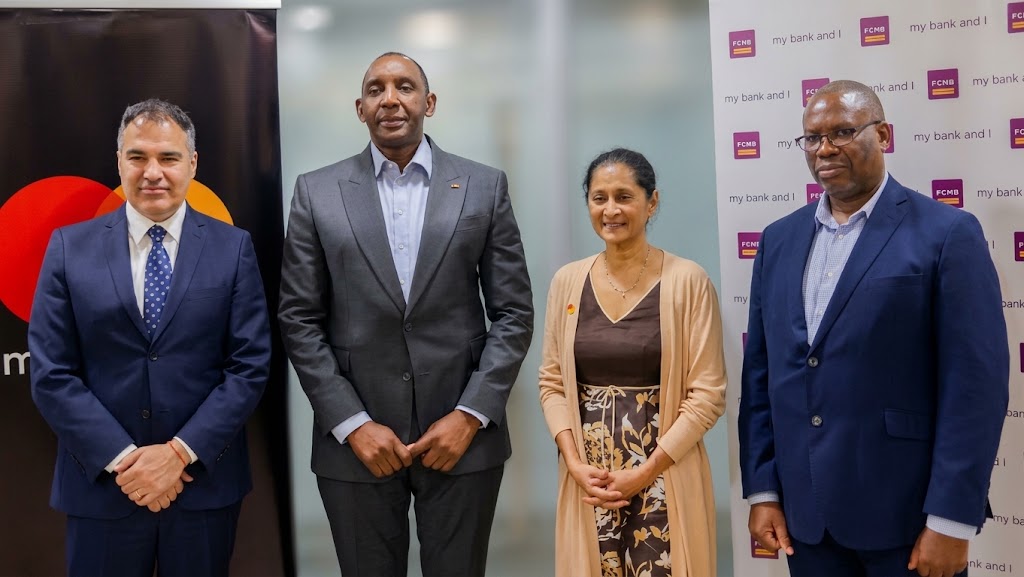
The digital platform aims to connect smallholder farmers with lenders, agricultural input suppliers and buyers. Its impact will depend on whether these connections translate into accessible financing, reliable markets and improved livelihoods for farming communities.
For many smallholder farmers in Nigeria, producing a good harvest is only part of the challenge. Finding affordable financing before planting, accessing quality agricultural inputs and securing buyers willing to pay fair prices can be just as difficult.
These challenges can limit how much farmers produce, how far they can expand their businesses and how much they earn from their work.
First City Monument Bank (FCMB) and Mastercard are seeking to address some of these barriers through AgroPass, a digital platform designed to connect smallholder farmers with lenders, agricultural input suppliers, buyers, agribusinesses and other participants in Nigeria’s agricultural value chain.
The platform was launched in Lagos on October 15, 2026, combining Mastercard’s digital technology capabilities with FCMB’s banking network and experience in agricultural financing.
The initiative is intended to improve farmers’ access to financial services, agricultural supplies and market opportunities while strengthening connections between different businesses across the agricultural sector.
However, the significance of AgroPass will extend beyond the launch itself. Its real value will depend on whether farmers can use the platform to overcome the practical challenges that affect their productivity, income and ability to grow.
Why access to finance remains important for farmers
Agriculture plays a significant role in Nigeria’s economy and supports livelihoods across rural communities. Yet many smallholder farmers continue to face difficulties obtaining affordable credit, purchasing quality inputs and reaching dependable markets.
Agricultural production often requires money before any income is generated. Farmers may need to pay for land preparation, seeds, fertiliser, labour, equipment and transportation before harvesting their crops.
When financing is unavailable or too expensive, farmers may cultivate smaller areas, delay purchasing essential inputs or struggle to adopt better farming methods. These limitations can affect productivity and make it harder to respond to changing market conditions.
Access to finance is therefore an important part of agricultural development. But credit alone cannot solve every problem.
A farmer who receives financing but cannot obtain suitable inputs or find a reliable buyer may still struggle to repay a loan. Similarly, a farmer with access to quality seeds may be unable to increase production without sufficient working capital.
This is why AgroPass is designed to connect farmers with several types of services and market participants rather than focusing exclusively on lending.
By bringing these connections into a digital platform, the initiative aims to make it easier for farmers to identify and engage with the businesses and institutions they need to operate more effectively.
How AgroPass is designed to work
AgroPass was developed by Mastercard to connect farmers with participants across the agricultural value chain, including lenders, input suppliers, buyers and agribusinesses.
The platform is intended to create digital connections that can help farmers find services and commercial opportunities while improving coordination among the businesses that support agricultural production.
For example, a farmer seeking financing could potentially use the platform to connect with relevant financial service providers. A farmer looking for agricultural inputs could connect with suppliers, while those seeking buyers could use the platform to explore commercial relationships.
These connections could help reduce some of the difficulties associated with finding services and navigating a fragmented agricultural market.
The platform is also designed to improve the visibility and transparency of agricultural transactions and provide digital tools to support farmers’ businesses.
However, being connected to a lender does not automatically mean a farmer will receive a loan. Access to financing will still depend on the participating institutions, their eligibility requirements and the terms they offer.
Likewise, a connection to a potential buyer does not guarantee a sale or a favourable price. The quality of the relationships established through the platform, the availability of services and the willingness of participants to transact will all influence its effectiveness.
AgroPass should therefore be understood as an attempt to improve access and connections across the value chain, rather than a guarantee of financing, increased earnings or market access for every participating farmer.
FCMB’s agricultural financing provides context
The launch comes against the backdrop of FCMB’s existing agricultural financing activities.
At the launch, the bank disclosed that it provided more than ₦364.6 billion in financing to Nigeria’s agricultural sector in 2025, supporting over 196,000 smallholder farmers nationwide. According to the bank, nearly half of these beneficiaries were women and young people.
These figures provide context for the bank’s involvement in agricultural development, but they should not be interpreted as results achieved through AgroPass. The financing and beneficiaries cited relate to the bank’s 2025 agricultural activities, before the platform’s launch.
FCMB has also adopted a value-chain financing approach that extends support beyond individual farmers to include input suppliers, seed companies, processors, distributors and exporters.
This broader approach recognises that agricultural businesses depend on one another. Farmers need inputs and buyers, processors need reliable supplies, and distributors and exporters require products that meet market requirements.
When financing and business relationships work together, there may be opportunities to improve production, strengthen supply chains and support economic activity in farming communities.
AgroPass is intended to build on this wider approach by creating digital connections among participants who may otherwise find it difficult to identify and engage with one another.
What could the platform mean for women and young farmers?
The participation of women and young people in FCMB’s agricultural financing activities is particularly relevant to discussions about inclusive economic growth.
Women play important roles across agricultural production, processing and trading, while young people have opportunities to participate in farming, agricultural technology, logistics and other businesses connected to food production.
However, the ability to take advantage of these opportunities can be constrained by limited access to capital, business networks, information and productive resources.
A digital platform that improves connections to lenders, suppliers and buyers could help address some of these barriers.
For a young agricultural entrepreneur, better access to suppliers and potential customers could support the development of a small agribusiness. For a woman operating a farming or processing business, access to relevant financial services and stronger buyer relationships could create additional opportunities to grow.
These outcomes are not automatic, however. The platform’s design and implementation will need to account for the practical circumstances of farmers who have limited internet access, low digital literacy or difficulty meeting lenders’ requirements.
If AgroPass is to contribute meaningfully to financial inclusion, its benefits must extend to farmers who face the greatest barriers to accessing services, not only those who are already well connected.
The challenges AgroPass must overcome
Digital platforms can make information and services easier to access, but they cannot independently resolve every structural problem facing Nigerian agriculture.
One important consideration is connectivity. Farmers in areas with unreliable internet access or limited access to suitable devices may find it difficult to use digital services consistently. Clear onboarding, accessible interfaces and appropriate support could help reduce these barriers.
Affordability is another concern. Even when a platform provides access to lenders, farmers must still be able to meet the terms of available financing. Interest rates, repayment schedules, collateral requirements and seasonal income patterns can influence whether credit is useful or financially burdensome.
The availability of actual buyers and suppliers also matters. A platform can create connections, but those connections must lead to reliable supplies, genuine purchasing opportunities and transactions that work for farmers and businesses.
Trust will be important as well. Farmers need to understand how their information is used, what services are available and whether the organisations they encounter through the platform are credible. Transparent terms and appropriate safeguards for personal and financial information will be essential to building confidence.
These issues make implementation as important as the technology itself. The platform will need active participation from farmers, lenders, buyers and service providers if it is to become a useful part of the agricultural ecosystem.
How should its impact be measured?
For a platform designed to support financial inclusion and agricultural development, the number of registered users alone would not provide a complete picture of success.
A more meaningful assessment would examine whether farmers are obtaining services and experiencing improvements in their businesses.
Relevant indicators could include the number of active farmers using the platform, the value of financing accessed through participating institutions, the number of completed transactions and the proportion of users who successfully connect with buyers or input suppliers.
It would also be useful to track participation among women, young farmers and underserved rural communities.
Over time, evaluations could examine whether participating farmers experience changes in production costs, sales, income stability and access to markets. Such assessments would need to account for other factors affecting agricultural performance, including weather, input prices, crop diseases and market conditions.
FCMB and Mastercard have not disclosed specific initial user targets, a detailed rollout timetable or measurable outcome targets for AgroPass in the launch coverage reviewed for this article.
Publishing such information would help farmers, agricultural businesses and other stakeholders assess progress and understand whether the platform is delivering on its stated objectives.
Connecting farmers to opportunity
FCMB and Mastercard’s AgroPass initiative reflects a growing interest in using digital technology to address longstanding challenges across agricultural value chains.
By connecting farmers with financial service providers, input suppliers, buyers and other businesses, the platform aims to make agricultural services and commercial opportunities more accessible.
Its potential benefits could extend beyond individual farmers to processors, distributors, input suppliers and other businesses that depend on a functioning agricultural sector.
But the platform’s success will not be determined by its launch or technology alone. It will depend on whether farmers can access and use its services, whether financing is affordable, whether buyers offer genuine opportunities and whether the resulting transactions improve agricultural businesses.
For Nigeria’s smallholder farmers, the central question remains practical: can AgroPass help them obtain the resources they need, sell their produce more reliably and build more sustainable livelihoods?
The answer will emerge through implementation and measurable results. If the platform can turn digital connections into useful services and dependable commercial relationships, it could become a valuable addition to efforts to strengthen agricultural finance and inclusive rural development.
DON’T JUST ANNOUNCE YOUR IMPACT. PROVE IT.
CSR REPORTERS helps organisations verify, assess, document and communicate the real impact of their CSR and sustainability initiatives.
Project Verification | Beneficiary Feedback | Impact Assessment | Impact Storytelling | Stakeholder Engagement
Have an initiative worth documenting? Let us verify it. Document it. Tell the story.
Talk to CSR REPORTERS
enquiries@csrreporters.com
📞 Call/WhatsApp: 0803 401 2198 | 0903 329 6374 | 0905 024 4468 | 0803 209 8499
www.csrreporters.com