ONYINYECHI NWAIGBA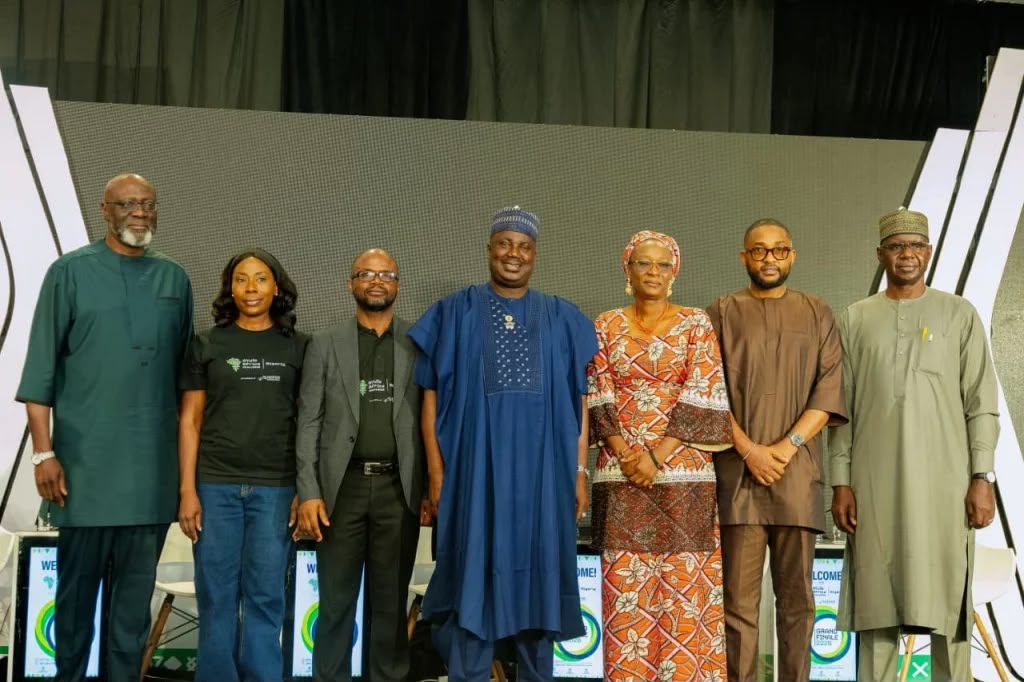
The Federal Government has reaffirmed its commitment to strengthening Nigeria’s agricultural sector by promoting equipment leasing as a practical solution to empower young agripreneurs, improve productivity and enhance national food security.
The initiative, championed through the Equipment Leasing Registration Authority (ELRA), seeks to make modern agricultural machinery more accessible to young farmers and agribusiness entrepreneurs who often struggle with the high cost of purchasing equipment outright.
The government’s position was highlighted during the Agriculture, Youth and Technology (AYuTe) Nigeria Challenge, organised by Heifer International Nigeria, where stakeholders discussed innovative financing models that can help transform agriculture and encourage greater youth participation in the sector.
The move reflects growing recognition that access to affordable agricultural equipment is critical to building resilient food systems, creating jobs and accelerating sustainable economic development.
Addressing a Major Challenge for Young Agripreneurs
Nigeria has one of the largest youth populations in Africa, with increasing numbers of young entrepreneurs showing interest in agriculture as a viable business opportunity.
However, many face significant barriers to growth, particularly the high cost of acquiring tractors, harvesters, irrigation systems, processing equipment and other essential machinery.
Without access to modern equipment, many young farmers rely on manual labour or outdated tools that limit productivity, increase production costs and reduce competitiveness.
Equipment leasing offers an alternative by allowing entrepreneurs to use modern machinery without making large upfront capital investments.
Instead of purchasing expensive equipment, agripreneurs can lease the machinery they need for specific periods, enabling them to expand production while preserving financial resources for other business needs.
This approach has the potential to reduce entry barriers for young entrepreneurs and encourage more investment in agriculture.
Why Equipment Leasing Matters
Access to finance remains one of the biggest obstacles facing agricultural businesses across Nigeria.
While many financing programmes focus on providing loans, purchasing agricultural machinery often requires significant capital that may be beyond the reach of start-ups and small businesses.
Equipment leasing provides greater flexibility by allowing businesses to access productive assets without taking on the full financial burden of ownership.
For many agripreneurs, this means they can increase production, improve efficiency and adopt modern farming practices without waiting years to accumulate enough capital to purchase equipment.
Leasing also reduces maintenance concerns in some arrangements and allows businesses to upgrade to newer technologies as agricultural practices continue to evolve.
By lowering financial barriers, leasing can help create a more inclusive agricultural economy where young entrepreneurs have better opportunities to succeed.
Empowering the Next Generation of Farmers
Youth participation is increasingly recognised as essential to the future of agriculture in Nigeria.
As older farmers retire and food demand continues to rise, attracting young people into agriculture has become a national priority.
However, many young Nigerians remain discouraged by limited access to land, finance, technology and modern farming equipment.
Supporting equipment leasing represents an important step towards making agriculture more attractive to the next generation.
Young entrepreneurs are often more willing to embrace innovation, digital technologies and climate-smart farming practices.
Providing access to modern machinery enables them to scale their businesses more efficiently while improving productivity and competitiveness.
It also creates opportunities for young people to see agriculture not merely as subsistence farming but as a profitable and sustainable enterprise.
Advancing Food Security
Improving access to agricultural equipment has implications that extend beyond individual businesses.
Higher productivity contributes to increased food production, improved supply chains and greater food availability.
As farmers become more efficient, they can cultivate larger areas, reduce post-harvest losses and improve the quality of agricultural products reaching consumers.
These improvements are particularly important as Nigeria continues efforts to strengthen domestic food production and reduce dependence on food imports.
Food security is about more than producing enough food. It also involves ensuring that food remains available, accessible and affordable for growing populations.
Policies that improve agricultural productivity therefore play a critical role in achieving long-term national food security.
Related: FG Launches AI-Powered Crop Monitoring System to Strengthen Food Security in Nigeria
Supporting Sustainable Agriculture
Modern agricultural equipment can also contribute to more sustainable farming practices.
Precision agriculture technologies, efficient irrigation systems and improved planting equipment enable farmers to optimise resource use while reducing waste.
Mechanisation can improve planting accuracy, reduce labour intensity and support better land management practices.
Combined with climate-smart agricultural approaches, access to appropriate equipment can help farmers increase yields while protecting natural resources.
As climate change continues to affect agricultural production across Africa, investing in technologies that improve resilience has become increasingly important.
Equipment leasing can make these technologies more accessible to farmers who would otherwise be unable to afford them.
The Role of Partnerships
The government’s support for equipment leasing also highlights the importance of collaboration between the public and private sectors.
Financial institutions, leasing companies, development organisations and agricultural stakeholders all have important roles to play in expanding access to productive assets.
Public-private partnerships can help develop innovative financing models that reduce risks for lenders while making equipment more affordable for entrepreneurs.
Development partners can also support capacity-building initiatives that help farmers maximise the benefits of mechanisation through training and technical assistance.
Such collaboration is essential for creating an agricultural ecosystem that supports innovation, entrepreneurship and inclusive growth.
Creating Jobs and Strengthening Rural Economies
Investing in agricultural mechanisation has benefits that extend beyond crop production.
Growing agribusinesses create employment opportunities throughout the agricultural value chain, including equipment maintenance, logistics, processing, marketing and distribution.
As more young entrepreneurs establish successful agricultural enterprises, rural communities can experience increased economic activity and improved livelihoods.
Stronger agribusinesses also contribute to local economies by creating demand for goods and services while generating income for farming households.
Supporting youth-led agriculture therefore represents an investment not only in food production but also in broader economic development.
What This Means for CSR and ESG
The government’s support for equipment leasing aligns with broader corporate sustainability and ESG priorities.
Many organisations are increasingly investing in agricultural development, youth empowerment and financial inclusion as part of their social impact strategies.
Private sector companies can complement government efforts by supporting agricultural financing, investing in mechanisation programmes, providing technical training and partnering with youth-led enterprises.
Financial institutions also have an opportunity to develop innovative leasing products tailored to the needs of smallholder farmers and emerging agribusinesses.
These initiatives contribute to shared value by strengthening local economies while promoting sustainable agricultural practices.
They also advance several United Nations Sustainable Development Goals, including SDG 2 (Zero Hunger), SDG 8 (Decent Work and Economic Growth) and SDG 9 (Industry, Innovation and Infrastructure).
Looking Ahead
Nigeria’s agricultural transformation will depend not only on policy reforms but also on practical solutions that enable farmers and agripreneurs to overcome long-standing barriers to growth.
Promoting equipment leasing offers one such solution by making modern agricultural machinery more accessible, reducing financial constraints and encouraging greater youth participation in the sector.
While successful implementation will require continued collaboration among government agencies, financial institutions, leasing companies and development partners, the initiative represents an important step toward building a more productive, inclusive and resilient agricultural economy.
For young agripreneurs, access to modern equipment could mean the difference between operating at subsistence level and building thriving agricultural enterprises capable of creating jobs, improving food production and contributing to Nigeria’s sustainable development.
As the country continues to explore innovative approaches to strengthening agriculture, equipment leasing has the potential to become a powerful tool for empowering young entrepreneurs, enhancing food security and driving long-term economic growth.
[give_form id="20698"]