ROSEMARY IMOBHIO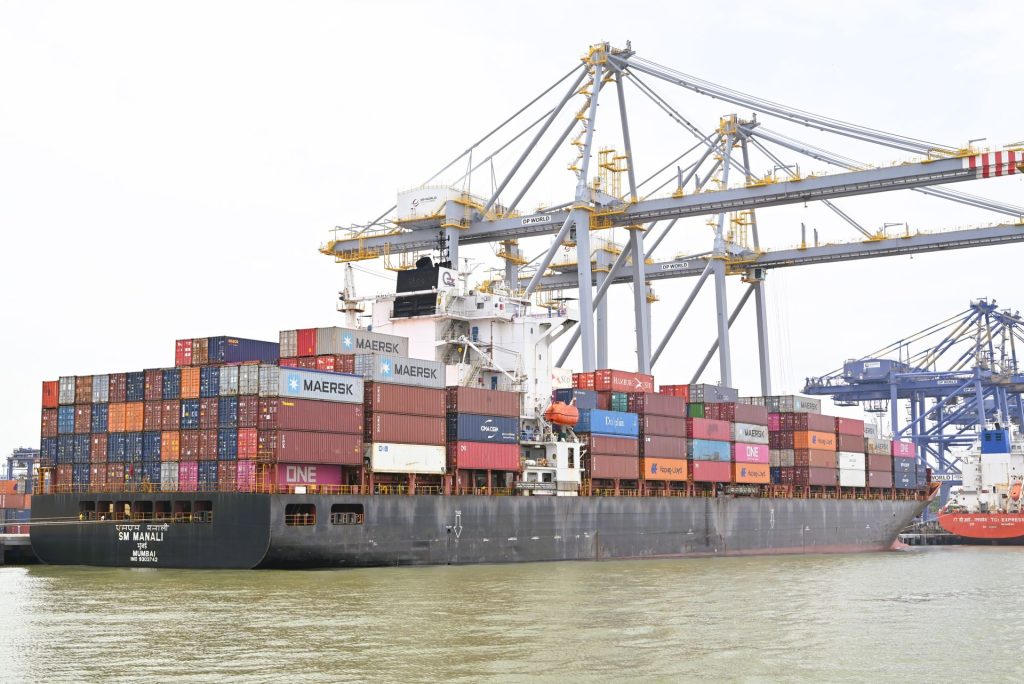
Picture a manufacturer in the South-South waiting on imported machinery. The cargo may land in Lagos and then travel hundreds of kilometres by road before it reaches the factory floor. Each extra day adds cost, and those costs eventually reach workers, suppliers and consumers. When so much trade funnels through one corridor, opportunity gathers there too, while other regions watch from the sidelines.
The Federal Government now wants to change that pattern. It has approved the modernisation and upgrade of Onne, Rivers, Delta and Calabar ports. This builds on earlier approvals for Apapa and Tin Can Island in Lagos. So, if Nigeria is spreading its ports, can it also spread the economic opportunity that comes with them?
More Than a Port Upgrade
Marine and Blue Economy Minister Adegboyega Oyetola announced the approval late September, 2026. It sits alongside plans for six new deep seaports in Akwa Ibom, Cross River, Bayelsa, Ogun, Ondo and Rivers states.
According to the minister, the upgrades should improve cargo handling, shorten vessel turnaround times and strengthen regional connectivity. They should also make the movement of goods more predictable and cost-effective, while easing the concentration of cargo around Lagos.
None of this casts Lagos as a failure. The Lagos ports are still being modernised, and the new approvals complement that work. The real issue is concentration risk. When one commercial corridor carries a disproportionate share of national trade, congestion, disruption or delay in that corridor affects the entire economy.
For ordinary Nigerians, the stakes are practical. Port efficiency shapes what imported inputs cost a small manufacturer. It also affects how quickly an exporter gets produce to market and how much a shopper pays for everyday goods. Consequently, port diversification matters only if it changes those daily realities.
The Economic Opportunity Beyond Lagos
Functioning ports outside Lagos could create meaningful openings. Logistics, warehousing, haulage and related services could generate jobs in port cities that currently see little of the trade passing through the country. Industrial activity could also cluster around well-run terminals, as manufacturers and processors prefer locations where inputs arrive quickly and finished goods leave easily.
Exporters stand to gain as well. Agricultural and mineral producers in the south south and south east could shorten the distance between farm or mine and vessel. This has the potential to reduce handling costs and spoilage.
Businesses in those regions could gain better market access. Investors might also start to look more seriously at areas that international trade has largely bypassed.
Small and medium-sized enterprises could benefit too, provided access to port infrastructure is affordable and practical. Large importers can absorb delays and charges more easily than a small trader can. Therefore, inclusive growth depends on whether new capacity serves businesses of every size or only those with the resources to navigate it.
A Port Cannot Work Alone
Here the argument gets harder. A port is only as useful as the network behind it. Can the Nigerian roads in these states carry heavy trucks without crippling delays? There is also a need for rail and inland waterways to move bulk cargo at lower cost.
Reliable electricity, warehousing and digital systems must support the cargo once it lands. Customs and clearance processes need to be fast enough that shippers do not lose the savings the location promised.
Existing usage already shows the gap between capacity and activity. Published port data indicates that Onne handled about 70 percent of the combined traffic of the four ports. This suggests uneven performance even within the group.
In August 2026, the Nigerian Shippers’ Council also reported that low utilisation of Onne, Calabar and Port Harcourt was contributing to higher logistics costs. Evidently, shippers do not choose a port because it exists. They choose it because the whole journey makes commercial sense.
So what happens if Nigeria upgrades its ports but fails to build the infrastructure that links them to factories, farms and consumers? The likely answer is expensive terminals with thin traffic, and cargo that keeps flowing toward the corridor where connections already work.
The minister has described a connected network in which ports, roads, rail and inland waterways operate together. That vision is sound, but the programme should be judged on whether cargo moves, not on how many facilities receive upgrades.
Read Also: African Leaders Adopt Luanda Declaration on Blue Economy
What Should Nigerians Measure?
Accountability needs to be practical and visible. Government and port authorities should be able to show citizens whether the investment is working, using a handful of plain indicators:
- Cargo volumes handled outside Lagos
- Vessel turnaround and cargo clearance times
- Logistics costs for importers and exporters
- Private-sector usage of the upgraded terminals
- The number and quality of jobs created
- Investment attracted to surrounding regions
- Export volumes and SME access
- Progress on road, rail and inland-waterway connections
Published regularly, these figures would let businesses, communities and investors judge delivery for themselves. They would also help policymakers adjust course early instead of discovering problems years later.
Above all, approval is not impact. Infrastructure spending does not automatically become inclusive development. The real test is what changes for businesses, workers and communities once the construction ends.

From Port Diversification to Economic Diversification
Seen this way, the port programme could become part of a wider effort to reduce economic concentration around Lagos. Stronger ports could anchor regional corridors that link production centres to international markets and spread investment more evenly. The government itself ties the programme to trade, investment, employment and diversification.
An African perspective adds weight to the question. Efficient ports and reliable inland links strengthen a country’s position in regional trade. West African economies are increasingly competing on how smoothly goods move.
Nigeria’s scale gives it potential in that contest. Even so, potential is not delivery, and nothing guarantees the country will become a regional logistics hub.
The Test Beyond the Wharf
A port does not become an economic opportunity simply because ships can dock there. It becomes one when businesses can reach it, goods move through it efficiently and communities gain quality jobs from its activity. It also matters whether regions end up better connected to domestic and international markets.
Ultimately, the question is not Lagos versus the rest. It is whether Nigeria can build a connected, efficient and more geographically distributed trade system. Can Nigeria turn the physical diversification of its ports into the economic diversification its regions need?
For more independent analysis on infrastructure, inclusive growth and responsible business across Africa, keep reading CSR Reporters.
[give_form id="20698"]