ROSEMARY IMOBHIO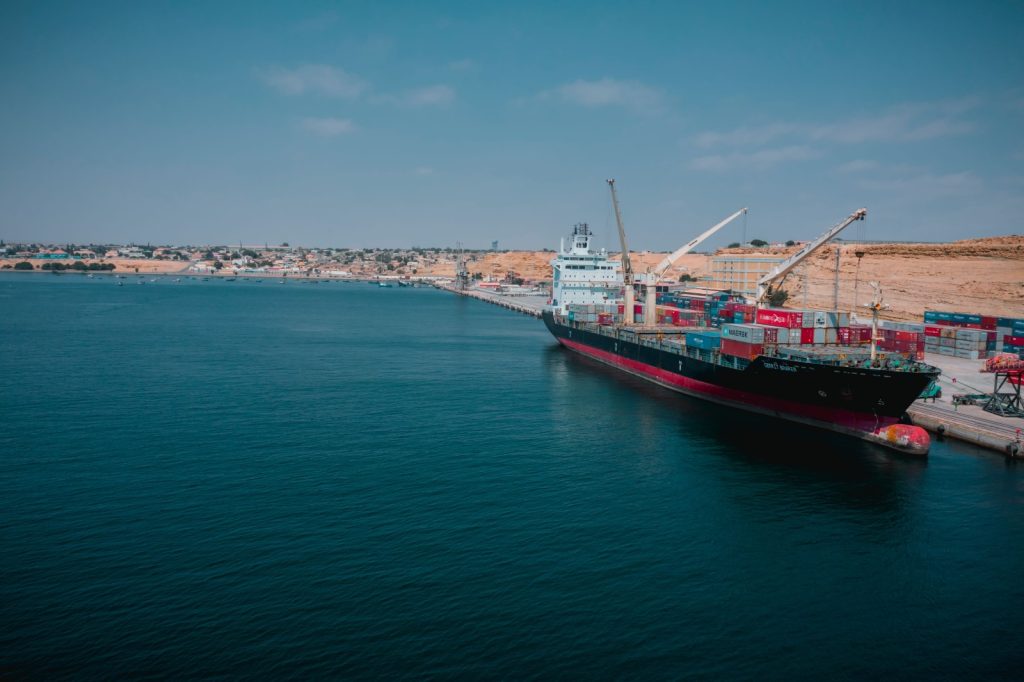
African Union member states have officially adopted the Luanda Declaration on the African Blue Economy, marking a major continental commitment to accelerate sustainable ocean governance, unlock investment and strengthen environmental protection across Africa.
The declaration was adopted on 24 July during the Third Africa Blue Economy Week in Luanda, Angola. Ministers and heads of delegation from African Union member states attended alongside development partners, financial institutions, private sector leaders and civil society. The Government of Angola, the African Union Commission and the United Nations Development Programme hosted the event. Together, they focused on moving Africa’s blue economy agenda from policy discussions to practical implementation.
While the declaration is a political agreement, its implications extend well beyond government institutions. It signals a stronger continental push towards sustainable investment, responsible resource management and coordinated action. These efforts will affect industries that depend on Africa’s oceans, lakes, rivers and coastal ecosystems.
As governments begin translating the commitments into national policies, companies, investors and sustainability professionals will need to align their strategies with emerging blue economy priorities.
What the Luanda Declaration Commits Africa to Do
At its core, the Luanda Declaration seeks to transform Africa’s vast aquatic resources into drivers of sustainable development. At the same time, it aims to protect those resources for future generations.
The agreement commits member states to strengthen governance across the blue economy. It encourages better coordination between sectors that manage marine and freshwater resources. It also calls for ecosystem-based planning, stronger institutions and greater accountability as countries implement the African Union Blue Economy Strategy.
Another major priority is environmental protection. Governments pledged to safeguard marine and freshwater ecosystems. They also committed to reducing pollution, restoring degraded habitats and improving biodiversity conservation. These measures recognise that healthy oceans and waterways support food security, tourism, transport and climate resilience.
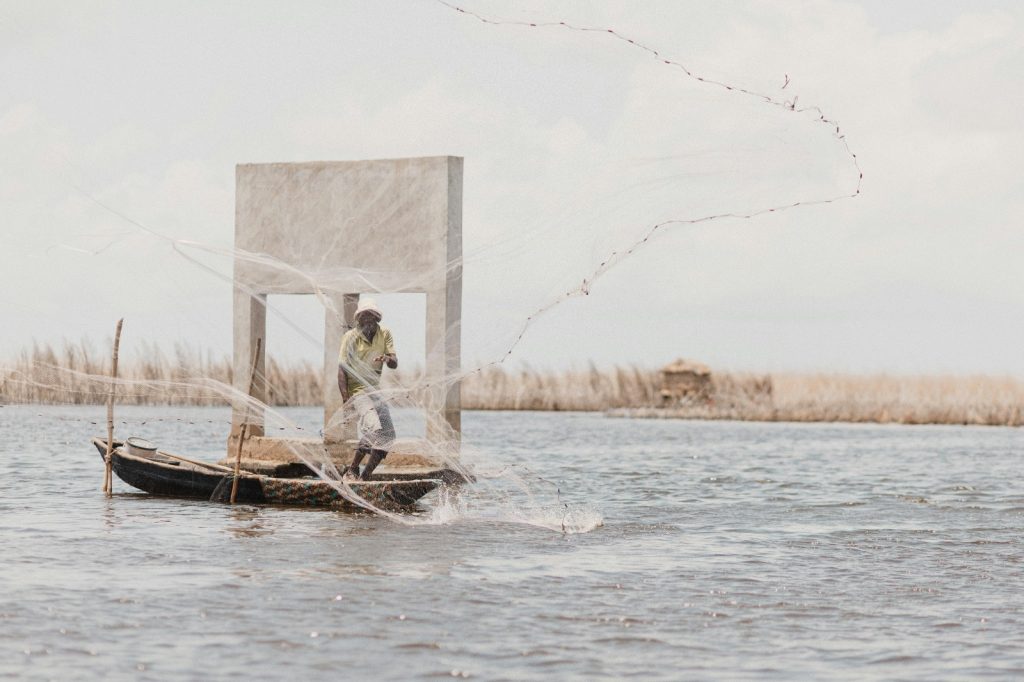
The declaration also promotes sustainable fisheries and aquaculture. It encourages countries to improve resource management while supporting livelihoods that depend on fishing. At the same time, leaders committed to tackling illegal, unreported and unregulated fishing. The practice continues to undermine economic growth and damage marine ecosystems across many African coastal states.
Finance represents another key pillar. Member states agreed to establish sustainable blue financing mechanisms by 2027. These include blue funds, blue bonds, insurance products, blended finance and debt-for-nature instruments. The objective is to reduce reliance on external funding while attracting more long-term investment into Africa’s blue economy.
Innovation also features prominently. The declaration encourages greater use of science, digital technologies and data. These tools can improve ocean governance and resource management. Furthermore, it promotes stronger regional cooperation through harmonised standards and closer collaboration under the African Continental Free Trade Area.
Importantly, the agreement places significant emphasis on women and young people. Leaders committed to expanding their participation in blue economy industries. They plan to improve access to finance, technical skills, markets and leadership opportunities.
Why Businesses Should Pay Attention
Although the declaration targets governments, its long-term impact could reshape corporate sustainability strategies across multiple industries. Shipping and logistics companies may see greater emphasis on greener ports, improved maritime governance and regional coordination.
The declaration also encourages investment in climate-resilient coastal infrastructure. In addition, it supports the gradual decarbonisation of ports and shipping. These priorities could create opportunities for businesses developing cleaner technologies and logistics solutions.
Fisheries and aquaculture operators could benefit from more sustainable resource management. However, they will also need to comply with stricter environmental standards. Businesses that invest in responsible sourcing and traceability may become better positioned as governments strengthen regulation.
Tourism operators stand to gain from healthier coastal ecosystems that support marine tourism. Likewise, renewable energy developers may find increasing opportunities in offshore wind and other marine energy projects promoted under the declaration.
Waste management and recycling companies could also play a larger role. As governments intensify efforts to reduce marine pollution and improve circular economy practices, demand for innovative waste collection, recycling and plastic recovery solutions may increase.
Manufacturers will also need to monitor evolving environmental standards. This is especially important where packaging, industrial waste and plastic pollution affect waterways and coastal communities.
Financial institutions and investors may face growing demand for blue finance products. Governments are seeking new sources of sustainable capital. Banks, insurers and investment firms that already integrate ESG considerations into lending decisions could find new opportunities as blue economy financing expands across the continent.
Marine Protection Takes Centre Stage
Environmental protection sits at the heart of the Luanda Declaration. African leaders acknowledged that marine pollution, biodiversity loss and ecosystem degradation continue to threaten economic development and community livelihoods. Consequently, the declaration strengthens commitments to protect marine and freshwater ecosystems through better governance and stronger conservation measures.
Illegal, unreported and unregulated fishing remains another pressing concern. Besides harming biodiversity, illegal fishing reduces government revenue. It also threatens food security for millions of Africans who depend on fisheries.
The declaration also reinforces efforts to combat marine plastic pollution and coastal degradation. These priorities align with broader circular economy initiatives across Africa. Governments and businesses are increasingly promoting recycling, waste reduction and sustainable materials management.
By connecting environmental protection with economic opportunity, African leaders are signalling that healthy ecosystems are essential for future growth. They should be viewed as critical infrastructure rather than obstacles to development.
Why This Matters for CSR and ESG Across Africa
For companies operating across Africa, the Luanda Declaration reinforces several trends already shaping corporate responsibility. Environmental stewardship is becoming more closely linked to business resilience. Consequently, organisations with operations in coastal, maritime or water-dependent sectors will likely face growing expectations. They will need to strengthen environmental management and sustainability reporting.
The declaration also highlights the importance of public-private partnerships. Governments alone cannot finance or deliver Africa’s blue economy ambitions. Instead, implementation will require collaboration with investors, financial institutions, technology companies, researchers and local communities.
Likewise, ESG considerations are expected to play a larger role as countries develop investment frameworks inspired by the declaration. Businesses that integrate environmental risk, climate adaptation and responsible resource management into corporate strategy may be better prepared for future policy developments.
Responsible investment also receives renewed attention. The declaration emphasises innovative financing and measurable implementation. As a result, it reinforces the growing link between sustainability performance and long-term business value.
A Continental Commitment With Global Significance
The Luanda Declaration represents more than another political statement. Instead, it reflects Africa’s determination to position the blue economy as a strategic pillar of sustainable development, environmental protection, food security and economic transformation. It also builds on earlier continental initiatives. These include the African Union Blue Economy Strategy, the 2050 Africa’s Integrated Maritime Strategy, the Lomé Declaration, the Nairobi Statement and Agenda 2063.
Furthermore, the declaration mandates the African Union Commission to prepare a Continental Implementation Roadmap for 2026 to 2030. The roadmap will include measurable indicators, biennial reporting and a permanent ministerial platform to track progress.
African Union Commissioner Moses Vilakati said the declaration should serve as a practical roadmap for mobilising investment, strengthening regional cooperation and ensuring accountability. He also stressed that implementation, rather than declarations alone, will determine whether Africa can transform its aquatic resources into lasting economic opportunities.
Ultimately, the declaration’s success will depend on sustained collaboration among governments, businesses, investors, civil society, researchers and local communities. If those partnerships translate commitments into action, the Luanda Declaration could become a defining milestone. It could also strengthen Africa’s journey towards a more resilient, inclusive and sustainable blue economy.
Visit CSR Reporters for trusted news, expert analysis and in-depth coverage of CSR, ESG, sustainability, climate action and responsible business across Africa.
[give_form id="20698"]