From ₦17,000 to ₦4,000: How CNG Could Change the Economics of Running a Tricycle Business
 ONYINYECHI NWAIGBA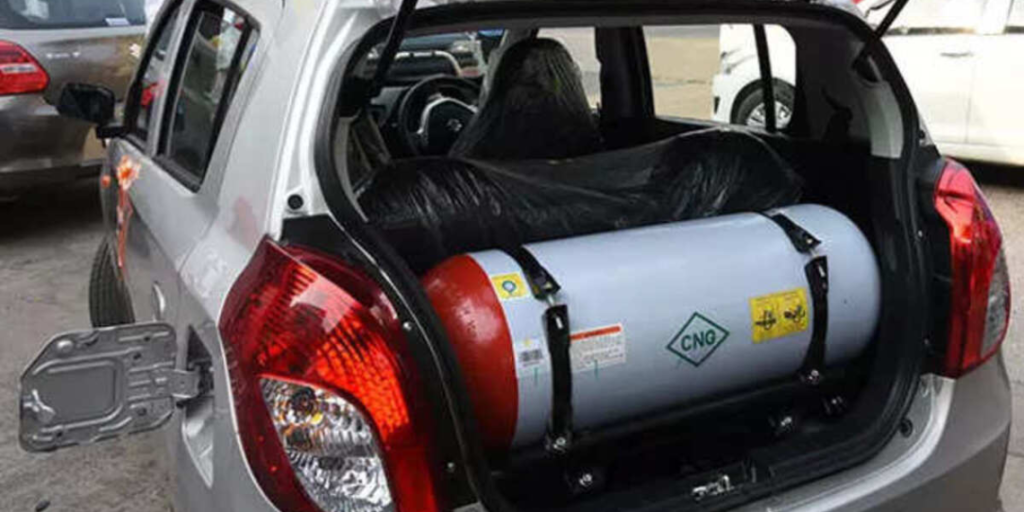
For commercial transport operators, the cost of fuel can determine how much of their daily earnings actually remains after the business has paid for itself.
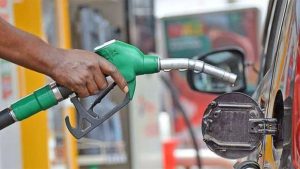
With petrol prices putting pressure on the cost of transportation, operators of tricycles and other commercial vehicles have increasingly had to find ways to reduce the amount spent on fuel without reducing the number of hours they spend on the road.
Compressed Natural Gas (CNG) is being promoted as one possible alternative.
According to Alhaji Abiola Azeez, a State Executive Council member of the National Union of Road Transport Workers (NURTW) and Zonal Chairman of Zone C TOOAN, some tricycle operators could see a significant difference in their daily fuel expenses by switching from petrol to CNG.
Speaking during a safety monitoring exercise in Lagos, Azeez said tricycle operators could spend between ₦15,000 and ₦17,000 daily on petrol, compared with about ₦3,500 to ₦4,000 when using CNG.
If sustained, that difference could have a meaningful effect on the economics of running a small transport business.
Why Fuel Costs Matter So Much to Tricycle Operators
A tricycle may look like a simple means of transportation, but for its operator, it is also a business that comes with several recurring expenses.
Every day on the road requires money for fuel, while maintenance costs can include engine oil, tyres, repairs and replacement of worn-out parts. Operators also have to deal with other personal and business responsibilities from the income generated from the vehicle.
This means that an increase in fuel expenditure can quickly reduce what an operator takes home at the end of the day.
For an operator spending ₦17,000 on petrol daily, for example, a reduction to around ₦4,000 would represent a substantial difference in the amount spent just to keep the vehicle moving.
Azeez’s figures suggest that the potential savings could run into thousands of naira each day for operators who are able to use CNG.
The figures, however, are estimates provided by the transport union official and should not be understood as a fixed cost for every tricycle operator. Actual fuel consumption can vary depending on the vehicle, route, distance covered and hours of operation.
Still, the gap highlights why alternative fuel has become an important part of the conversation around the future of commercial transportation.
What Lower Fuel Expenses Could Mean for the Business
The importance of cheaper fuel goes beyond what an operator spends at a filling station.
For a transport operator, every naira saved on a recurring business expense can potentially be redirected towards another need.
An operator spending less on fuel may have more room to set money aside for vehicle maintenance, handle unexpected repairs or manage other costs associated with the business.
It could also provide some relief for operators whose earnings have been squeezed by the rising cost of running their vehicles.
This is particularly important because transport businesses depend on consistent daily operations. A vehicle that is off the road because of a mechanical problem cannot generate income, while an operator who spends too much on fuel may have little left to deal with other business expenses.
Lower operating costs could therefore improve the ability of some operators to keep their businesses running consistently.
For small-scale transport businesses, this matters because sustainability is not only about how much revenue comes in. It is also about how much it costs to generate that revenue.
The Link Between Fuel Costs and Transport Fares
The cost of operating commercial vehicles also affects passengers.
When fuel and other operating expenses rise, transport operators may have to increase fares to remain financially viable. For commuters who rely on tricycles, buses and motorcycles every day, higher fares can quickly add to household expenses.
Azeez said the lower cost associated with CNG could ease financial pressure on transport operators and potentially contribute to more affordable transportation for commuters.
That does not mean that every reduction in fuel expenditure will automatically result in lower fares. Transport fares are influenced by several factors, including maintenance costs, vehicle expenses, route conditions and general operating costs.
However, reducing one of the major recurring expenses could give operators more room to manage their businesses without constantly passing rising costs on to passengers.
For commuters, this could become particularly important if CNG adoption expands and the benefits of lower fuel costs become more widespread.
CNG Adoption Still Faces an Infrastructure Question
The potential savings may be attractive, but the transition to CNG also depends on accessibility.
Azeez called for the expansion of CNG infrastructure to make the alternative fuel more available to commercial transport operators.
For an operator who spends most of the day moving passengers around Lagos, convenient access to refuelling points is important. If CNG facilities are difficult to access, the potential financial benefit may be harder to realise in everyday operations.
This means that the conversation around CNG cannot stop at the cost of the fuel itself.
There is also the question of infrastructure, availability and the ability of commercial operators to integrate CNG into their normal work routines.
The wider adoption of CNG will therefore depend partly on how easily operators can access the infrastructure required to use it.
Government Support Could Help More Operators Make the Switch
Azeez also commended the Federal Government for promoting CNG as an alternative to petrol and for deploying CNG-powered buses and tricycles.
He said some commercial vehicles had received CNG installations at no cost to their operators.
For commercial transport businesses, the initial cost of accessing an alternative fuel system can be an important consideration. Support that reduces this barrier could make it easier for more operators to consider the transition.
The potential benefit is not limited to individual operators. If more commercial vehicles can operate at lower fuel costs, the impact could extend across the wider transportation ecosystem.
But for that impact to be sustained, operators would still need reliable access to CNG and the necessary infrastructure to keep their vehicles operating.
The Other Side of the Conversation: Vehicle Safety
While the discussion around CNG focused largely on reducing operating costs, the safety monitoring exercise where Azeez spoke also highlighted another important part of commercial transportation: vehicle maintenance.
ISTIJABAH has commenced quarterly safety monitoring of commercial buses, tricycles and motorcycles across Lagos.
The exercise focuses on the condition of commercial vehicles, with particular attention to repairs and maintenance, including braking systems.
This is significant because a commercial vehicle is not only a business asset. It carries passengers and interacts with other road users throughout the day.
Poor maintenance can therefore create risks that go beyond the operator’s business.
As part of the exercise, the union plans to provide items such as tyres, mirrors, wipers and engine oil to operators whose vehicles require maintenance.
The monitoring is expected to take place every three months at motor parks, with union representatives inspecting vehicles and following up on identified issues.
Why Maintenance Matters to the Economics of Transport
For operators working with limited margins, maintenance can sometimes be treated as an expense to deal with only when something goes wrong.
But postponing routine maintenance can eventually result in more expensive repairs and longer periods when a vehicle is unable to operate.
A faulty braking system, worn-out tyres or other neglected problems can also create serious safety concerns for drivers and passengers.
This makes the conversation around lower fuel costs incomplete without considering vehicle maintenance.
If CNG helps reduce daily fuel expenses, some operators may have greater room to manage other costs associated with keeping their vehicles roadworthy.
The goal should not simply be to make transport cheaper to operate, but to make it possible for operators to run sustainable businesses while maintaining safe vehicles.
What CNG Could Mean for Lagos’ Transport Economy
The growing interest in CNG reflects a wider search for ways to reduce the cost of commercial transportation.
For tricycle operators, the difference between spending up to ₦17,000 and about ₦4,000 on daily fuel, as cited by the transport union official, illustrates the scale of the potential savings.
For operators, lower fuel expenses could mean more room to manage maintenance and other business costs.
For commuters, it could create the possibility of greater stability in transportation costs if savings are sustained across the sector.
For government and other stakeholders, however, the challenge will be ensuring that CNG infrastructure and support systems can keep up with adoption.
Ultimately, the success of CNG in commercial transportation will not be measured by fuel savings alone. It will also depend on accessibility, reliable infrastructure, vehicle maintenance and whether lower operating costs can contribute to more sustainable transport businesses.
For the thousands of Nigerians who earn a living by moving people around cities every day, reducing the cost of keeping a vehicle on the road could make a significant difference to the business behind the wheel.
[give_form id="20698"]