ROSEMARY IMOBHIO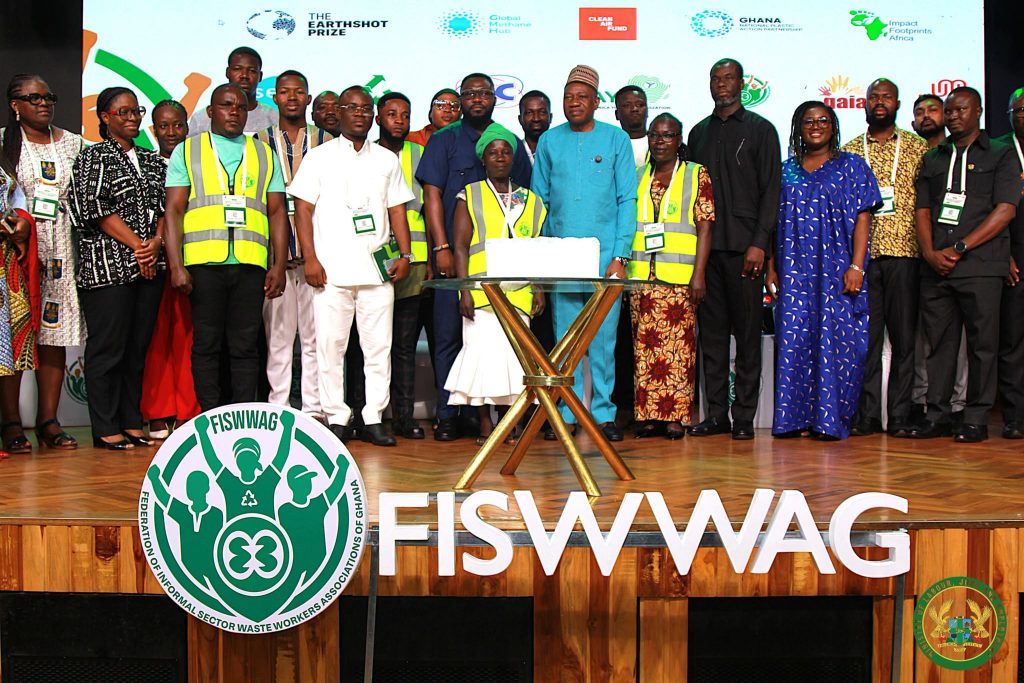
Thousands of waste pickers across Ghana finally have a formal home. On Monday, the country inaugurated its first National Informal Waste Worker Union (NIWWU). A body created to recognise and protect the men and women who sort, collect and recycle waste in cities and towns nationwide.
The union was launched in Accra by the Green Africa Youth Organization (GAYO), working alongside government agencies and development partners. Consequently, the event drew waste worker leaders from all sixteen regions of Ghana, alongside officials, private sector representatives and civil society groups.
A Theme Rooted In Recognition
Organisers framed the ceremony around the theme “From Informality to Inclusion: Recognising Informal Waste Workers as Essential Actors in Ghana’s Circular Economy.” The phrase captured the spirit of the day, since much of the programming centred on giving overlooked workers a formal seat at the table.
According to GAYO, the launch was not a sudden development. Rather, it marked the culmination of a five-year campaign to organise waste pickers across the country. What began as a single cooperative has since grown into a nationwide movement. One that highlights the environmental and economic value that informal workers bring to Ghana’s waste sector.
Moving forward, the union is expected to serve as a unified platform. Waste workers will now be able to engage government bodies, municipalities, industry players and development partners through a single, coordinated voice. Additionally, GAYO explained that NIWWU will push for safer working conditions, better access to markets, stronger social protection and greater participation in policy decisions that affect its members.
Government Backing And Legal Standing
Ghana’s Minister for Labour, Jobs and Employment, Dr Abdul-Rashid Pelpuo, addressed the gathering. He described the union as a lawful body established under the country’s Labour Act of 2003. He also noted that its formation also aligns with Ghana’s commitments under International Labour Organization conventions. Particularly those guaranteeing freedom of association.
“The formation of the National Informal Waste Worker Union is a lawful exercise of constitutional and statutory provisions,” Pelpuo said. He added that the government fully recognises the development and intends to support it going forward.
Furthermore, the minister pledged continued government backing for safer workplaces, stronger social dialogue and more inclusive employment opportunities for informal waste workers. He pointed out that Ghana is joining a wider global movement. One already seen in countries such as India and Brazil, where waste pickers have been organised into cooperatives and unions to secure decent working conditions.
Once registered by the Chief Labour Officer, a union of this kind holds full legal standing. It can bargain on behalf of its members, organise activities and represent their interests before employers and policymakers alike. This legal grounding matters significantly for workers who have long operated without formal recognition. This despite performing tasks that keep cities cleaner and support recycling supply chains.
Voices From The Movement
Speaking on behalf of GAYO, Richard Matey reflected on the years of groundwork that led to the launch. “Recognition requires organisation. Organisation requires representation. Representation requires partnerships,” he said. Adding that this understanding had shaped the entire journey.
Matey explained that GAYO will continue working toward legal recognition, deeper municipal integration and expanded market opportunities for its members. He also stressed that strengthening the union’s internal capacity, along with improving access to social protection, remains a key priority in the months ahead.
Other goals mentioned include broader partnerships with Metropolitan, Municipal and District Assemblies. Also on the list is the integration of waste workers into Ghana’s Extended Producer Responsibility system, a framework designed to hold manufacturers accountable for the waste their products eventually generate.
Wide Support From Partners
Financial backing for the initiative came from several sources, including the UMI Fund, The Earthshot Prize, Global Methane Hub and the Clean Air Fund. Technical support was provided by organisations such as the Global Alliance for Incinerator Alternatives, the Ghana National Plastic Action Partnership and the Accra Metropolitan Assembly, among other public and private institutions.
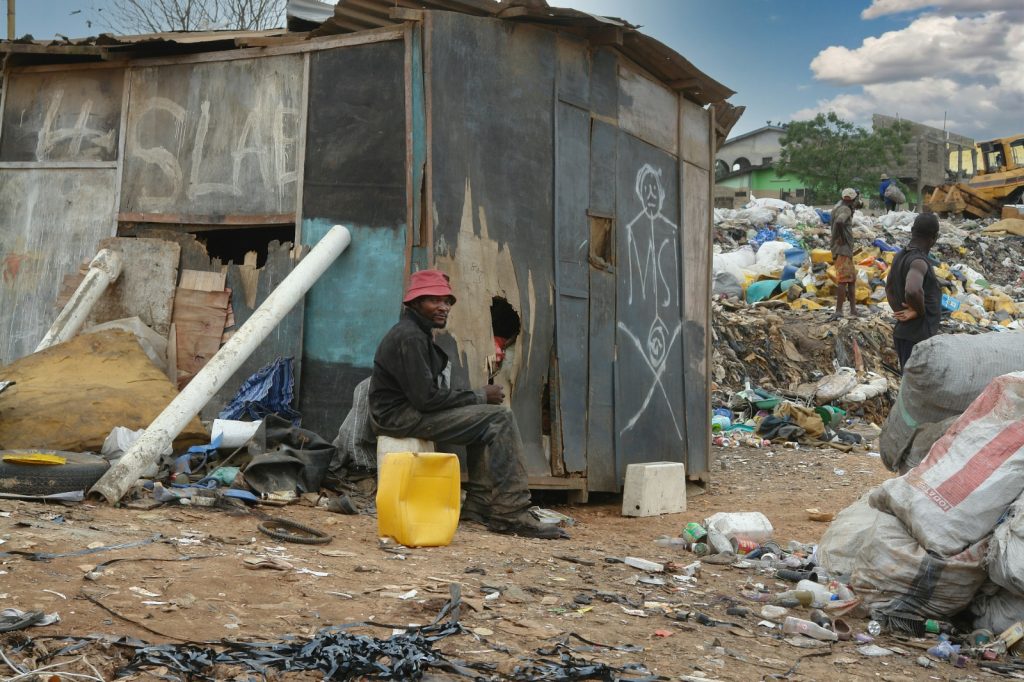
This broad coalition reflects a growing recognition that informal waste workers are central, not peripheral, to Ghana’s environmental goals. Waste pickers recover recyclable materials that would otherwise end up in landfills, and their work reduces methane emissions from decomposing organic waste. Despite this contribution, many have historically lacked formal recognition, labour protections or a reliable path to fair wages.
GAYO used the occasion to call on governments, producer responsibility organisations, research institutions, private companies and development partners to support the union’s ongoing activities. The organisation also reaffirmed its broader mission, one focused on youth-led climate solutions, zero-waste cities, green job creation and circular economy initiatives across the African continent.
What Comes Next
Looking ahead, the union’s leadership faces the task of translating Monday’s ceremony into lasting structural change. Legal recognition alone will not resolve the everyday challenges many waste pickers face, including unsafe working conditions and inconsistent income. However, organisers believe that having a formal, government-recognised platform gives workers meaningfully more leverage than before.
Dr Pelpuo closed his remarks by urging the new union’s leadership to govern with integrity. He called for unity, democratic practices, and stronger inclusion of women and young people within the organisation’s ranks, before the ceremony concluded with the unveiling of NIWWU’s official logo and institutional identity.
For now, Ghana’s informal waste sector has something it lacked before: a unified, legally grounded voice. Whether that voice translates into better wages, safer conditions and lasting policy influence will likely depend on how well government agencies, private companies and development partners follow through on the commitments made in Accra this week.
[give_form id="20698"]