ROSEMARY IMOBHIO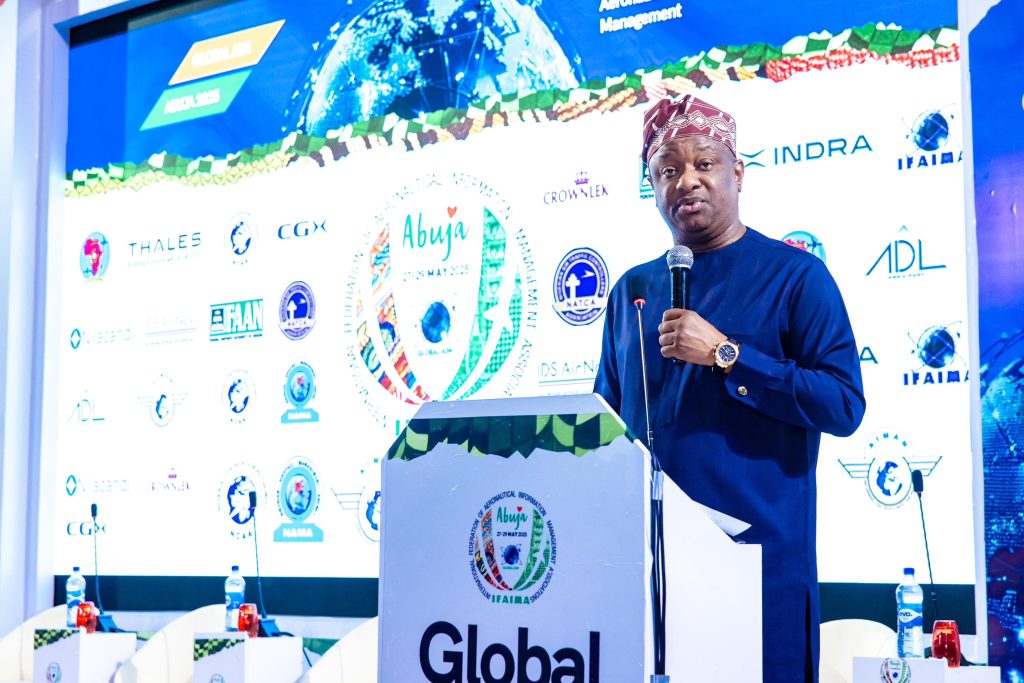
Every naira carries an opportunity cost, and Nigerians have felt that cost since fuel subsidy ended. Households absorbed higher pump prices and transport fares. Now the government says the resulting fiscal room is rebuilding the country’s airports. Naturally, a fair question follows: what should citizens receive in return?
Aviation offers a useful test case. Aviation Minister Festus Keyamo drew the link on Monday at the 67th anniversary of Aero Contractors in Lagos. He argued that decades of subsidy spending left no money for major gateways, and that this has now changed. However, whether it changed for the better depends on what the spending delivers, not on what it costs.
What The Minister Says Is Being Funded
Keyamo named several projects. They include the reconstruction of the old terminal at Murtala Muhammed International Airport in Lagos, a second runway in Abuja and a full runway rebuild in Kano. In addition, Port Harcourt’s runway is being resurfaced, and work at Akure is expected to start soon.
He also made a financing claim. According to the minister, the President raised $500 million for the Lagos project without borrowing, because liquidity improved after the reforms. He contrasted this with earlier terminals built on Chinese loans, which Nigeria is still repaying. Other reports of the speech put the Lagos reconstruction at ₦712 billion.
These are the government’s claims, and they deserve a hearing. Even so, a funding source is not a measure of value. Reports of the same speech also carry different cost figures for the Abuja runway, so the public needs one authoritative set of numbers.
Why A Runway Is More Than Concrete
Aviation matters well beyond the airfield. Captain Ado Sanusi, chief executive of Aero Contractors, made that point at the same event. He described aviation as a catalyst for tourism, trade, jobs and foreign investment. He also warned that a new mega-airport and maintenance hub across Nigeria’s border could draw passengers and jobs away, leaving “ghost airports” at home.
Those benefits are plausible, but they are not automatic. A dependable runway can reduce diversions and cancellations. A modern terminal can attract connecting traffic.
Yet airlines, maintenance firms, cargo handlers and tourism operators must also respond. Otherwise, a gleaming terminal simply serves the same passengers as before. On a continent chasing intra-African trade and easier mobility, efficient hubs matter, provided they link to roads, rail and fair fares.
The Abuja Runway And The Price Of Waiting
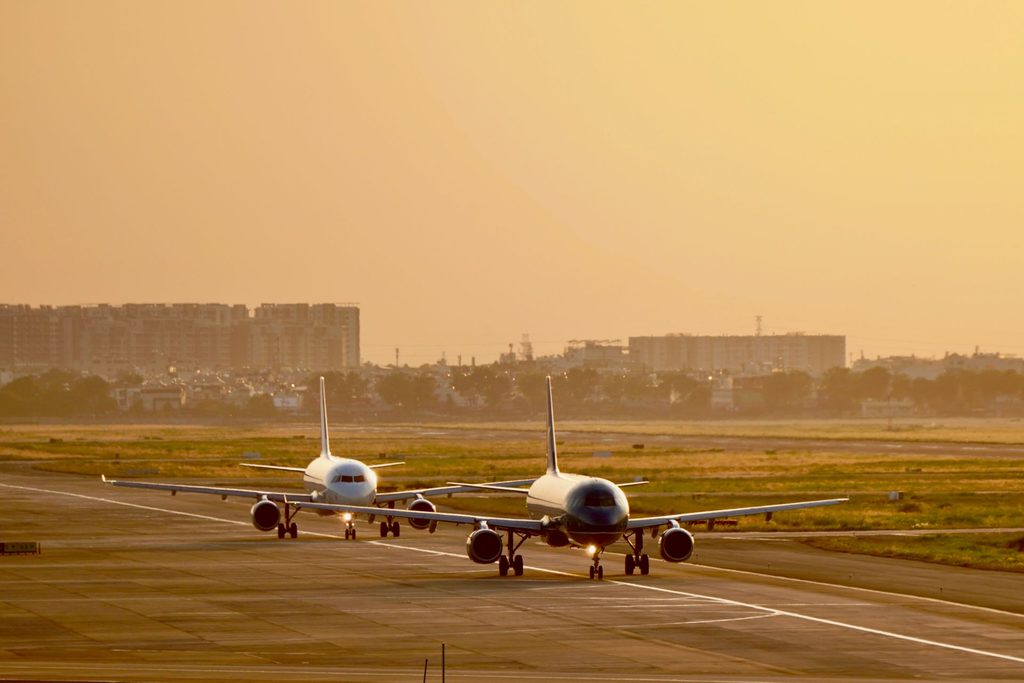
Abuja offers the sharpest lesson. Keyamo said the second runway was once estimated at about ₦45 billion. When lawmakers judged that sum too high and the project stalled. Fifteen to twenty years later, he said, it now costs nearly ₦500 billion.
Context matters here. The comparison spans many years, inflation and currency changes, so the two figures are not strictly like for like. Still, the central point stands. Delay is never free. Taxpayers eventually pay for postponed benefits and for higher construction bills.
Earlier reporting also recorded the minister rejecting a contractor’s proposed variation on the same runway, which shows why cost discipline matters as much as speed.
Four Tests For Subsidy-Linked Spending
Public money moves through four stages, and each deserves scrutiny. First, government commits money. Second, contractors deliver infrastructure. Third, people use it effectively. Fourth, measurable social and economic outcomes appear. Announcements usually cover the first stage, while citizens experience the last two.
Accountability therefore begins with traceability. Nigerians should be able to see budgets, contractors, timelines and payment milestones in one accessible place. Independent audits and open procurement data would give that tracking credibility.
Moreover, each project should publish outcome targets, such as passenger numbers, on-time performance, local jobs and maintenance standards. The public record does not yet answer these questions in detail. Consequently, declaring success or failure now would be premature, but asking for the metrics is entirely fair.
See Also: Cleaner Aviation Fuel Is Now a Real Possibility
What Success Should Look Like
Success should be visible to ordinary Nigerians. A traveller should face fewer delays. Traders should move goods faster. Hoteliers and tour operators should see more bookings. Meanwhile, local contractors and young engineers should gain skills and income, and host communities should share the benefits, not only the disruption.
Measurement also protects the reform itself. When citizens can see results, public trust in difficult economic decisions grows. When they cannot, scepticism hardens, whatever the arithmetic says.
Beyond The Ribbon-Cutting
Subsidy reform created a fiscal argument. Infrastructure must now supply the evidence. Runways and terminals will matter only if they cut costs, create work and open markets for ordinary people.
If the government publishes clear targets and reports against them honestly, the reform earns credibility. If it does not, even well-built projects will leave Nigerians asking what they got for their sacrifice.
In the end, the test is simple. The measure of success is not how much government spends. It is what Nigerians can see, use and gain from that spending.
Follow CSR Reporters for continued coverage of how public spending translates into measurable impact across Nigeria and Africa.
[give_form id="20698"]