
 ONYINYECHI NWAIGBA
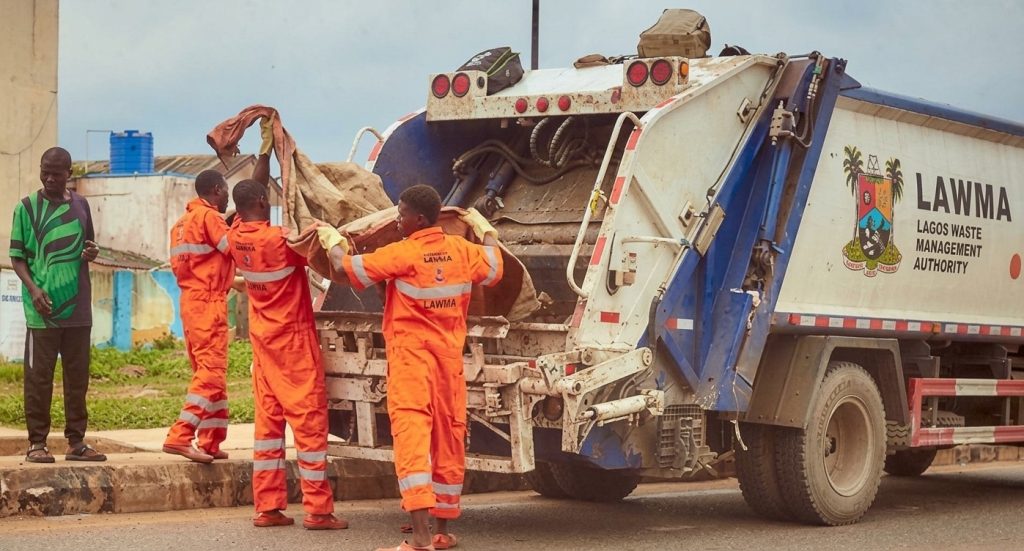
With Lagos generating an estimated 13,000 to 14,000 tonnes of waste daily, the Lagos Waste Management Authority has unveiled a 60-day plan to clear illegal dumpsites and improve waste collection. But a lasting solution will require stronger infrastructure, effective recycling, responsible businesses and a waste management system that works for every community.
For many Lagos residents, the problem of waste management is difficult to ignore. Heaps of refuse along roadsides, overflowing collection points and illegal dumpsites have become recurring concerns in different parts of the state.
Beyond the unpleasant sight, poorly managed waste creates serious environmental and public health concerns. When refuse blocks drainage channels, it can worsen flooding. Uncontrolled dumping and burning can pollute the environment, while poorly managed waste sites can attract pests and expose nearby communities to health risks.
The scale of the challenge is considerable. The Acting Managing Director of the Lagos Waste Management Authority (LAWMA), Olajuwon Akinyemi, recently estimated that Lagos generates between 13,000 and 14,000 metric tonnes of waste every day.
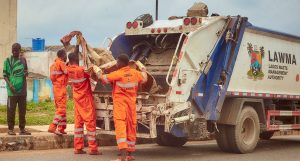
Against this background, the authority has unveiled a 60-day action plan focused on accelerating waste evacuation, improving operational efficiency and strengthening its response across Lagos State.
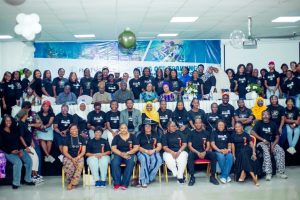
The plan was announced on November 20, 2026, during a meeting with LAWMA management and staff at its headquarters in Ijora-Olopa. It comes as the authority seeks to address persistent waste accumulation and improve public confidence in the state’s waste management system.
Akinyemi said the immediate priorities include redeploying personnel across the state’s three operational districts, improving field monitoring, strengthening regulatory enforcement and establishing regional operational hubs.
In a separate stakeholder engagement, he also promised an intensive clean-up of illegal dumpsites and identified waste black spots within 30 to 60 days, with the aim of delivering visible improvements before Christmas.
The announcement is an important step, but it raises a bigger question: can a 60-day intervention address the structural problems behind Lagos’ growing waste management challenge, or will the city return to the same cycle once the clean-up exercise ends?
A Growing Waste Problem Requires More Than Evacuation
Lagos is one of Africa’s most densely populated urban centers, with households, markets, offices, industries, restaurants and commercial establishments generating enormous quantities of waste every day.
Managing this volume requires a coordinated system involving collection, transportation, transfer stations, treatment, recycling and final disposal.
LAWMA operates within this system alongside Private Sector Participation (PSP) operators responsible for collecting waste from homes and businesses in their assigned areas.
However, the system faces significant operational and financial pressures.
During his recent stakeholder engagement, Akinyemi highlighted the rising cost of running waste collection businesses. He said specialized waste collection trucks that previously cost between ₦5 million and ₦10 million now cost approximately ₦18 million to ₦19 million. He also put diesel prices at between ₦1,800 and ₦2,000 per liter.
These expenses affect the ability of waste operators to maintain vehicles, pay workers and provide regular collection services.
The situation illustrates why waste management cannot be treated as a simple exercise of moving refuse from one location to another. It requires sustained investment in equipment, personnel, fuel, logistics and disposal infrastructure.
LAWMA’s proposed staff redeployment and regional operational hubs could help improve supervision and response times, particularly in communities located far from the authority’s central operations.
Akinyemi has indicated that the authority is considering approximately 10 regional hubs to bring waste management services closer to residents.
However, these centers are still proposed interventions. Their effectiveness will depend on when they become operational, how they are funded and whether they have the personnel and equipment required to respond to local challenges.
The Cost of Poor Waste Management Goes Beyond Dirty Streets
When waste collection fails, the consequences extend beyond the appearance of neighborhoods.
Improperly discarded refuse can obstruct drainage channels and contribute to flooding, particularly during periods of heavy rainfall. Plastic waste can enter waterways, while unmanaged dumpsites can create environmental and sanitation problems for surrounding communities.
Residents living close to waste accumulation points may experience unpleasant odors, increased pest activity and exposure to polluted surroundings.
Businesses also face consequences.
Markets, restaurants, food vendors and shopping centers depend on clean surroundings to maintain hygiene and attract customers. Waste accumulation can affect business operations, increase cleaning costs and undermine the quality of public spaces.
For communities already struggling with poor drainage, flooding and inadequate sanitation infrastructure, unreliable waste collection adds another layer of vulnerability.
The economic consequences can be particularly difficult for lower-income households and informal businesses that have limited resources to relocate or protect themselves from environmental hazards.
This makes waste management a public health, economic and social development issue, not merely an environmental housekeeping exercise.
Recycling Could Turn Lagos’ Waste Challenge into an Economic Opportunity
One of the most important elements of a sustainable waste management system is reducing the amount of waste that ends up in landfills.
LAWMA’s new management has emphasized the importance of waste sorting at source, reuse and recycling. The authority has also indicated plans to work with the state government on rehabilitating landfill sites and developing material recovery centers.
These measures could help move Lagos towards a more circular waste economy.
Instead of treating every discarded item as waste, a circular economy seeks to recover materials and return them to productive use.
Plastic bottles can be collected and processed into recyclable materials. Paper and cardboard can be recovered for reuse or manufacturing. Organic waste can be processed into compost or other useful products, while suitable electronic waste can be handled through specialized recycling systems.
This creates opportunities for businesses involved in collection, sorting, processing, recycling and the production of materials from recovered waste.
It can also support employment for waste collectors, recyclers, logistics workers, technicians and entrepreneurs.
However, recycling requires more than encouraging residents to separate their waste. There must be accessible collection points, sorting facilities, reliable buyers for recovered materials and businesses capable of processing them.
Without these connections, separated waste may eventually end up mixed with general refuse.
The proposed development of material recovery centers is therefore important. If properly implemented, these facilities could strengthen the link between waste collection and recycling, reduce pressure on disposal sites and support businesses operating within the circular economy.
Businesses Must Take Responsibility for the Waste They Generate
Government agencies cannot solve Lagos’ waste problem without the cooperation of the businesses and households generating that waste.
Markets, manufacturers, hotels, supermarkets, restaurants, offices and construction companies all produce waste through their daily activities.
Their responsibility should not end once refuse leaves their premises.
Businesses need to consider how much waste they generate, how it is separated, whether recyclable materials are recovered and whether disposal is handled through approved channels.
Manufacturers, for example, can reduce unnecessary packaging and explore materials that are easier to reuse or recycle. Restaurants and food businesses can improve food waste management, while offices can introduce systems for recovering paper, plastics and electronic equipment.
Large commercial establishments can also work with licensed waste operators and recycling companies to improve the management of their waste streams.
These actions are part of responsible business practice. They reduce environmental pressure while encouraging more efficient resource use.
For companies with substantial operations in Lagos, waste management should form part of their environmental and sustainability strategies, supported by clear targets and regular monitoring.
Corporate social responsibility should also extend beyond occasional street clean-ups and donations of waste bins. Businesses can contribute more meaningfully by investing in recycling infrastructure, supporting waste recovery enterprises, improving packaging practices and creating opportunities for people working within the waste value chain.
The Informal Waste Workforce Must Not Be Overlooked
Another important part of Lagos’ waste management system is the informal workforce involved in collecting, sorting and recovering discarded materials.
Informal waste pickers and recyclers help recover materials that might otherwise be sent to disposal sites. Their activities contribute to the recycling economy, even though many operate without adequate protective equipment, stable incomes or formal recognition.
As Lagos strengthens its waste management system, these workers should not be excluded from the transition towards more organized operations.
Government and private recycling companies can create safer working arrangements through training, access to protective equipment, formal collection agreements and opportunities to participate in material recovery facilities.
Supporting these workers can improve livelihoods while strengthening the efficiency of the recycling system.
A sustainable waste management strategy should not only ask how much refuse has been removed from the streets. It should also consider the people whose livelihoods depend on collecting and recovering those materials.
Residents Also Have a Responsibility
LAWMA’s proposed plan places considerable emphasis on public education and community engagement.
The authority has indicated that traditional rulers, Community Development Associations, market associations, artisans and other community stakeholders will be mobilized to encourage proper waste disposal and sorting at source.
This is necessary because waste management is a shared responsibility.
Residents who dump refuse in drainage channels, roadsides or unauthorized locations contribute to the problem. Households can help by separating recyclable materials, using approved collection services and disposing of refuse at designated locations.
However, public responsibility must be matched by reliable public services.
Residents are more likely to comply when waste collection is regular, charges are transparent, collection points are accessible and complaints receive attention.
LAWMA’s call for greater compliance with approved waste collection tariffs must therefore go alongside efforts to improve service quality and explain the costs involved in providing waste collection services.
Public education cannot substitute for functioning waste collection infrastructure. Both must work together.
How Will Lagos Measure the Success of the 60-Day Plan?
The announcement of a 60-day action plan creates an opportunity for residents to assess whether the authority’s promises translate into visible improvements.
But measuring success requires more than announcing that illegal dumpsites have been cleared.
LAWMA should provide clear information about the locations targeted, the number of illegal dumpsites removed, the volume of waste evacuated and the frequency of collection services across different communities.
It should also report progress on the proposed regional hubs, the rehabilitation of landfill facilities and the development of material recovery centers.
Another important measure is whether cleared locations remain clean after the initial intervention.
A community that receives a clean-up exercise only to see refuse accumulate again a few weeks later has not experienced a lasting solution.
The authority must therefore strengthen routine monitoring, enforcement and coordination with PSP operators.
The state government also needs to invest in the infrastructure required to manage the volume of waste generated by Lagos. This includes adequate collection vehicles, transfer facilities, properly managed disposal sites and recycling infrastructure.
These investments cannot be replaced by emergency evacuation exercises, however ambitious their targets may be.
A Cleaner Lagos Must Be Built Beyond the 60 Days
LAWMA’s 60-day plan provides an opportunity to address visible waste accumulation and improve operational efficiency across Lagos State.
The proposed regional hubs, staff redeployment, public education and stronger engagement with private waste operators are relevant interventions. However, their success will depend on implementation, funding, infrastructure and sustained accountability.
Lagos needs a waste management system that does more than remove refuse after it has accumulated. It needs one that reduces waste generation, improves collection, encourages recycling, protects workers and holds waste generators accountable.
Government must provide effective regulation and infrastructure. Businesses must manage the waste created by their operations. Residents must use approved disposal systems, while waste operators must deliver reliable services.
The informal recycling workforce must also be recognized as part of the solution.
Ultimately, a cleaner Lagos should not be measured by how much waste disappears from the streets during a government clean-up campaign. It should be measured by whether residents can live and work in cleaner environments every day, whether waste is recovered instead of discarded unnecessarily and whether the system can continue functioning long after the 60-day deadline has passed.
A cleaner city is not achieved through evacuation alone. It is built through a waste management system that works consistently, responsibly and sustainably.
[give_form id="20698"]