MrBeast Builds $10m Village in Ghana to Fight Child Labour
 ROSEMARY IMOBHIO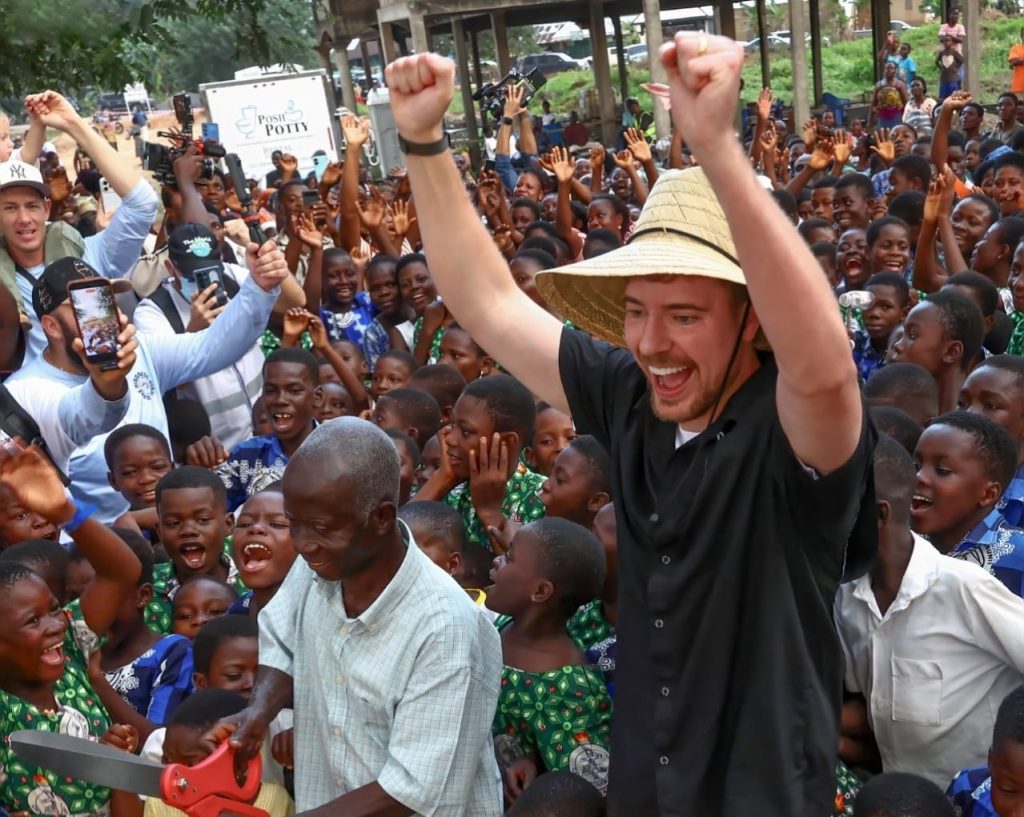
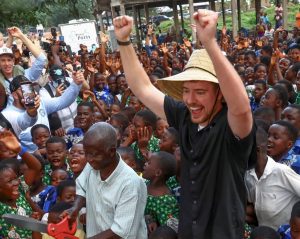
When YouTube creator Jimmy Donaldson, popularly known as MrBeast, unveiled Abna Dakwa Village in Ghana in September 2026, the project offered a striking example of how digital influence can support community development. The reported $10 million investment includes a school, teacher accommodation, a health clinic, clean-water infrastructure, solar power and facilities designed to support local livelihoods.
The project, showcased in a video released on September 19, aims to give children and families in cocoa-growing communities alternatives to child labour. Students are also expected to receive free school meals for five years, with support from The Rockefeller Foundation.
However, the initiative raises a bigger question for the cocoa industry. Can substantial philanthropic investment address the economic pressures that keep children working on farms, and what must businesses do to ensure those gains last?
For CSR and sustainability leaders, the project highlights the relationship between philanthropy, responsible sourcing and the long-term welfare of agricultural communities.
Beyond the Buildings: What the Investment Delivers
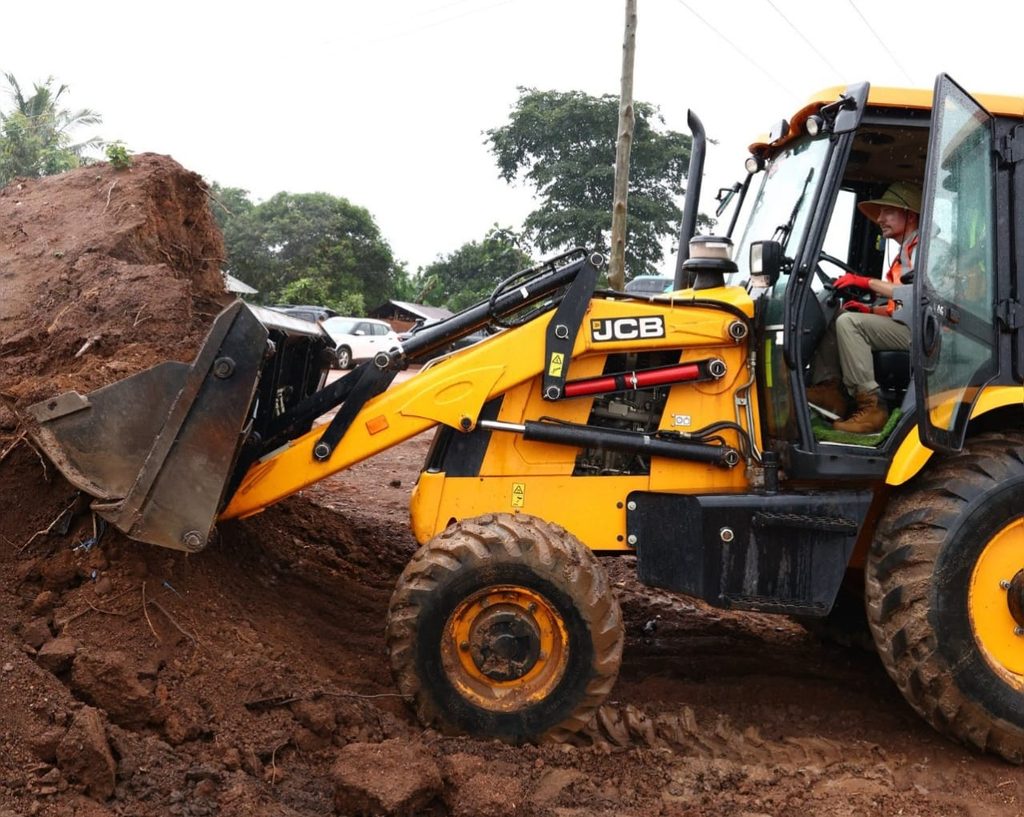
Abna Dakwa Village, located in Ghana’s Eastern Region, was developed on previously undeveloped land. The facilities are intended to improve access to essential services and create opportunities for residents.
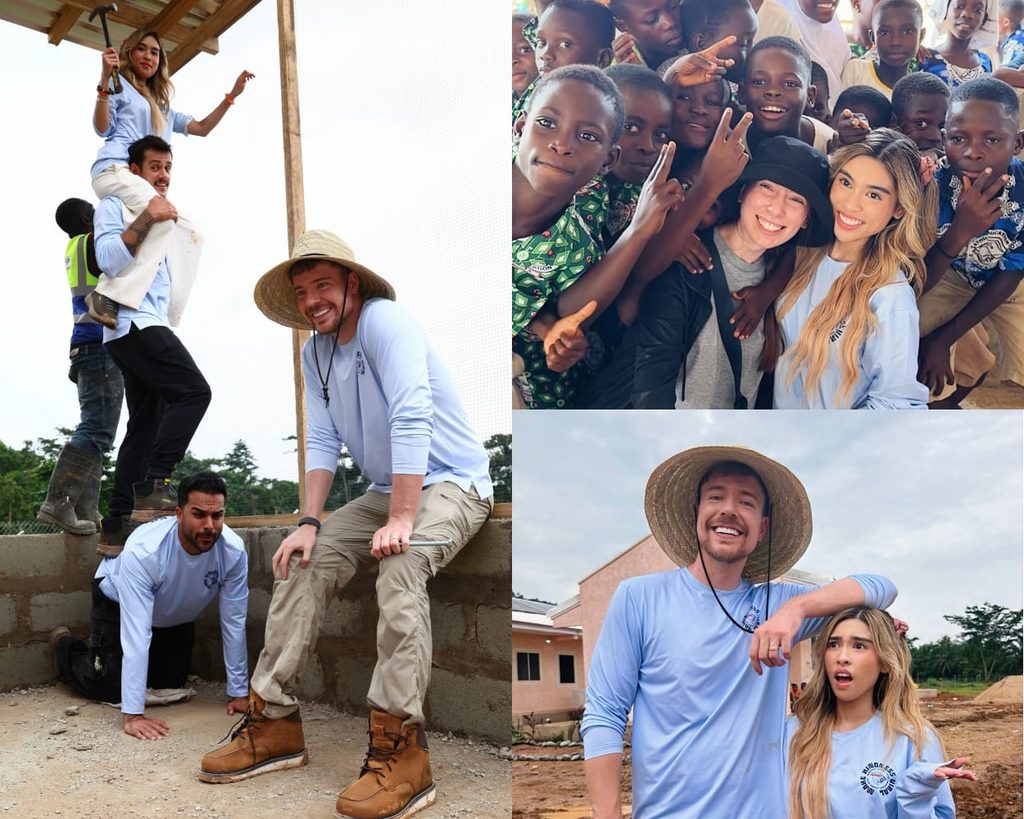
The development includes a school designed for more than 300 students, 10 teacher homes, a medical clinic, a marketplace and sanitation facilities. Water infrastructure and solar power are also part of the project. Agricultural facilities, including fish tanks and a chicken coop, are intended to support local food production and economic activity.
These investments address challenges that can affect children’s education and household welfare. Teacher accommodation, for instance, can help attract educators to communities where housing is limited. Similarly, access to healthcare, clean water and electricity can reduce the daily pressures facing families.
Nevertheless, infrastructure is only the starting point. A school does not automatically remove the financial pressures that lead some families to depend on children’s labour. The project’s long-term value will depend on whether its facilities remain accessible, functional and adequately funded.
Why Cocoa Child Labour Remains a Difficult Problem
Child labour in cocoa production is linked to household poverty, limited livelihood options and seasonal demand for farm labour. These pressures can expose children to work that interferes with their education, health and development.
Beast Philanthropy’s Ghana Child Labor Initiative identifies systemic poverty, volatile cocoa prices and limited access to essential services as contributing factors. The organisation reports that 1.56 million children are engaged in child labour across cocoa-growing regions of Ghana and Côte d’Ivoire. It also reports child labour involvement in 45 per cent of agricultural households in Ghana’s cocoa communities. These figures should be attributed to the organisation’s published programme information.
The risks extend beyond missed school days. Children involved in hazardous cocoa production may carry heavy loads, handle sharp agricultural tools or encounter harmful agrochemicals. Such activities can threaten their safety and limit their educational opportunities.
The wider global picture reinforces the scale of the challenge. Estimates published by the International Labour Organization (ILO) and UNICEF in June 2025 found that nearly 138 million children were engaged in child labour worldwide in 2024. Approximately 54 million were in hazardous work.
Ending child labour therefore requires more than removing children from workplaces. Families also need conditions that allow them to meet essential needs without depending on children’s earnings or unpaid labour.
School Meals Connect Education to Household Welfare
One of the most significant elements of the Ghana project is the planned provision of free school meals for five years.
On September 17, 2026, The Rockefeller Foundation announced a partnership with Beast Philanthropy to support regenerative school meal programmes in Ghana’s Eastern Region and Kenya’s Bomet County. The five-year initiative aims to provide approximately 4,000 children with lunches five days a week across the two countries.
In Ghana, the programme connects school feeding with local food production. Partners include CARE, Fairtrade Africa, the West Akyem Co-operative Cocoa Farmers and Marketing Union, and the Gold Coast Nutrition Fund. The approach also involves expanding agroforestry and growing food crops for school meals.
Regular meals can improve children’s nutrition and encourage school attendance. Meanwhile, purchasing food from local farmers can create demand for agricultural produce and support economic activity.
However, the results will depend on consistent delivery, adequate nutrition, reliable funding and effective local management. The partnership illustrates how philanthropy can combine community investment with food systems expertise to support education and local livelihoods.
The Responsibility of Cocoa Buyers and Manufacturers
Although MrBeast’s global following has brought attention to the project, child labour in cocoa production cannot be addressed through philanthropy alone.
Farmers operate within a supply chain shaped by production costs, crop yields, market prices and buyers’ purchasing practices. When household incomes are insufficient, families may struggle to afford education, food and healthcare or pay adult workers during demanding farming periods.
Companies sourcing cocoa therefore have a role in supporting responsible production. This includes improving supply-chain visibility, identifying child-protection risks, supporting farmer livelihoods and investing in effective monitoring systems.
Beast Philanthropy’s wider Ghana programme recognises this connection. Alongside community development, it outlines plans for ethical sourcing, multi-year purchasing relationships, fair-trade arrangements and a living-income reference price for participating farmers. It also describes a child labour monitoring and remediation system intended to identify vulnerable children and follow up on cases.
These measures connect social investment with the economic realities of cocoa production. Schools and health facilities can improve living conditions, but farmers also need viable livelihoods and reliable market relationships.
The ILO’s Climate Cocoa Project offers a useful comparison. Implemented in Ghana between March 2025 and February 2026, the project combined climate-smart farming, livelihood support, improved school infrastructure and community-based child-protection mechanisms. It also promoted biochar made from cocoa pod husks to improve soil fertility and agricultural productivity.
The approach demonstrates how farming practices, stronger livelihoods and child protection can reinforce one another. For cocoa businesses, responsible sourcing must extend beyond checking whether suppliers comply with policies. It requires sustained engagement with the communities and households behind the product.
Measuring Impact Beyond the Launch
The scale of the Abna Dakwa investment is considerable. However, the amount spent and the number of facilities built cannot, on their own, establish whether the project has reduced child labour.
A credible assessment will require evidence over time. Relevant indicators include school enrolment and attendance, children’s involvement in hazardous work, household income, access to healthcare and the continued operation of community facilities.
It will also be important to establish who will maintain the infrastructure, how residents will participate in decisions and whether the community can sustain essential services beyond the initial funding period.
Beast Philanthropy says its wider Ghana initiative is designed around a minimum five-year commitment across 11 cocoa-farming communities. Its stated approach includes household support, community-based monitoring and a gradual transition towards local ownership. These commitments will need to be assessed through documented results.
Independent monitoring is particularly important because children may continue working outside school hours even when attendance improves. Assessments should therefore examine actual working conditions rather than rely exclusively on enrolment figures or infrastructure delivery.
Transparency about setbacks will matter too. Publishing results, explaining how concerns are addressed and involving community members in evaluations can help establish whether the intervention is delivering lasting benefits.
Read Also: Ghana and Japan Are Turning Cocoa Waste Into a New Sustainability Opportunity
A Community Investment With Wider Implications
MrBeast’s Ghana village demonstrates how high-profile philanthropy can attract resources to a longstanding social challenge. Its combination of education, healthcare, water, food and livelihood infrastructure recognises that children’s welfare is closely connected to the conditions in which their families live.
Yet, child labour cannot be solved by building facilities alone. Lasting progress requires household economic security, accessible education, effective child-protection systems and responsible commercial relationships throughout the cocoa supply chain.
For sustainability leaders, the central question is whether the investment can generate measurable results, remain financially viable and contribute to approaches that other communities and businesses can adopt. That will require continued cooperation between philanthropic organisations, cocoa farmers, governments, civil society and the companies that depend on cocoa.
Ultimately, the success of Abna Dakwa Village will be measured not only by what has been built, but by whether children can remain in school, families can earn a decent living and the community can sustain those gains. For an industry facing longstanding child-labour concerns, those outcomes offer a more meaningful measure of progress.
| DON’T JUST ANNOUNCE YOUR IMPACT. PROVE IT. CSR REPORTERS helps organisations verify, assess, document and communicate the real impact of their CSR and sustainability initiatives. Project Verification | Beneficiary Feedback | Impact Assessment | Impact Storytelling | Stakeholder Engagement Have an initiative worth documenting? Let us verify it. Document it. Tell the story. Talk to CSR REPORTERS enquiries@csrreporters.com 📞 Call/WhatsApp: 0803 401 2198 | 0903 329 6374 | 0905 024 4468 | 0803 209 8499 www.csrreporters.com |