ROSEMARY IMOBHIO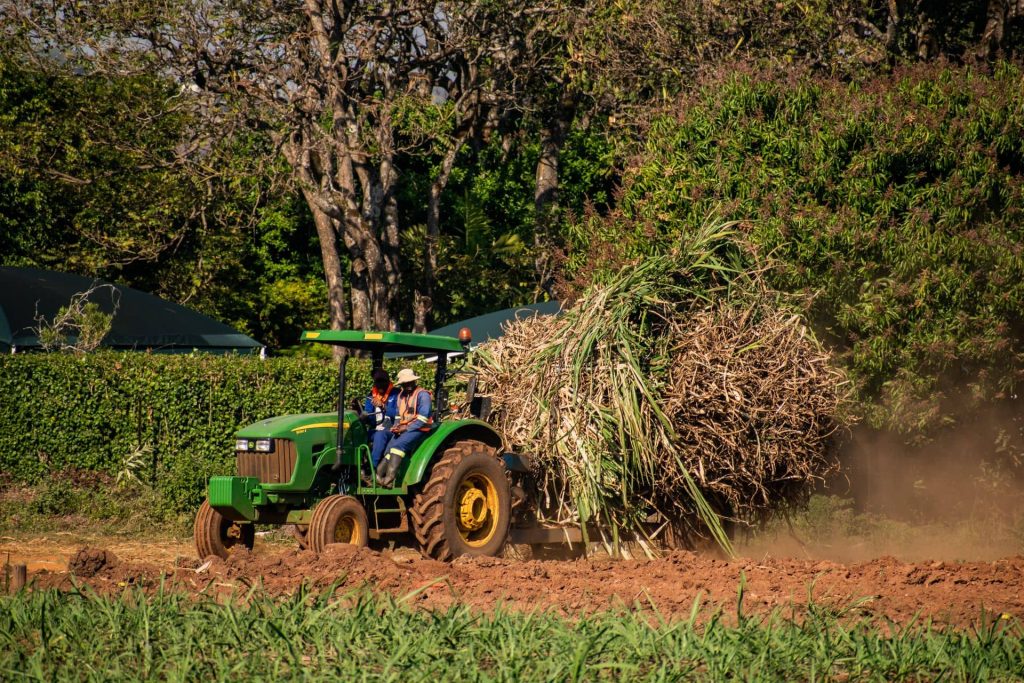
Agribusiness leaders, investors and policymakers gather in Uyo from 25 to 28 October with a familiar ambition. They want Nigeria to process more of what its farmers grow before it leaves the country.
The fifth Agribusiness Roundtable International Conference arrives as the same argument shapes Nigeria’s mineral policy. In agriculture, however, the test goes beyond export statistics. The question is whether processing can lift farm incomes, create decent work and protect land and water.
What Uyo Is Promising
The Nigeria Agribusiness and Agro-Industry Development Initiative, South-South Region, and the Federation of Agricultural Commodity Associations of Nigeria organise the event. The Federal ministries and the Akwa Ibom State Government are collaborating. Organisers expect more than 500 executives, alongside governors, ministers and financial institutions.
Priorities include agro-processing plants, storage, packaging, mechanisation and cold-chain facilities. Discussions will also cover blended and climate finance, plus access to African Continental Free Trade Area markets.
Why Raw Exports Cost Nigeria
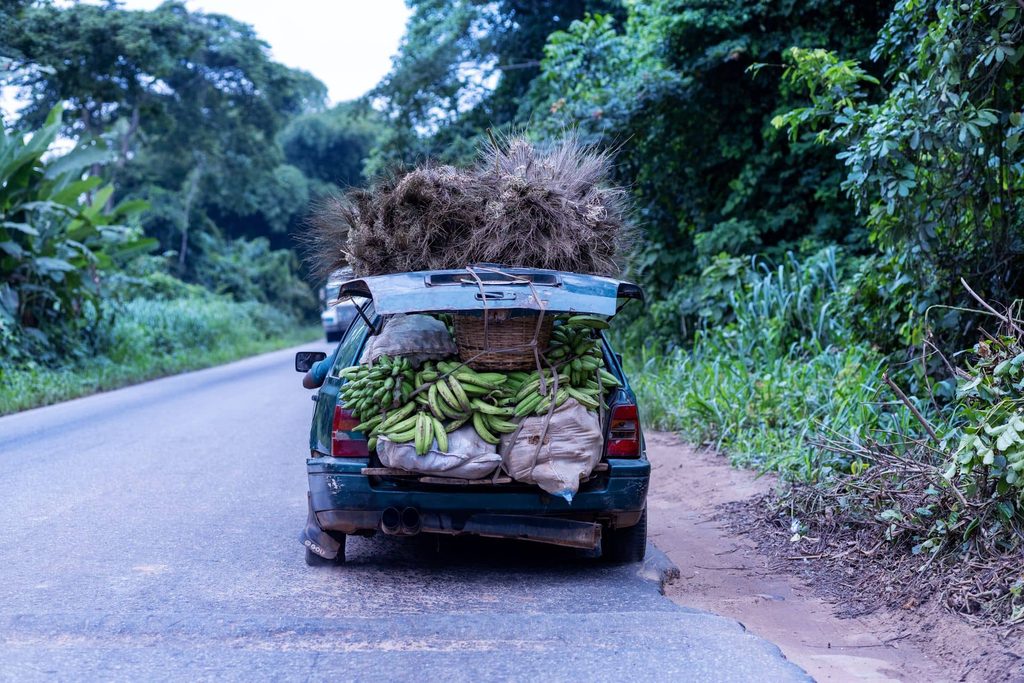
The Nigerian Economic Summit Group estimates post-harvest losses at 30 to 40 per cent for several food commodities. Farmers often sell quickly at low prices during peak harvest because storage and nearby processing are scarce.
Previous reports say that Nigeria processes under 13 per cent of its cocoa locally. It also says that Vietnam earns about $3.5 billion from processing Nigerian cashews in 2022, against roughly $250 million in Nigerian raw cashew earnings.
Such figures show the scale of value leaving the country. They do not prove Nigeria can capture it quickly. Processing needs reliable power, affordable long-term finance and a steady supply of raw material.
A Policy Mix Still Taking Shape
In July, Agriculture Minister Abubakar Kyari said the government’s objective is value addition rather than a raw cocoa export ban. In cashew, the government adopted an industry roadmap instead of a ban, and processors say unrestricted foreign buying pushes up raw nut costs. Meanwhile, a proposed $500 million agricultural fund for the Niger Delta, could widen the pipeline of projects.
Read: FG Rolls Out One Million Cocoa Seedlings to Revive Nigeria’s Cocoa Industry
What Should Farmers and Communities Gain?
More processing does not automatically mean more public benefit. Several questions will decide whether Uyo’s discussions matter beyond the conference hall.
Farmers first. Will processors buy from smallholders at fair prices and on reliable terms? Without contracts and storage, the pressure to sell cheaply at harvest remains.
Decent work. Processing can create jobs, but safety, wages and skills training determine their quality.
Environment. Processing consumes energy and water and produces waste. The conference lists climate-smart farming, sustainable land use and renewable energy as topics. So participants should expect measurable targets. Large-scale crop expansion also raises land tenure and biodiversity risks. Akwa Ibom’s announced oil palm programme of 620,000 seedlings makes those safeguards relevant locally.
Follow-through. Past editions offer a useful benchmark. A Centre for Innovation and Sustainable Agriculture was announced in 2022, and the fourth edition in 2025 again listed its groundbreaking. Public reporting reviewed for this article did not confirm its completion. Organisers could resolve that question by publishing the project’s status.
Practical indicators of progress include:
- farm-gate prices and share of output sold under contract
- reductions in post-harvest losses
- jobs created, wages and injury rates
- processing capacity commissioned and operating
- water, energy and waste data from processors
- participation of women and young people
Deals Must Become Factories
Experts CSR Reporters spoke to note that such gatherings matter only if talks produce investments, operating businesses, market agreements and jobs. That standard is fair. Success should be judged on commissioned facilities, higher farm incomes, safer jobs, lower losses and verified environmental compliance.
Organisers, state and federal governments, financiers and development partners all share responsibility for reporting those results. A conference can announce a pipeline. Only a plant that buys from farmers, pays workers fairly and protects the land can show it works.
For continued reporting on responsible business, economic development and environmental accountability across Africa, follow CSR Reporters.
[give_form id="20698"]