Nigeria and China Sign $30 Million Grant: Which Communities Will Actually Benefit?
 ONYINYECHI NWAIGBA
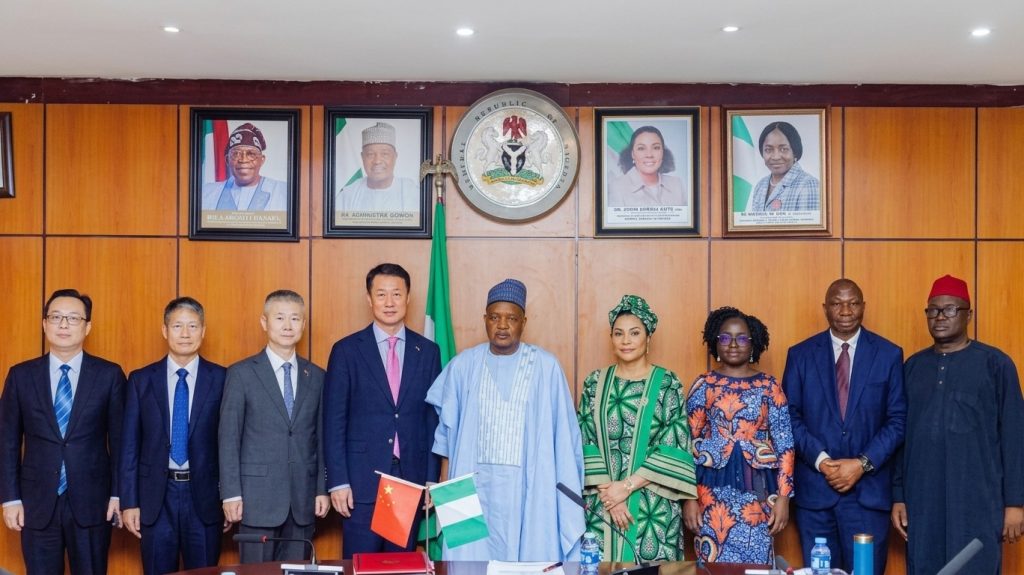
Nigeria and China have signed a 200 million yuan grant agreement, valued at approximately $30 million, to support community-based development projects across the country. While the funding is expected to target local needs and improve livelihoods, questions remain about project selection, equitable distribution, implementation and how the promised benefits will be measured.
Development is often discussed in terms of large investments, national infrastructure and economic growth targets. But for many Nigerians, its real meaning is much closer to home: access to clean water, functional healthcare facilities, better schools, improved rural infrastructure and opportunities to earn a sustainable income.
These are the kinds of everyday needs that determine whether economic development is actually improving people’s lives.
Nigeria and China have now taken another step towards strengthening cooperation in this area through a grant agreement worth 200 million Chinese yuan, approximately $30 million, for community-focused development projects.
The agreement was signed on October 29, 2026, at the Federal Ministry of Budget and Economic Planning in Abuja by representatives of both governments.
The funding will support projects under China’s “Small but Beautiful” development initiative, which focuses on relatively small-scale interventions designed to deliver practical results and directly improve the livelihoods of local communities.
Nigeria’s Minister of Budget and Economic Planning, Abubakar Bagudu, said the government was working with the Nigeria-China Strategic Partnership Office to develop projects proposed by state governments to address specific community needs.
He also emphasised the importance of ensuring that development agreements produce measurable improvements in people’s living conditions rather than remaining diplomatic commitments.
For a country with significant infrastructure gaps and development inequalities, the initiative presents an opportunity to direct resources towards communities that need them. However, the bigger question is how the money will be allocated, which projects will receive support and whether the people most in need will actually benefit.
What the $30 Million Grant Is Intended to Achieve
The grant falls under the Nigeria-China Development Cooperation framework and is intended to finance mutually agreed community development projects.
China’s Small but Beautiful approach focuses on interventions that may require relatively modest investments but can deliver practical benefits to people.
Rather than concentrating exclusively on large-scale infrastructure, the approach creates room for projects that address specific local challenges and improve access to essential services.
Depending on the projects eventually selected, such interventions could support areas such as community infrastructure, public services, livelihoods and local economic development.
However, the specific projects to be financed under the new agreement, their locations and individual allocations have not yet been publicly detailed in the announcements reviewed.
This distinction matters because the overall grant amount does not tell Nigerians what will actually be built, who will receive support or how many people will benefit.
For the funding to make a meaningful difference, project selection must be based on identifiable community needs, realistic implementation plans and the potential to deliver lasting benefits.
Why Grassroots Development Matters
Nigeria’s development challenges are not experienced equally across the country.
While some urban areas have access to relatively established infrastructure and public services, many rural and underserved communities continue to face difficulties accessing clean water, healthcare, quality education, reliable roads and economic opportunities.
These gaps affect household welfare and can limit the ability of communities to participate in the wider economy.
For example, a community without dependable access to clean water may face additional health risks and spend significant time and money obtaining water for daily activities.
A poorly equipped primary healthcare facility may struggle to provide basic services, while inadequate rural roads can make it more difficult for farmers to transport agricultural produce to markets.
Small-scale development interventions can help address such problems when projects are carefully selected and properly implemented.
A modest investment in water infrastructure, for instance, could improve access for households in a community. Support for local agricultural processing could help farmers reduce post-harvest losses, while improvements to community healthcare facilities could strengthen access to essential services.
The value of grassroots development lies in its ability to address problems that may not always attract attention through larger national development programmes.
However, the effectiveness of such interventions depends on understanding what individual communities actually need rather than assuming that the same projects will produce equal benefits everywhere.
The Connection to Nigeria’s 8,809 Wards
During the announcement, Bagudu highlighted the Federal Government’s Renewed Hope Ward Development Plan, which seeks to identify economic opportunities and development needs across Nigeria’s 8,809 wards.
The initiative involves mapping local economic activities, resources and opportunities to help guide more targeted development interventions.
The ward-based approach is important because development planning that begins with local conditions can help policymakers identify challenges that may be overlooked by broader national assessments.
A community with strong agricultural potential, for example, may require better storage facilities, irrigation or market access. Another may need improved healthcare infrastructure, vocational training or support for local enterprises.
By identifying these differences, government agencies can develop interventions that reflect the circumstances of individual communities.
The connection between the ward development plan and the China grant is therefore significant. If project proposals are properly informed by local economic and social conditions, the funding could support more targeted interventions.
However, the reference to 8,809 wards should not be interpreted to mean that every ward will automatically receive funding from the $30 million grant.
The government has not announced that the grant will be distributed equally across all wards or provided a breakdown of the communities expected to benefit.
The important issue is how the projects will be selected and whether underserved communities will receive fair consideration during the process.
Will the Funding Reach the Communities That Need It Most?
One of the biggest challenges with development funding is ensuring that resources reach their intended beneficiaries.
A grant agreement may be signed at the national level, but the communities expected to benefit are often far removed from the institutions responsible for managing the funds.
This creates the need for transparent project selection, clear allocation procedures and meaningful community participation.
State governments have reportedly submitted project proposals for consideration under the agreement. However, residents need to know which projects have been accepted, what criteria will determine their selection and how the final beneficiaries will be identified.
There should also be clear attention to communities facing significant development disadvantages, including rural settlements with limited access to basic services.
Women, young people, persons with disabilities and low-income households should be considered during project planning, particularly where interventions are expected to improve livelihoods or access to public services.
Community participation is equally important.
Residents should have opportunities to communicate their most pressing needs, understand what a proposed project is expected to deliver and monitor its progress.
When communities are involved in identifying and overseeing development projects, it becomes easier to establish whether interventions are addressing actual problems or simply responding to priorities determined elsewhere.
Signing the Agreement Is Only the Beginning
The October agreement is an important step, but it is not evidence that the funded projects have already been completed or that communities have started receiving benefits.
There is a difference between announcing development funding, selecting projects, releasing resources, completing construction and delivering services that people can depend on.
Each stage requires proper coordination and accountability.
The Federal Ministry of Budget and Economic Planning will need to work with the relevant Chinese institutions, state governments and implementing agencies to ensure that approved projects move from proposals to implementation.
Project timelines, procurement arrangements, implementation responsibilities and monitoring procedures will also need to be clearly communicated.
This is particularly important for community-level projects because poor planning or inadequate supervision can reduce their usefulness.
For example, constructing a water facility without establishing who will maintain it could leave residents with infrastructure that becomes unusable after a short period.
Similarly, renovating a healthcare facility without ensuring access to equipment, essential supplies and qualified personnel may limit the improvement in healthcare services.
Development projects should therefore be assessed not only by whether they are completed but also by whether they remain functional and provide the services they were intended to deliver.
How Will Nigerians Measure the Impact?
The Federal Government has emphasised the need for measurable development outcomes, but this requires specific indicators that Nigerians can use to assess progress.
For the $30 million grant, such indicators should include the number of projects approved, the communities selected, the amount allocated to individual interventions and the proportion of funding successfully deployed.
The government should also report how many people benefit from completed projects and whether access to essential services improves.
For community infrastructure, relevant indicators could include the number of households gaining access to clean water, the number of healthcare facilities upgraded, the number of communities receiving improved infrastructure and the number of people benefiting from livelihood programmes.
For economic interventions, progress could be measured through businesses supported, jobs sustained or created, improvements in local productivity and changes in household income.
Regular public updates would allow residents, civil society organisations and development partners to assess whether the project is delivering its intended results.
Independent monitoring and evaluation could also help identify implementation challenges early and establish whether public development priorities are being achieved.
Importantly, the government should make clear how the grant will be managed and what safeguards will be used to ensure that resources are spent for their intended purposes.
A development initiative should not be judged only by the amount of money secured. Its value lies in what the money makes possible.
The Importance of Long-Term Community Benefits
The Small but Beautiful approach places emphasis on projects that can produce practical benefits without necessarily requiring enormous investments.
This can be useful for addressing local development needs, especially where a relatively modest intervention can make a significant difference to everyday living conditions.
However, the long-term value of these projects will depend on sustainability.
Communities should not receive infrastructure that becomes unusable because maintenance responsibilities were not established or the resources required to operate it were unavailable.
Local institutions and community representatives should therefore be involved in planning how completed projects will be managed and maintained.
Where appropriate, local contractors, suppliers and workers should also be given opportunities to participate in project delivery.
This could help retain some of the economic benefits within the communities while developing local skills and enterprise capacity.
The government should also ensure that the projects complement existing development programmes rather than duplicate interventions already underway in the same locations.
Coordination across federal, state and local institutions will be important in avoiding unnecessary overlap and ensuring that available resources address genuine gaps.
Beyond the $30 Million: Delivering Development That People Can See
The Nigeria-China grant agreement presents an opportunity to direct additional resources towards community-level development and strengthen cooperation between the two countries.
Its potential value lies in addressing practical challenges that affect households, businesses and local economies, particularly in communities where access to essential infrastructure and services remains limited.
But the signing of an agreement is only the beginning of that process.
Nigerians need clarity about the projects that will receive funding, the communities that will be prioritized, the implementation timelines and the institutions responsible for delivering results.
The government must also demonstrate how the money is being used and whether the funded interventions are improving people’s living conditions.
For communities, the measure of success will not be the announcement of a $30 million grant or the number of meetings held between government representatives.
It will be whether more households gain access to clean water, whether local infrastructure improves, whether small businesses become more productive and whether vulnerable residents experience meaningful improvements in their daily lives.
Ultimately, development funding must move beyond signed agreements and become visible, accessible and sustainable progress.
The real test of this Nigeria-China partnership will be whether the resources reach the communities they are intended to serve and whether the benefits remain long after the projects have been completed.
[give_form id="20698"]