

Nigeria’s Cocoa Exports to the US Jump 554%. Can Farmers and Local Businesses Benefit?
 ONYINYECHI NWAIGBA
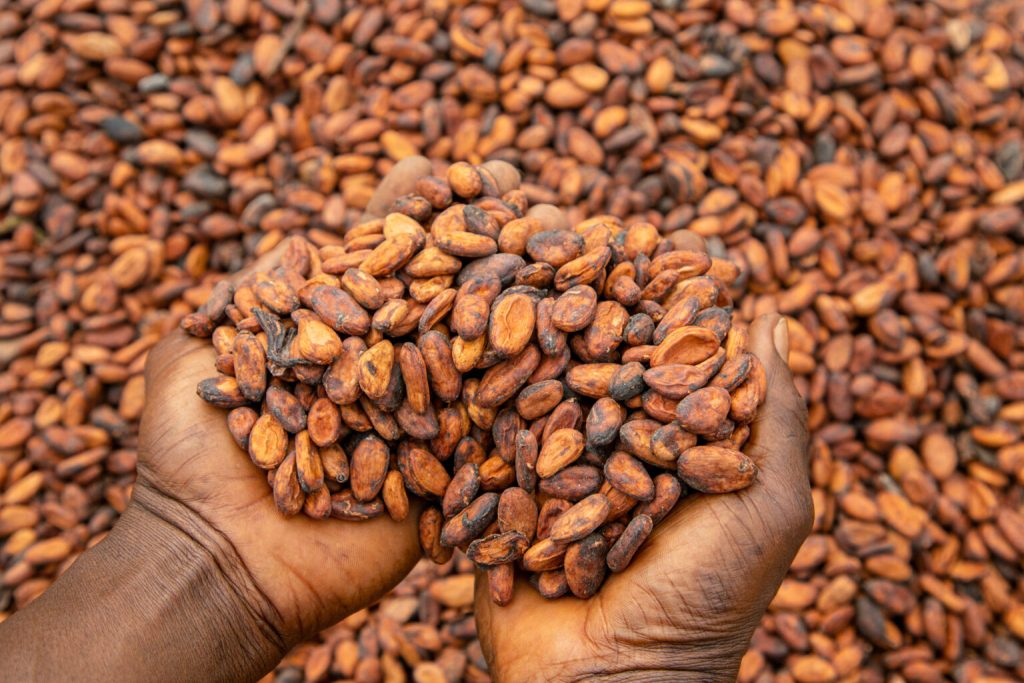
Nigeria’s cocoa exports to the United States rose from $21.7 million in 2024 to $142 million in 2025. The increase presents an opportunity for the country’s agricultural sector, but the bigger question is whether farmers, local processors and small businesses will benefit from the growing international market.
Nigeria’s cocoa industry has recorded a significant increase in export earnings from the United States, bringing fresh attention to the country’s potential to grow its agricultural exports beyond oil.
According to figures disclosed by the United States Mission in Nigeria, the value of Nigeria’s cocoa bean exports to the US rose by 554 per cent, increasing from $21.7 million in 2024 to $142 million in 2025. The development points to a stronger export opportunity for one of Nigeria’s important agricultural commodities.
The figures are encouraging at a time when the country is seeking to strengthen non-oil exports, attract investment into agriculture and create more economic opportunities for Nigerians. However, the increase also raises an important question: how much of this growth will translate into better livelihoods for the people who grow, process and trade cocoa?
For Nigeria, the opportunity is bigger than exporting more cocoa beans. It is about building an industry that can generate income for farmers, support local businesses, create jobs and retain more of the value of cocoa within the country.
What Does the 554 Per Cent Increase Mean?
The reported increase means the value of Nigerian cocoa bean exports to the United States grew considerably between 2024 and 2025. The rise could reflect a combination of factors, including international demand, cocoa prices, export activity and changes in the value or quantity of shipments.
However, export value should not be confused with export volume. The figures alone do not tell us whether Nigeria shipped 554 per cent more cocoa by weight, nor do they establish how much additional income farmers received.
This distinction matters because a rise in the international value of a commodity does not automatically mean everyone in its supply chain benefits equally.
For cocoa farmers, earnings depend on factors such as the price they receive at the farm gate, how much they produce, the cost of fertilisers and other farm inputs, labour expenses, transportation and the quality of their harvest. Exporters and processors operate under different cost structures and may experience the benefits differently.
The figures therefore provide a positive signal for Nigeria’s cocoa trade, but more information is needed to determine how much of the increase reflects higher prices, increased shipments or other market changes.
Even with these limitations, the development highlights the importance of cocoa as Nigeria explores ways to earn more from agricultural production and expand its presence in international markets.
Why Cocoa Matters to Nigeria’s Economy
Cocoa is more than an agricultural export. It supports a network of economic activities involving farmers, produce buyers, transport operators, storage providers, exporters, processors and other businesses.
When demand for Nigerian cocoa increases, opportunities may emerge across this network. Farmers could have access to more buyers, exporters could increase their operations, and businesses providing storage, logistics and quality-control services could see demand for their services grow.
Cocoa also offers Nigeria an opportunity to diversify its sources of foreign exchange. Depending heavily on a narrow range of export commodities can expose the economy to changes in global prices and demand. Expanding agricultural exports can help broaden the country’s sources of international earnings.
But the long-term benefit will depend on Nigeria’s ability to build a productive, competitive and reliable cocoa industry. A strong export figure in one year is encouraging; a sector that consistently supports farmers, attracts investment and creates local jobs would be more meaningful.
The Farmers Behind the Export Numbers
At the centre of the cocoa industry are the farmers whose work makes these exports possible.
Cocoa cultivation requires time, labour, land, careful farm management and investment in maintaining productive trees. Farmers also face challenges that can affect both their harvests and their earnings, including changing weather patterns, pests and diseases, rising input costs and limited access to affordable finance.
For smallholder farmers, selling cocoa can be complicated by transportation expenses, storage challenges, limited market information and dependence on intermediaries. Where farmers have little bargaining power or few available buyers, a stronger international market may not translate into a proportionate increase in the prices they receive.
This is why the growth in export value should prompt questions beyond how much Nigeria is selling abroad.
Are cocoa farmers receiving fair and reliable prices? Do they have access to improved seedlings, training, finance and modern farming methods? Are cooperatives and producer groups helping them negotiate better terms? Can farmers sell good-quality cocoa without losing too much of their earnings to transportation and other costs?
These are important questions because the sustainability of the industry depends on the people producing the crop.
If higher export earnings are accompanied by improved farm productivity, stronger market access and better incomes, the benefits could extend to rural households and communities. If these improvements do not happen, the industry risks recording impressive trade figures while many producers continue to struggle.
Why Local Cocoa Processing Is Important
Nigeria’s growing export market also comes at a time when the Federal Government is promoting greater local processing and value addition in the cocoa sector.
At the Cocoa Value Addition Summit in July 2026, the government highlighted its ambition to strengthen domestic processing, manufacturing and branding so that Nigeria can retain a greater share of the value generated by its cocoa.
The Ministry of Agriculture and Food Security subsequently clarified that the government’s objective was to promote value addition, not impose a blanket ban on raw cocoa exports. Raw exports, it said, would continue to play a role while local processing capacity expands.
This distinction is important. Nigeria can continue to serve international buyers while building the capacity to produce more cocoa-based ingredients and finished products at home.
Raw cocoa beans are used to make cocoa liquor, cocoa butter and cocoa powder, which can then be used in chocolate, beverages, baked goods, cosmetics and other products. Processing and manufacturing can create additional business opportunities beyond farming and exporting the unprocessed crop.
For example, a stronger domestic processing industry could create demand for factory workers, technicians, packaging companies, equipment suppliers, transport services and quality-assurance professionals. Small and medium-sized businesses may also find opportunities to supply ingredients, provide logistics or develop locally made cocoa products.
Nigeria could also develop stronger local brands and explore markets for products that command greater value than raw agricultural commodities.
However, this transition requires investment. Processing facilities need reliable electricity, suitable equipment, skilled workers, consistent supplies of quality cocoa, access to finance and dependable routes to market. Businesses must also meet the standards required by domestic and international buyers.
The goal should not simply be to process cocoa locally, but to build competitive businesses that can operate sustainably and create value for the wider economy.
The Opportunities for Small Businesses and Young Nigerians
The cocoa industry is often viewed mainly as a farming or export business, but its supply chain offers opportunities for a much wider range of enterprises.
Small businesses can explore storage, transportation, packaging, farm-input distribution, equipment maintenance and digital services that connect farmers with buyers. Entrepreneurs with the necessary skills and resources may also consider cocoa powder, cocoa butter, chocolate and other processed products.
There are opportunities in improving how cocoa is grown, collected, stored, tested, transported and marketed. Businesses that help producers reduce waste, maintain quality or meet buyers’ requirements can contribute to a more efficient industry.
Young Nigerians may also find career opportunities in agricultural technology, food science, manufacturing, export documentation, quality assurance, supply-chain management and product development.
These opportunities will not emerge automatically from the export figures. They depend on investment, business support, technical training, access to markets and an environment in which enterprises can grow.
Still, the reported increase provides a reason for entrepreneurs and investors to pay closer attention to the cocoa value chain and identify where their skills, services or products could meet genuine industry needs.
The Challenges Nigeria Must Address
Growing export demand is an opportunity, but Nigeria must address structural challenges if it wants the cocoa industry to deliver lasting economic benefits.
First, productivity needs attention. Farmers require access to improved planting materials, practical training, finance and reliable agricultural support. Better productivity can help increase supply and improve the ability of farmers to earn from their land.
Second, infrastructure remains important. Poor roads, unreliable electricity, inadequate storage and high transportation costs can make it harder to move cocoa efficiently and process it competitively. These costs affect farmers, traders and manufacturers alike.
Third, access to finance can determine whether businesses expand. Cocoa processors may need substantial funding for machinery, facilities, working capital and compliance with quality standards. Small businesses and farmers also need financing that reflects the realities of agricultural production, including seasonal income and the time required for investments to generate returns.
Fourth, Nigeria must strengthen quality assurance and traceability. International buyers need confidence that cocoa meets their requirements for quality, safety and responsible production. Better systems for tracking cocoa from farms to buyers can support market access and help businesses respond to changing international standards.
Climate resilience is another concern. Cocoa production depends on suitable growing conditions, and changing rainfall patterns, heat, pests and diseases can affect yields. Supporting farmers with appropriate agricultural practices and better access to information will be important for maintaining production over time.
Finally, policy decisions must be carefully managed. Expanding local processing may create jobs and retain more value in Nigeria, but processing capacity, financing, infrastructure and reliable markets must develop alongside any changes to export policy. Abrupt restrictions on raw exports, without sufficient domestic buyers or processing capacity, could create difficulties for producers and traders.
The objective should be a stronger cocoa industry, not simply a change in where the beans are sold.
Measuring Whether the Growth Is Reaching Nigerians
The 554 per cent increase in cocoa export value is a useful indicator of Nigeria’s growing trade opportunity. But it is only one part of the picture.
To assess the industry’s real impact, policymakers and stakeholders need to look at additional measures. These include the quantity of cocoa exported, prices received by farmers, changes in farmers’ incomes, the number of people employed across the value chain, investment in local processing and the value of processed cocoa products exported.
It is also important to examine whether smallholder farmers and rural communities are benefiting, rather than relying only on national export totals.
Businesses investing in processing should be assessed not just by the size of their facilities but by their ability to create decent jobs, purchase cocoa from local producers, meet quality standards and operate sustainably. Government support should also be judged by measurable outcomes, including improved infrastructure, access to finance and stronger agricultural productivity.
These indicators can help show whether export growth is producing wider economic and social benefits or primarily increasing the value of trade.
For a country seeking to diversify its economy, accountability matters. Strong figures deserve recognition, but they should also lead to questions about who benefits, what has changed and whether the gains can be sustained.
From Cocoa Exports to Lasting Economic Value
Nigeria’s cocoa exports to the United States rising from $21.7 million in 2024 to $142 million in 2025 is a significant development for the country’s agricultural trade. It points to an opportunity to strengthen non-oil exports and build a more competitive position in the international cocoa market.
But the real test will be what Nigeria does with that opportunity.
Can farmers earn more predictable and fair incomes? Can local businesses process more cocoa and compete in domestic and international markets? Can investment generate jobs and develop new skills? Can government policies support exporters while encouraging value addition without disrupting the livelihoods that depend on the sector?
Answering these questions requires more than celebrating a percentage increase. It requires investment in farmers, infrastructure, processing, finance, market access and transparent measurement of results.
Nigeria has an opportunity to move beyond selling a valuable crop and build a stronger industry around it. If the right conditions are created, cocoa can support not only export earnings but also rural livelihoods, local manufacturing, entrepreneurship and employment.
The next measure of success should therefore not be only how much Nigerian cocoa reaches the United States, but how much lasting value the country creates from every harvest.
DON’T JUST ANNOUNCE YOUR IMPACT. PROVE IT.
CSR REPORTERS helps organisations verify, assess, document and communicate the real impact of their CSR and sustainability initiatives.
Project Verification | Beneficiary Feedback | Impact Assessment | Impact Storytelling | Stakeholder Engagement
Have an initiative worth documenting? Let us verify it. Document it. Tell the story.
Talk to CSR REPORTERS
enquiries@csrreporters.com
📞 Call/WhatsApp: 0803 401 2198 | 0903 329 6374 | 0905 024 4468 | 0803 209 8499
www.csrreporters.com