ONYINYECHI NWAIGBA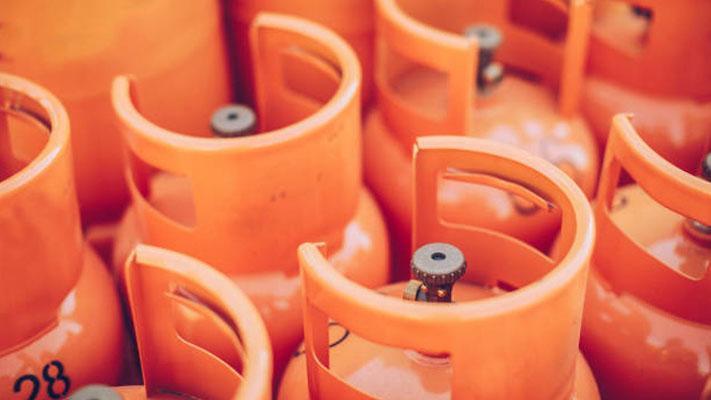
As NLNG targets a 50% increase in domestic cooking gas production by 2027, the bigger test will be whether increased supply can translate into better access, affordability and cleaner cooking for Nigerians.
Nigeria’s cooking energy story has long been shaped by a difficult contradiction: the country has significant natural gas resources, yet millions of households still struggle to access affordable and reliable cooking gas.
That gap could begin to narrow as Nigeria LNG Limited (NLNG) targets a 50% increase in its domestic liquefied petroleum gas (LPG) production by 2027.
The company currently produces about 500,000 tonnes of LPG annually and is targeting approximately 750,000 tonnes per year by 2027.
On paper, the increase represents a significant addition to Nigeria’s domestic cooking gas supply. But the real impact will depend on what happens after the gas leaves the production facilities.
For households, restaurants, small businesses and other users that depend on LPG for cooking, the question is not simply whether Nigeria will produce more gas.
It is whether that additional supply will be available where people need it, when they need it and at a price they can afford.
From production to the kitchen
Nigeria has spent years trying to increase the use of LPG as part of efforts to improve access to cleaner cooking energy.
LPG generally produces fewer harmful pollutants than firewood, charcoal and other traditional solid fuels when used properly. Increasing access to it can therefore support efforts to reduce dependence on cooking methods that contribute to household air pollution and pressure on forests.
But expanding LPG use requires more than increasing production.
The country needs adequate storage facilities, transportation networks, coastal and inland distribution infrastructure, filling plants and retail outlets capable of moving the product efficiently across different parts of the country.
This is where the next phase of Nigeria’s LPG growth becomes important.
If production rises without corresponding improvements across the distribution chain, increased supply may not automatically translate into lower prices or easier access for consumers.
The journey from a gas processing facility to a household kitchen involves several stages, and weaknesses at any point can affect the final cost paid by consumers.
Why the 2027 target matters
NLNG’s planned increase comes at a time when Nigeria is trying to deepen domestic gas utilisation rather than treating natural gas primarily as an export commodity.
The company has progressively increased its focus on supplying LPG to the domestic market. Since 2022, NLNG has dedicated its butane production to the Nigerian market.
That shift is significant because domestic supply can reduce dependence on imported LPG and potentially provide greater stability in the local market.
However, domestic production does not completely shield consumers from other factors affecting prices.
Transportation costs, storage, exchange-rate pressures, distribution margins, infrastructure limitations and seasonal changes in demand can all influence what consumers eventually pay.
This means the success of the expansion should not be measured only by the number of tonnes produced.
It should also be measured by how much of that additional supply reaches consumers efficiently.
The affordability question
For many Nigerian households, the decision to use LPG is not simply an environmental one.
It is an economic decision.
A household may prefer cooking gas but still rely partly on firewood, charcoal or kerosene when LPG becomes too expensive or when access to a nearby refill point is limited.
This makes affordability central to the clean-cooking conversation.
Increasing supply could help ease some supply constraints, but the relationship between production and retail prices is not automatic.
For the additional 250,000 tonnes targeted by 2027 to make a meaningful difference, the wider LPG market will need to be capable of absorbing and distributing the increased volume.
That includes sufficient storage capacity, efficient transportation and a distribution network that can reach consumers beyond major urban centres.
Without those supporting systems, the benefits of increased production could remain concentrated around areas with stronger infrastructure.
Infrastructure will determine the reach
Nigeria’s LPG market has expanded considerably, but infrastructure remains one of the issues that will determine how effectively the country can scale domestic consumption.
Storage capacity matters because gas needs to be available close enough to major consumption centres.
Transportation matters because LPG must move safely and efficiently from production and storage facilities to distributors and retail outlets.
Distribution matters because even when sufficient gas is available nationally, consumers in different regions can experience very different levels of access.
This makes investment across the LPG value chain just as important as increasing production itself.
The planned expansion therefore presents an opportunity to look at Nigeria’s cooking energy system as a whole.
More production can create the supply base. Infrastructure determines how far that supply can travel.
A clean cooking opportunity
There is also a broader sustainability dimension to the development.
Nigeria’s transition towards cleaner cooking cannot happen through awareness campaigns alone. People need practical alternatives that are available, reliable and affordable.
For households currently dependent on traditional cooking fuels, access to LPG can offer an alternative that is cleaner at the point of use.
That does not make LPG a zero-emission energy source, and the wider energy transition will continue to require investment in other clean cooking technologies.
But in the near term, expanding access to cleaner-burning cooking fuels can form part of a broader effort to reduce exposure to household air pollution and reduce dependence on biomass fuels.
The environmental impact also extends beyond individual kitchens.
Greater reliance on commercial cooking fuels can reduce pressure on forests where wood harvesting is driven partly by household energy needs. However, that benefit depends on whether households can actually afford and consistently access the alternative.
The opportunity beyond households
The impact of increased LPG availability is not limited to domestic kitchens.
Restaurants, food vendors, hospitality businesses and other commercial users also depend heavily on cooking energy.
For these businesses, energy costs can directly affect operating expenses and the prices of meals and services.
A more predictable LPG supply could therefore have implications across the wider economy.
For commercial users, reliability can be just as important as price. A restaurant that cannot obtain cooking gas when needed faces operational disruptions, while a food vendor dealing with unpredictable energy costs has fewer options for managing margins.
A stronger domestic LPG supply chain could help reduce some of these pressures if the benefits are passed through the market.
What needs to happen before 2027
The planned increase in production provides an opportunity, but the next two years will be important.
Nigeria will need continued investment in LPG storage and distribution infrastructure, stronger logistics systems and wider access to retail points.
Safety must also remain part of the expansion.
As more households and businesses adopt LPG, proper cylinders, storage practices, transportation standards, filling facilities and consumer education become increasingly important.
A larger LPG market must therefore grow alongside the systems required to use the fuel safely.
There is also a need for better visibility across the value chain.
Understanding where supply shortages occur, where distribution costs are highest and which communities remain underserved can help direct infrastructure investment to areas where it can have the greatest impact.
The bigger measure of success
NLNG’s target of increasing LPG production from about 500,000 tonnes to 750,000 tonnes annually represents a substantial increase in domestic supply.
But production figures alone will not tell the full story.
The more meaningful measure will be what happens at the other end of the chain.
Can a household in a major city refill its cylinder more reliably? Can a food business plan around more predictable cooking fuel costs? Can consumers in underserved areas gain easier access? Can cleaner cooking become a realistic option for more Nigerians rather than something available mainly to households that can afford it?
Those are the outcomes that will determine whether increased production becomes a wider social and environmental gain.
Nigeria has the gas resources to support a larger domestic LPG market. The challenge now is ensuring that production growth is matched by the infrastructure, affordability, safety and distribution systems needed to turn that resource into everyday access.
By 2027, the most important number may therefore not be how much LPG Nigeria produces.
It may be how many more Nigerians can actually depend on it.
[give_form id="20698"]