CHUKS OLUIGBO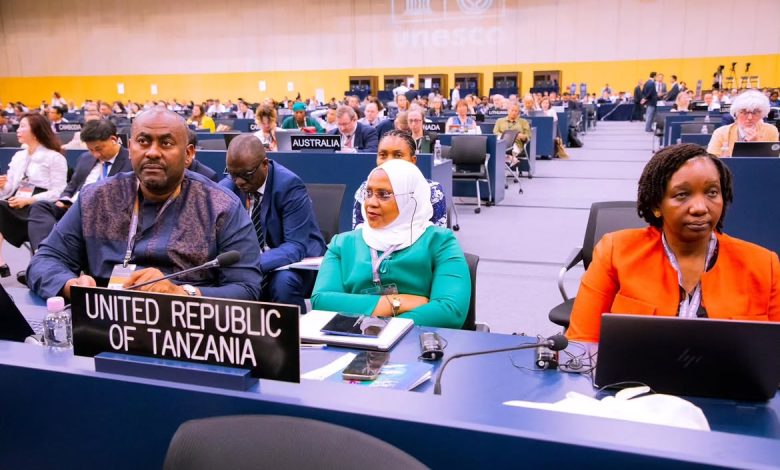
Image credit: Daily News
Tanzania is investing in infrastructure and strengthening conservation and protection of its World Heritage sites aimed at creating a more conducive environment for sustainable tourism.
The country’s Minister for Natural Resources and Tourism, Dr. Ashatu Kijaji, made this known during talks with UNESCO’s advisory body on the conservation of natural World Heritage sites on the sidelines of the 48th Session of the UNESCO World Heritage Committee in Busan, South Korea.
During the talks on Thursday, July 23, Dr. Kijaji outlined government measures to strengthen the protection and management of Tanzania’s World Heritage properties.
What Tanzania Is Doing
Dr. Kijaji said major road improvement projects were underway in both the Serengeti National Park and the Ngorongoro Conservation Area to improve transport efficiency and visitor services without undermining environmental conservation.
The two are just examples of the government’s investment in infrastructure and conservation efforts to create a more conducive environment for sustainable tourism.
According to her, the government also plans to use hard-surface technology in road construction within the two protected areas to provide greater durability, reduce maintenance costs, and support long-term conservation efforts.
Why It Matters
Tanzania is host to seven official UNESCO World Heritage Sites. These include four natural sites – the 14,763-square kilometre Serengeti National Park, Ngorongoro Conservation Area, Kilimanjaro National Park, and Selous Game Reserve – as well as three cultural sites – Stone Town of Zanzibar, Ruins of Kilwa Kisiwani and Songo Mnara, and Kondoa Rock-Art Sites.
Together, these sites contribute to environmental and natural protection, cultural and historical preservation, and economic and social benefits, from conserving ecosystems and biodiversity to fighting climate impact, driving tourism, creating jobs, and generating revenue for the government to fix critical infrastructure.
If Tanzania walks its talk on this commitment, the country will be balancing biodiversity conservation with sustainable tourism development while safeguarding its internationally recognised natural heritage for future generations.
[give_form id="20698"]