CHUKS OLUIGBO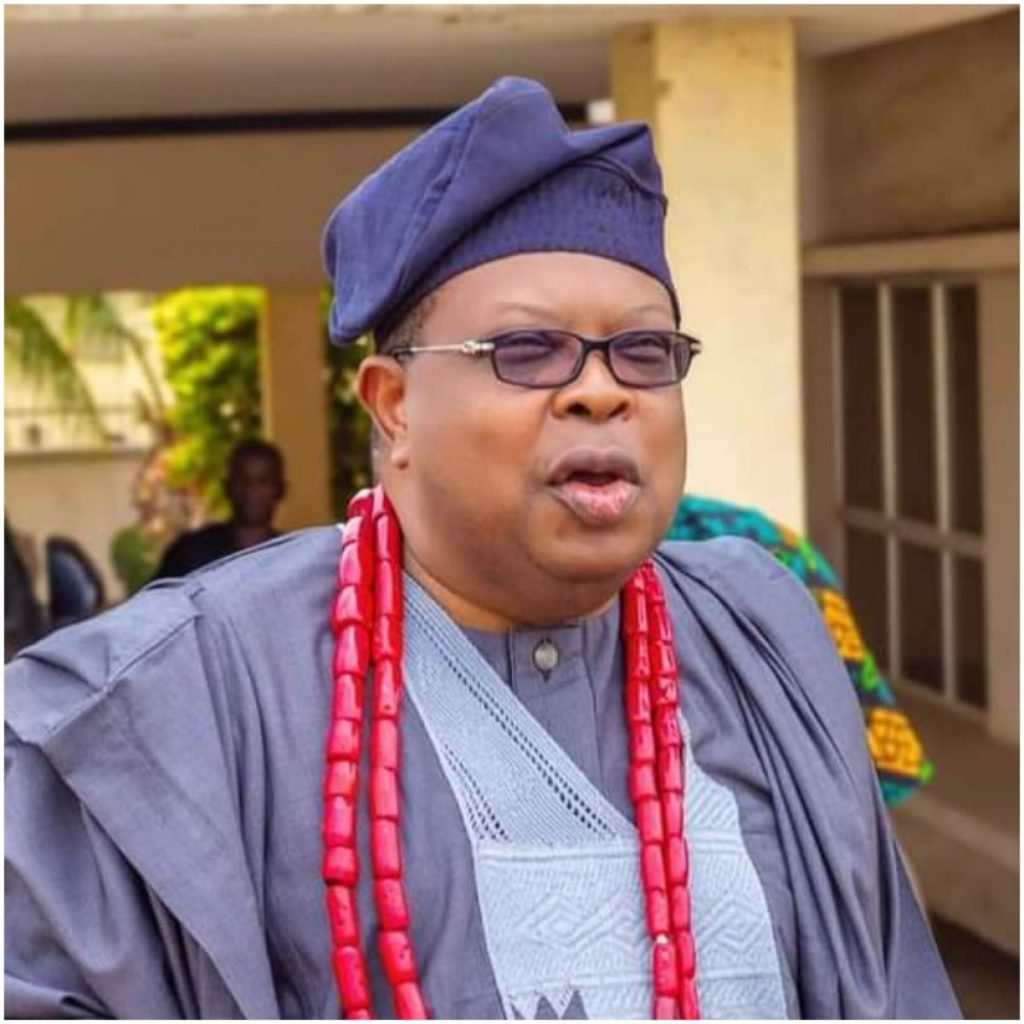
Joseph Tegbe, Nigeria's new Minister of Power
Nigeria’s new Minister of Power, Joseph Olasunkanmi Tegbe, took office on June 8, committing to diligent reforms in a sector saddled with decades-old challenges that have kept it below its potential.
Tegbe inherits a sector crippled by a confluence of severe challenges, from gas supply constraints to crippling liquidity and market debts, outdated and inadequate grid infrastructure, rampant vandalism, and regulatory/governance bottlenecks.
Decades of reforms, investments and policy interventions have yielded no significant value and inadequate power supply continues to constrain the country’s economic ambitions. Grid collapses are frequent. Businesses spend billions of naira annually on diesel and petrol generators to power their machines, adding up to production costs and reducing competitiveness, and households suffer long hours of blackouts.
For Tegbe, therefore, the task is enormous. Well beyond merely improving electricity generation, the new minister will need to rebuild confidence in the entire value chain while ensuring that the sector contributes meaningfully to sustainable development.
Here are key steps the new minister must take:
Fix the Erratic National Grid
The persistent instability of the national grid is perhaps the most visible challenge in Nigeria’s power sector. The national grid collapsed 12 times in 2024, four times in 2025, and two times since the beginning of this year, disrupting economic activities and undermining public confidence.
The minister will need to prioritise investments in transmission infrastructure, modern grid management systems, and network resilience. Without a stronger transmission network, improvements in generation capacity will have limited impact because electricity cannot reach consumers efficiently.
Bridge the Generation-Distribution Gap
Nigeria’s installed electricity generation capacity, at approximately 13,625 MW, significantly exceeds the electricity that ultimately reaches homes and businesses. Systemic bottlenecks have limited actual operational capacity, with the highest power ever successfully generated and delivered to the national grid peaking at 5,801.84 MW. The problem lies in the disconnect between generation, transmission and distribution.
Many power generation companies complain of inadequate offtake, while distribution companies struggle with technical losses, commercial losses and weak infrastructure. Resolving these bottlenecks will require coordinated reforms across the value chain, better investment frameworks, and stronger accountability mechanisms.
Tackle the Liquidity Crisis
Nigeria’s power sector is plagued by chronic liquidity crisis. With market participants owed legacy debts and revenue shortfalls estimated between N3.3 trillion and N7 trillion, it becomes difficult for operators to invest in infrastructure upgrades and maintenance.
To unlock this logjam, the new minister must work with regulators, the Ministry of Finance, and market operators to create a financially sustainable electricity market. Cost-reflective tariffs, targeted subsidies for vulnerable consumers, and improved revenue collection mechanisms will likely remain central issues.
Importantly, the N4 trillion debt resolution plan by the government to clear legacy invoices and restore the banking credibility of GenCos and DisCos must be followed through.
Address Metering and Revenue Collection
Only about 6.9 million (or 58.5 percent) of Nigeria’s over 12 million active electricity consumers are metered, leaving the rest unmetered and subjected to estimated billing. This situation continues to generate disputes between customers and DisCos.
The new minister will have to work to expand metering programmes as accurate billing enhances consumer confidence as well as strengthens revenue collection, which is essential for the sector’s sustainability.
Expand Electricity Access
With 85 million to 90 million Nigerians, especially in the rural areas, lacking access to reliable electricity, Nigeria occupies the unenviable position as the country with the largest electricity access deficit in the world. Therefore, expanding energy access is not only an imperative, it is urgent for economic inclusion, poverty reduction, and social development.
The minister will be expected to accelerate rural electrification through mini-grids, solar systems, and decentralised energy solutions, especially in underserved communities where extending the national grid may not be economically viable.
Attract Investment into the Sector
To achieve a reliable, round-the-clock electricity supply, Nigeria is estimated to require over $100 billion in combined public and private investments across generation, transmission, distribution, and gas infrastructure. However, investors often point to barriers such as regulatory uncertainty, weak market structures, and revenue risks.
To attract both domestic and international capital to the sector, the task before Tegbe will be to create a predictable policy environment, ensure contract sanctity, and strengthen regulatory institutions.
The ESG Imperative
Beyond resolving the legacy issues in Nigeria’s power sector, the new minister will be under pressure to align the sector with Environmental, Social and Governance (ESG) principles, especially with global conversations increasingly focusing on climate resilience, social inclusion, and transparency.
Environmental Responsibility
Nigeria remains heavily dependent on fossil fuels for electricity generation amid growing demand for cleaner energy solutions. Moreover, in the absence of reliable electricity supply, many Nigerian businesses and households rely on generators, which contribute significantly to air pollution, greenhouse gas emissions, and noise pollution.
While natural gas will continue to play a significant role in the country’s energy mix, there is an urgency to support investments in renewable energy, particularly solar, wind and small hydro projects. Expanding clean energy access can help reduce emissions, improve energy security, and support Nigeria’s climate commitments.
Social Impact
At its core, electricity is a social issue. Reliable power improves healthcare delivery, enhances educational outcomes, supports job creation, and boosts productivity. Its absence affects hospitals, schools, small businesses, and households, deepening inequality between communities with access to alternative power sources and those without.
An ESG-focused power agenda must prioritise affordability, energy access, and equitable distribution of electricity services. Communities that have historically been underserved should not be left behind in the country’s energy transition.
Governance Excellence
With no less than US$30 billion invested in Nigeria’s power sector in the last 30 years, according to Proshare, the sector continues to suffer serious hiccups, calling attention to governance practices. What exactly was this money meant for? How was it disbursed? Who got what? What results did it achieve? These are the kind of questions that investors, development finance institutions, and citizens would be asking as they increasingly demand transparency and accountability.
Recently, a former Minister of Power was convicted over the diversion of funds intended for major hydroelectric projects, highlighting the importance of transparency and accountability in the sector.
The new minister, therefore, will need to demonstrate strong governance standards, improve project oversight, and ensure that public resources allocated to power infrastructure deliver measurable outcomes. Beyond the number of megawatts generated and distributed, his success will also be measured by the quality of governance reforms implemented across the sector.
Looking Ahead
Joseph Tegbe’s new job is not an enviable one. He inherits a sector in dire need of transformation, one that has defied decades of massive investments and frustrated governments, businesses and citizens.
In assuming office, Tegbe, a fiscal and economic reform expert with over 35 years of experience spanning the public and private sectors, has committed to a structured power sector reform strategy anchored on execution discipline, clear milestones, and public accountability. He has announced some early engagements with critical sector agencies and other stakeholders as well as some preliminary results. The destination, he said, is around-the-clock reliable and affordable electricity for every Nigerian home, business, and industry.
While Tegbe appears to be giving the right signals, building an economically viable, socially inclusive, and environmentally sustainable power sector demands more than signals. It requires a coordinated, multi-pronged overhaul spanning structural reforms, financial discipline, infrastructure upgrades, and a long-term commitment to ESG principles.
Ultimately, the new minister will be assessed not by the number of promises made, policies announced, committees inaugurated, or stakeholder engagements held. The real measure of success will be whether Nigerians experience more hours of reliable electricity, businesses spend less on self-generation, and communities gain access to cleaner and more affordable energy. These outcomes are not beyond reach. Nigeria’s power sector could yet become not just an engine of economic growth but also a model for sustainable development across Africa. Time is ticking.
[give_form id="20698"]