ONYINYECHI NWAIGBA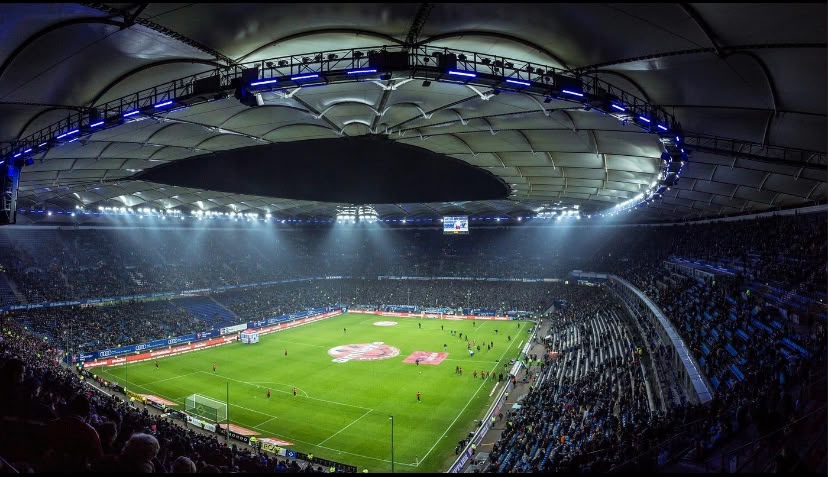
As billions prepare to watch the world’s biggest sporting event, questions about sustainability, inclusion, governance, and long-term community impact deserve equal attention.
Tomorrow, the world will turn its attention to football.
Fans will gather in homes, restaurants, stadiums, and public viewing centres. Social media will be flooded with predictions, celebrations, and debates. For the next several weeks, billions of people across continents will be united by one event: the FIFA World Cup.
The tournament remains one of the most powerful global spectacles ever created. It transcends borders, languages, politics, and cultures. It inspires dreams, fuels national pride, and creates unforgettable moments that become part of sporting history.
Yet as the excitement builds and the countdown reaches its final hours, another conversation deserves attention.
What legacy will this World Cup leave behind?
In today’s world, the success of a major international event can no longer be measured solely by the quality of football on display. Increasingly, governments, businesses, investors, civil society organisations, and citizens are asking broader questions about sustainability, governance, economic inclusion, and social impact.
The World Cup may be about football on the surface, but beneath it lies a much bigger story about how nations manage resources, create opportunities, engage communities, and build lasting value.
The real challenge is not simply hosting the tournament.
The challenge is ensuring that its benefits extend far beyond the final whistle.
A Global Event with Global Responsibilities
The FIFA World Cup is not just a sporting competition. It is one of the largest economic and logistical operations in the world.
Hosting the tournament requires massive investments in infrastructure, transportation, security, accommodation, technology, communications, and public services. Governments work alongside businesses, sponsors, contractors, community groups, and international organisations to prepare for an event that attracts worldwide attention.
With such enormous investment comes enormous responsibility.
Citizens increasingly expect public resources to be managed responsibly. Investors want transparency. Communities want meaningful participation. Civil society organisations demand accountability.
These expectations reflect a broader global shift.
People are no longer interested only in whether major events generate headlines. They want to know whether they generate lasting value.
Beyond Stadiums: The Question of Legacy
One of the most important conversations surrounding modern sporting events is the issue of legacy.
What happens after the crowds leave?
What happens after the cameras are turned off?
What happens after the champions lift the trophy?
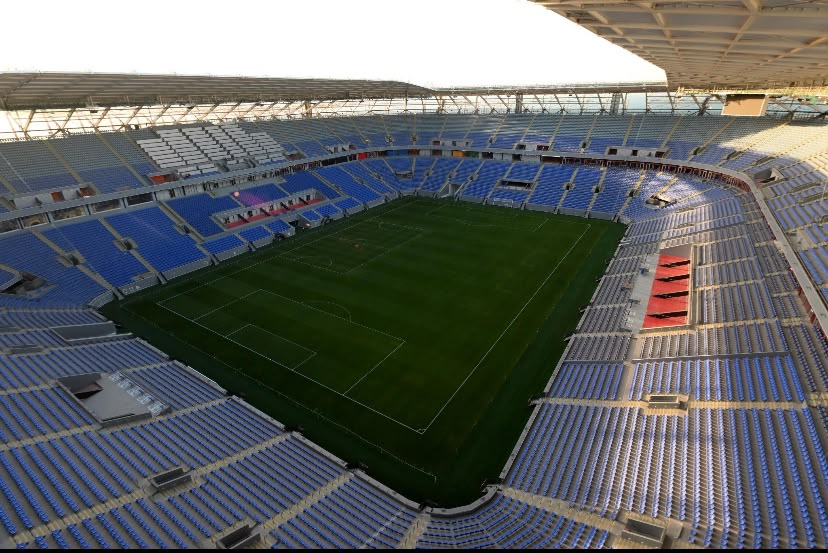
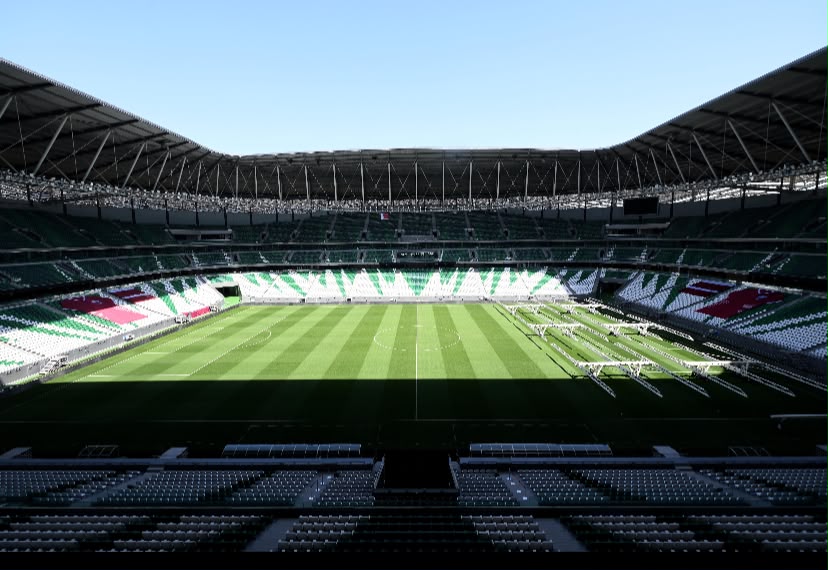
History has shown that major sporting events can produce mixed results.
Some host nations have successfully used tournaments to improve transportation systems, strengthen tourism industries, attract investment, and promote economic growth.
Others have struggled with underutilised infrastructure, maintenance costs, and facilities that no longer serve a practical purpose after the event concludes.
This reality has changed how stakeholders evaluate success.
Today, a successful World Cup is increasingly defined not only by the matches played but also by the long-term benefits created for local communities.
Infrastructure projects should improve the quality of life for residents. Transportation upgrades should continue serving communities long after international visitors depart. Economic opportunities should extend beyond temporary jobs and short-term spending.
The ultimate goal should be sustainable development rather than temporary excitement.
Sustainability Is No Longer Optional
Environmental sustainability has become one of the defining issues of our time.
As governments and businesses work to reduce emissions and advance climate goals, major international events face growing scrutiny regarding their environmental footprint.
The World Cup involves significant movement of people and resources. Millions of supporters travel across countries and continents. Stadiums consume energy. Large-scale operations generate waste and require substantial logistical support.
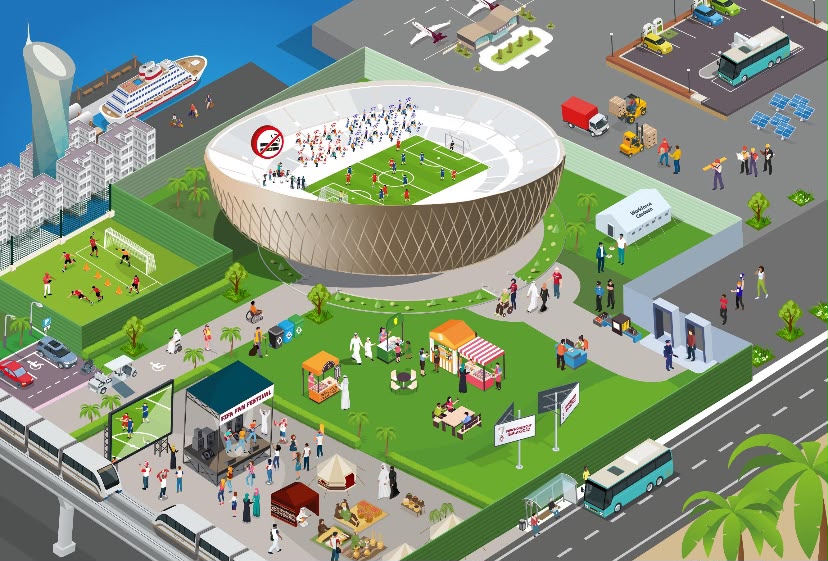
These realities have prompted increasing calls for more sustainable approaches to event management.
Stakeholders now expect organisers to consider energy efficiency, waste reduction, sustainable transportation, responsible construction practices, and environmental stewardship as core components of planning.
The conversation is no longer about whether sustainability matters.
The conversation is about how sustainability can be embedded into every stage of decision-making.
For future generations, this may become one of the most important measures of success for global sporting events.
Economic Opportunities Must Be Inclusive
Supporters of major tournaments often highlight their economic benefits.
The World Cup creates opportunities for tourism, hospitality, transportation, entertainment, retail, and related industries. Businesses experience increased activity. Visitors spend money. Employment opportunities emerge.
These benefits can be substantial.
However, economic growth alone is not enough.
The critical question is who benefits.
Do opportunities reach small businesses and local entrepreneurs?
Do young people gain access to jobs and skills development?
Do women-owned enterprises participate in economic activities linked to the event?
Do underserved communities experience meaningful improvements?
Inclusive growth has become a central principle of sustainable development.
The most successful events are not necessarily those that generate the largest revenues. They are the ones that distribute opportunities broadly and create pathways for long-term prosperity.
As conversations around ESG continue to evolve, inclusion remains one of the most important indicators of meaningful impact.
Governance Matters More Than Ever
The World Cup also highlights the importance of governance.
Large budgets, complex contracts, public investments, and multiple stakeholders create an environment where transparency and accountability are essential.
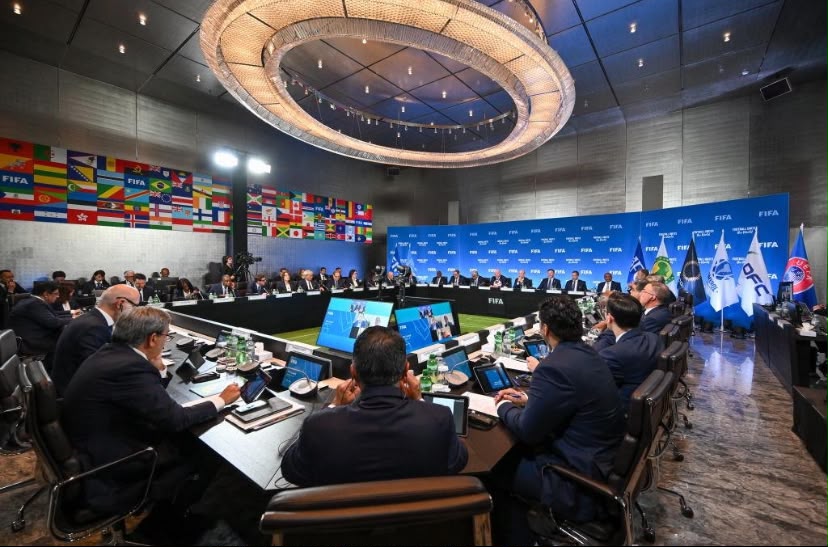
Strong governance helps ensure that resources are allocated effectively, procurement processes are fair, and decisions are made in the public interest.
Weak governance can undermine trust and reduce the value created by major projects.
Around the world, citizens increasingly expect institutions to operate with integrity and openness. These expectations apply not only to governments but also to sporting organisations, corporate sponsors, contractors, and development partners.
The World Cup provides an opportunity to demonstrate what responsible leadership looks like on a global stage.
Good governance may not attract the same attention as a winning goal, but it often determines whether a positive legacy can be sustained.
The Role of Corporate Responsibility
The World Cup is also a major platform for global brands.
Corporate sponsors invest heavily because the tournament offers unparalleled visibility and engagement.
However, visibility brings responsibility.
Consumers today expect more from businesses than products and services. They want evidence of ethical leadership, environmental responsibility, social impact, and community engagement.
As a result, sponsorship is no longer just a marketing exercise.
It has become a reflection of corporate values.
The brands associated with global sporting events have an opportunity to demonstrate leadership by supporting sustainability initiatives, investing in communities, promoting inclusion, and advancing responsible business practices.
The global audience is paying attention.
Increasingly, people are evaluating not only what companies say but also what they do.
Lessons for Africa
For African countries, the World Cup offers valuable lessons that extend far beyond football.
The tournament demonstrates the importance of long-term planning, stakeholder collaboration, infrastructure management, youth development, and strategic investment.
Across the continent, governments continue to pursue ambitious development goals. Cities are expanding. Infrastructure needs are growing. Young populations are seeking opportunities.
The principles that contribute to successful global events are often the same principles that drive sustainable development.
Strong governance.
Inclusive growth.
Responsible investment.
Community participation.
Long-term thinking.
These lessons remain relevant whether the discussion is about sports, transportation, education, healthcare, energy, or economic development.
The World Cup serves as a reminder that sustainable progress requires intentional planning and accountability.
Looking Beyond the Final Whistle

As the tournament begins tomorrow, billions of people will focus on results, rankings, goals, and trophies.
There is nothing wrong with that.
Football has a unique ability to inspire, unite, and entertain.
But while the world celebrates the game, it is also worth paying attention to the broader issues surrounding it.
The World Cup presents an opportunity to rethink how success is defined.
Success should not be measured only by attendance figures or television audiences.
It should also be measured by stronger communities, better infrastructure, inclusive economic opportunities, responsible governance, and environmental stewardship.
When the final whistle eventually blows and the celebrations come to an end, the most important question may not be who won the tournament.
The most important question may be what remains.
If the event leaves communities stronger, creates opportunities for future generations, promotes accountability, and advances sustainable development, then its legacy will extend far beyond football.
And that may ultimately be the victory that matters most.
SEE: MORE THAN A GAME: 30 African Footballers Making Measurable Social Impact
[give_form id="20698"]