ROSEMARY IMOBHIO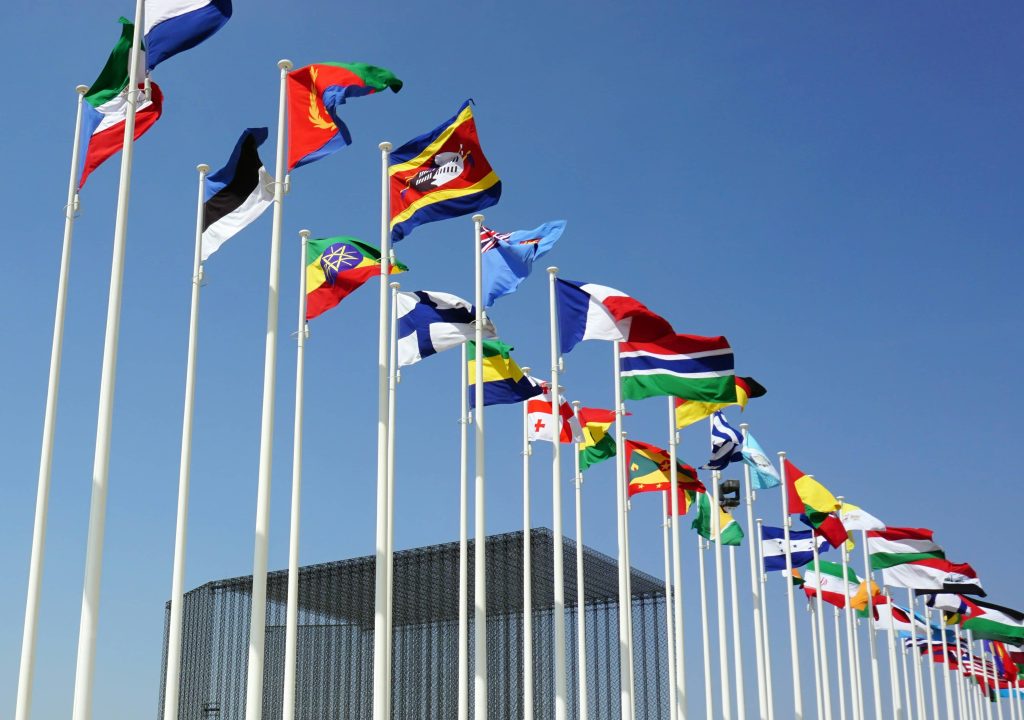
As ocean leaders, policymakers, scientists, investors, and civil society organisations gather in Mombasa, Kenya, from 16 to 18 June 2026, the future of Africa’s oceans is once again in sharp focus. The theme is “Our Ocean, Our Heritage, Our Future.” This 11th Our Ocean Conference (OOC11) comes at a time when countries around the world are facing growing pressure to protect marine ecosystems while supporting economic development.
The conference agenda reflects some of the most urgent sustainability challenges of our time. These include biodiversity loss, climate change, plastic pollution, illegal fishing, and the need for greater investment in sustainable ocean industries. At the same time, the discussions highlight a growing reality. Ocean sustainability is no longer only an environmental concern. Instead, it has become a business, social, and economic priority.
For Africa, the stakes are particularly high. The continent’s coastal and marine resources support millions of livelihoods, contribute to food security and facilitate trade. It also provides opportunities for tourism and renewable energy. However, these resources face increasing threats from pollution, overfishing, habitat destruction, and climate impacts.
Against this backdrop, the conversations taking place in Mombasa offer valuable insights into the future of sustainability, ESG, and responsible business across Africa.
Advancing the Global 30×30 Goal
One of the headline issues at OOC11 is the push to accelerate progress toward the global 30×30 target. This international goal seeks to protect 30 percent of the world’s land and ocean areas by 2030.
Marine Protected Areas, commonly known as MPAs, play a central role in achieving this target. Ghana in April designated one. When properly designed and managed, these protected zones help conserve biodiversity, restore fish populations, and strengthen climate resilience. In addition, they can support local livelihoods through sustainable fisheries and eco-tourism.
The conference is expected to explore practical pathways for expanding marine protection while strengthening cooperation on the High Seas. This discussion comes at a significant moment. In recent years, countries have intensified efforts to implement the High Seas Treaty, which aims to improve governance and conservation in international waters.
For businesses operating in sectors such as tourism, shipping, fisheries, and coastal infrastructure, healthy marine ecosystems are increasingly viewed as an economic asset. Therefore, stronger ocean protection measures are becoming more relevant to corporate sustainability strategies.
Unlocking the Potential of the Blue Economy
Another major focus of the conference is investment in the blue economy. Across Africa, ocean-based industries already provide employment and income for millions of people. Fisheries, aquaculture, maritime transport, coastal tourism, and renewable energy all contribute to economic growth. Nevertheless, experts continue to argue that the continent has only begun to unlock the full potential of its marine resources.
As a result, discussions in Mombasa are expected to examine how governments, development institutions, and private investors can mobilise more capital for sustainable ocean industries.
The issue is gaining attention globally. In recent years, international financial institutions and development partners have increased support for blue economy initiatives. Furthermore, interest in blue bonds and other ocean-focused financing mechanisms has continued to grow.
For companies and investors, the message is becoming increasingly clear. Sustainable ocean industries present opportunities not only for financial returns but also for social and environmental impact.
Ocean-Climate Action Gains Momentum
Climate action remains one of the most important themes at OOC11. Although climate discussions often focus on energy and emissions, oceans play a critical role in regulating the Earth’s climate. They absorb vast amounts of heat and carbon dioxide. Meanwhile, coastal ecosystems such as mangroves, salt marshes, and seagrass meadows serve as powerful carbon sinks.
Consequently, conference participants are expected to highlight the importance of blue carbon ecosystems and nature-based solutions. These discussions are particularly relevant for African coastal communities. Rising sea levels, coastal erosion, flooding, and extreme weather events are already affecting millions of people across the continent. Therefore, investment in ecosystem restoration and climate resilience has become increasingly urgent.
In many countries, mangrove restoration projects are attracting growing attention because they deliver multiple benefits. They support biodiversity, protect shorelines, improve fisheries productivity, and contribute to climate mitigation goals.
At the same time, climate finance remains a critical issue. Many developing countries continue to call for greater support to strengthen adaptation efforts and protect vulnerable coastal populations.
Strengthening Maritime Security and Governance
Sustainable ocean development depends on more than environmental protection alone. Effective governance and maritime security are equally important. For this reason, one of the conference plenaries focuses on building national and global capacity for maritime domain awareness.
Maritime crime continues to pose significant challenges in several regions. Illegal activities at sea can undermine economic development, threaten livelihoods, and weaken investor confidence. As a result, many countries are investing in better monitoring systems, surveillance technologies, and information-sharing frameworks.
Regional cooperation is also expected to feature prominently in discussions. Since oceans connect countries and economies, collaborative approaches are often necessary to address shared challenges. For businesses involved in shipping, logistics, trade, and maritime services, safer and more secure waters contribute directly to economic stability and operational efficiency.
Tackling Illegal Fishing Through Community Action
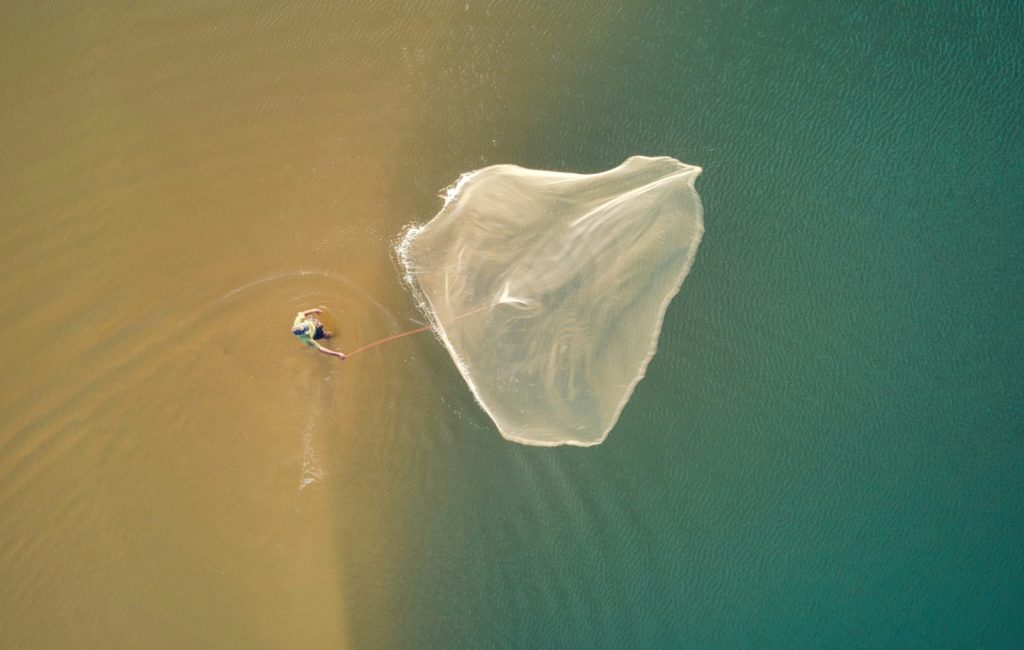
Illegal, Unreported and Unregulated (IUU) fishing remains one of the most serious threats to marine sustainability worldwide. According to international estimates, billions of dollars are lost each year due to illegal fishing activities. Moreover, these practices place additional pressure on fish stocks and undermine the livelihoods of small-scale fishing communities.
At OOC11, delegates will explore how community-led approaches and science-based management can strengthen fisheries governance. This focus reflects a broader shift in sustainability thinking. Increasingly, experts recognise that local communities are not simply beneficiaries of conservation efforts. Instead, they are essential partners in designing and implementing solutions.
Community participation can improve compliance, strengthen local ownership, and support more equitable resource management. Furthermore, protecting artisanal fishers contributes to food security and economic resilience in many coastal regions.
Putting Communities at the Centre of Ocean Action
Another important theme emerging from the conference is the role of local leadership in ocean conservation. Across Africa and beyond, community organisations often possess valuable knowledge about marine ecosystems and resource management. Yet their contributions are sometimes overlooked in policy discussions.
The dedicated plenary on community empowerment seeks to address this gap. It highlights the importance of bottom-up approaches that place local stakeholders at the centre of decision-making. This perspective aligns closely with the social dimension of ESG.
Companies are increasingly expected to engage meaningfully with communities, understand local priorities, and support inclusive development. As a result, successful ocean sustainability initiatives are often those that combine environmental goals with social and economic benefits.
Confronting the Growing Plastic Pollution Crisis
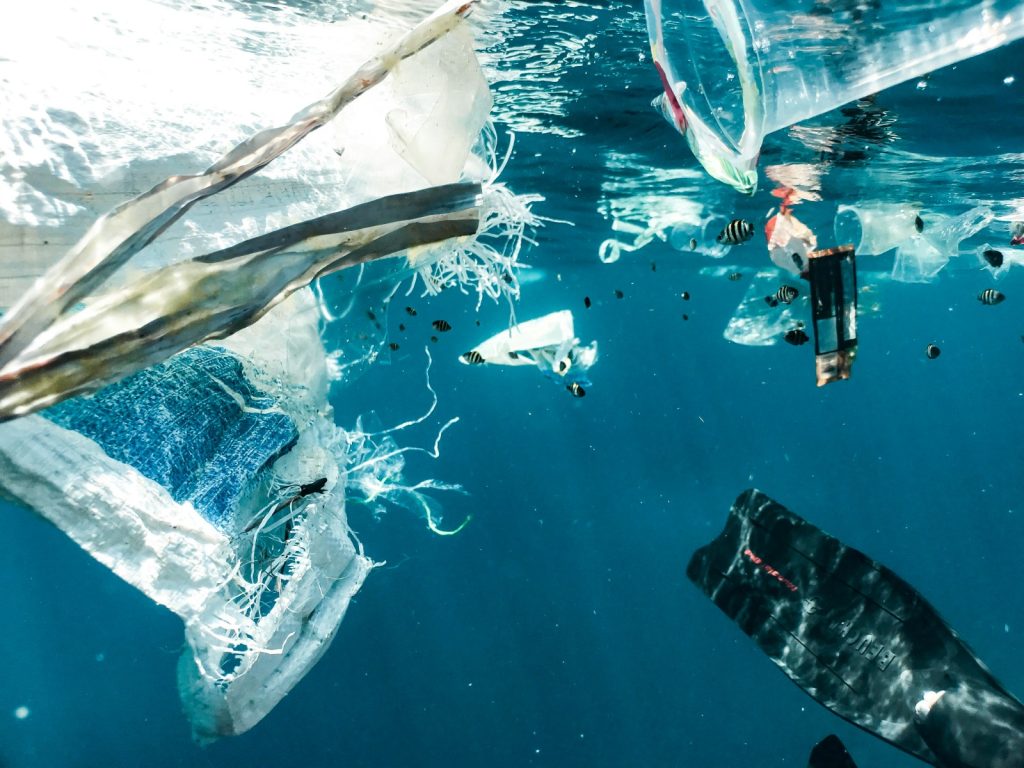
Plastic pollution remains one of the most visible and persistent threats facing the world’s oceans. From discarded fishing gear to microplastics, marine debris affects ecosystems, wildlife, public health, and local economies. Consequently, reducing plastic pollution has become a priority for governments, businesses, and environmental organisations.
The conference will examine strategies to reduce plastic waste at its source while promoting circular economy solutions. In addition, participants are expected to discuss the importance of international cooperation in advancing efforts toward a legally binding global agreement on plastic pollution.
For businesses, this issue carries increasing significance. Consumers, investors, and regulators are placing greater pressure on companies to reduce packaging waste, improve recyclability, and adopt more sustainable production models. Therefore, action on plastic pollution is becoming both an environmental responsibility and a business imperative.
Why the Mombasa Discussions Matter
While OOC11 is taking place in Kenya, its relevance extends far beyond East Africa. Countries across the continent, including Nigeria, face many of the same challenges discussed at the conference. These range from marine pollution and coastal erosion to fisheries management and climate adaptation.
At the same time, Africa’s oceans present enormous opportunities for sustainable growth. However, unlocking those opportunities will require stronger governance, increased investment, scientific innovation, and meaningful community participation.
The conversations in Mombasa demonstrate that ocean sustainability is increasingly becoming a cornerstone of the global sustainability agenda. More importantly, they reinforce the idea that protecting marine ecosystems and building resilient economies are not competing objectives. Rather, they are deeply interconnected goals that will help shape Africa’s future for generations to come.
[give_form id="20698"]