ROSEMARY IMOBHIO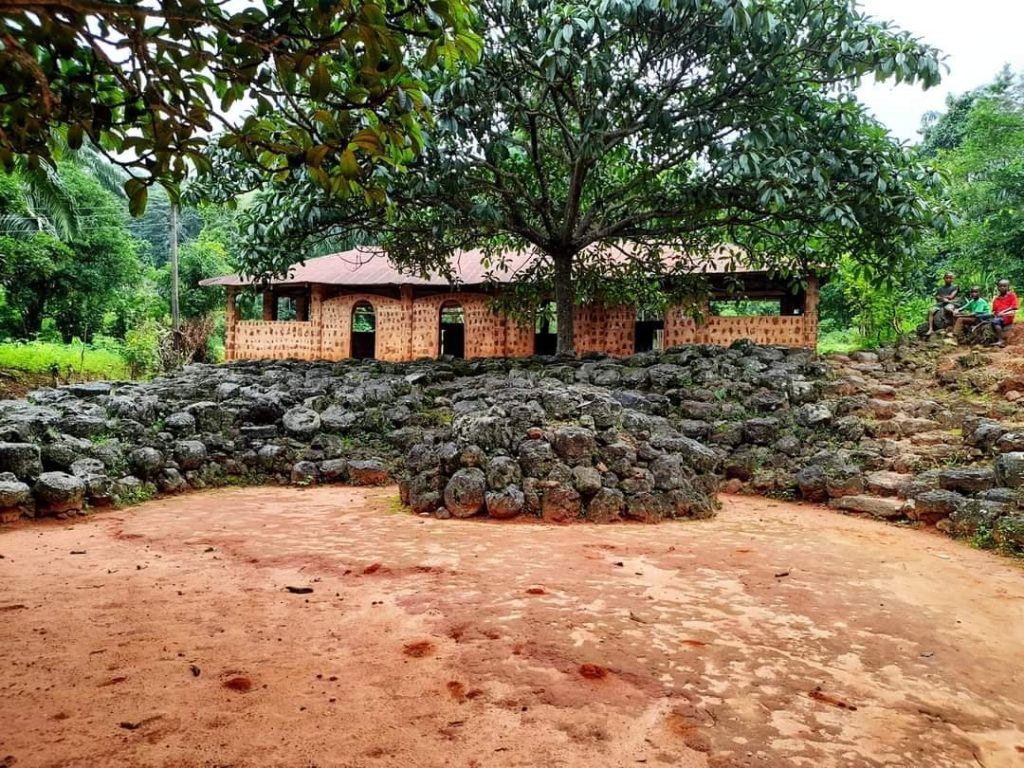
The United States has awarded a $125,000 grant to preserve a 4,000-year-old iron-smelting site in Enugu State. The project positions cultural heritage as a driver of social sustainability, not a footnote to it. Consequently, the Lejja Iron-Smelting Site, dated to roughly 2000 BC, now sits at the centre of an effort with implications well beyond archaeology.
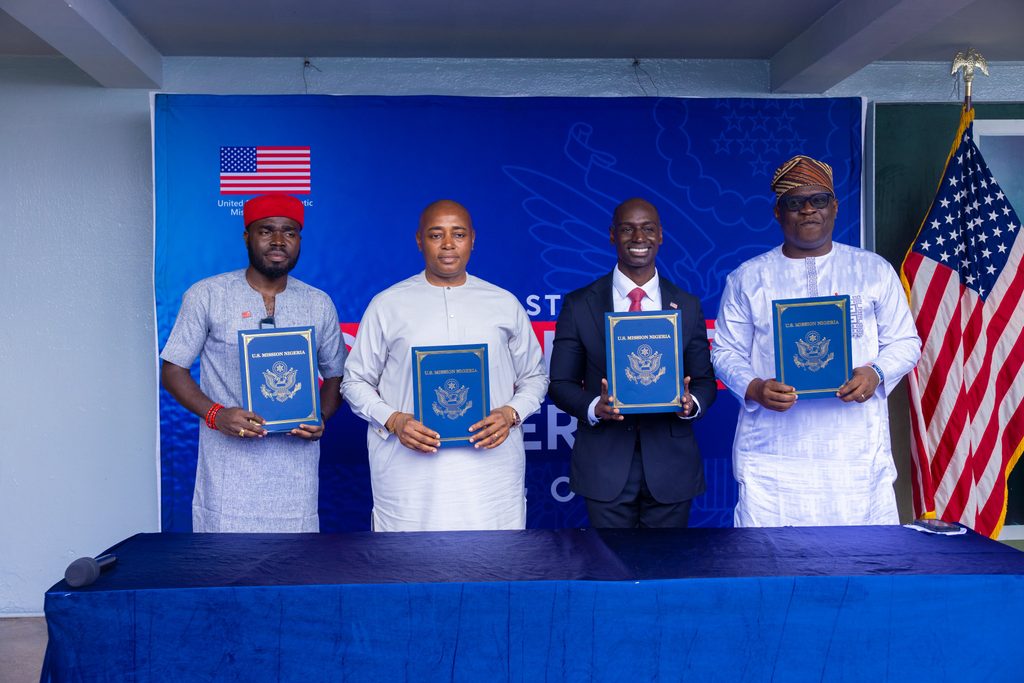
The grant was awarded through the U.S. Ambassadors Fund for Cultural Preservation. It went to the Centre for Memories in Enugu. It will fund the Nchekwaba: Lejja Iron-Smelting project, combining conservation, 3D digital documentation and physical preservation.
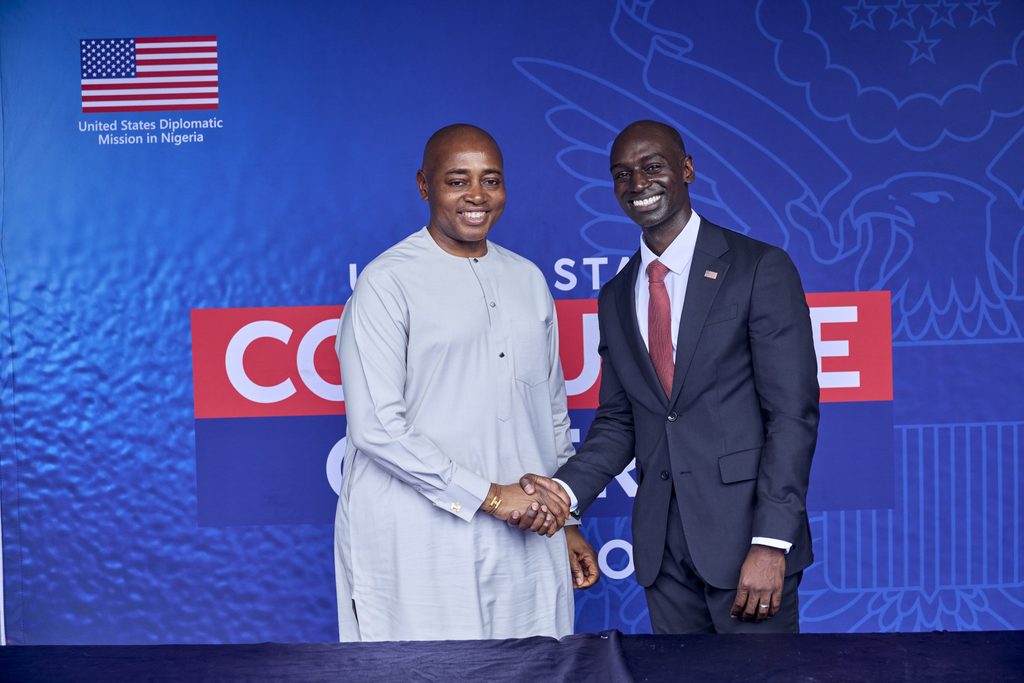
U.S. Consul General Brandon Hudspeth launched the initiative in Lagos. He described Lejja as a story of ingenuity and technological sophistication that predates much of recorded African history.
What The Lejja Project Will Preserve
Lejja lies about 15 kilometres south of Nsukka. It is widely regarded as one of the earliest known iron-smelting sites in sub-Saharan Africa. At its main village square, Otobo Ugwu, more than 800 slag blocks remain. Some weigh between 34 and 57 kilograms. Together, they form physical evidence of an indigenous metallurgical tradition predating European contact.
According to the Centre for Memories, the project goes beyond digital scanning. It will also record oral histories tied to the community. Much of Lejja’s iron-working past survives through memory rather than written record.
Executive Director Iheanyi Igboko has stressed that the centre did not discover the site. Instead, it is joining researchers, traditional custodians and community members who have studied and protected Lejja for years.
Heritage Preservation As Social Sustainability
Social sustainability rests on the idea that development must protect identity and continuity, not merely economic output. Viewed this way, Lejja is not simply an archaeological curiosity. It is a marker of cultural identity, both for its host community and for Nigeria more broadly.
Digital documentation guards against loss from erosion, urban expansion or neglect. Meanwhile, recorded testimony preserves intergenerational knowledge that rarely appears in textbooks. That knowledge often exists only with community elders.
Enugu State officials have indicated that legislation to protect the site is being prepared for the State House of Assembly. The eventual goal is national monument status.
Building Community And Local Expertise
Capacity building sits at the heart of this initiative. The project builds on Cultural Heritage Forward, a programme funded by the U.S. Department of State and organised with the Smithsonian Institution. This year-long exchange connects Smithsonian experts with Nigerian museum professionals. It also involves community-based heritage practitioners, allowing skills to move in both directions rather than flow one way.
Partners on the ground include the National Commission for Museums and Monuments, the University of Nigeria, Nsukka, and ICOMOS Nigeria. Their involvement matters. It suggests conservation expertise may outlast the grant itself, becoming embedded within Nigerian institutions rather than dependent on foreign funding cycles.
The Economic Potential Of Heritage Preservation
No verified figures yet exist on jobs or income the project might generate. Even so, heritage preservation of this kind carries reasonable potential for local economic activity. Properly documented sites can attract researchers, students and cultural tourists. That, in turn, can support demand for guiding, hospitality and craft enterprise around Nsukka.
Officials have already flagged tourism as an ambition. The Centre for Memories hopes the programme will eventually support a bid for UNESCO recognition. Elsewhere in Africa, that status has helped channel visitor interest toward host communities. Nevertheless, these remain future possibilities, not confirmed outcomes. Any economic benefit will depend on how the site is protected and managed afterward.
A Wider US-Nigeria Preservation Partnership
The Lejja grant extends a longer pattern of engagement. Hudspeth said the United States has invested approximately $1.2 million in cultural heritage preservation in Nigeria over five years. Most of that came through the Ambassadors Fund.
The two countries also operate under a 2022 Cultural Property Agreement. It restricts the import of certain Nigerian archaeological materials into the United States, curbing illicit trafficking of heritage objects.
Furthermore, discussions are reportedly underway to extend the current cooperation framework by another five years. That would signal continuity beyond a single grant cycle.
Why Cultural Heritage Belongs In The Sustainability Conversation
Sustainability conversations in Nigeria often centre on climate, energy or governance, understandably so. However, the United Nations’ Sustainable Development Goal 11 explicitly links liveable communities to the protection of cultural heritage. Lejja illustrates why that link matters in practice.
A community that retains ownership of its history is better placed to benefit from it. That holds especially true when local institutions are equipped to protect it. Whether Lejja becomes a national monument, a UNESCO site, or simply a better-documented archive, its preservation offers a template. Heritage and development can reinforce each other, provided the follow-through matches the ambition behind the launch.
[give_form id="20698"]