

Nigeria’s Power Crisis: How Unreliable Electricity Is Threatening Businesses and Households
 ONYINYECHI NWAIGBA
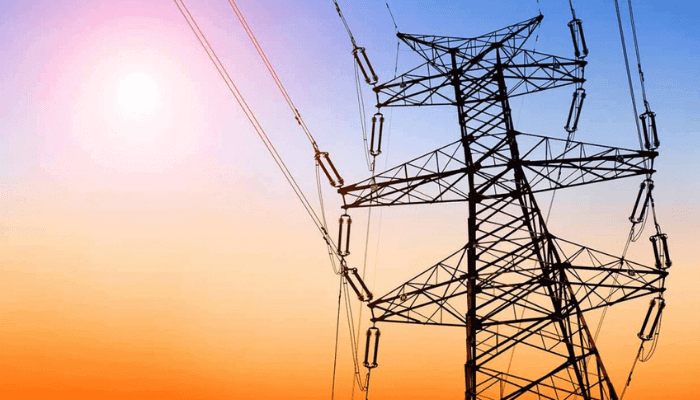
As electricity generation comes under pressure from gas constraints, reduced water inflows and infrastructure challenges, Nigerian households and businesses face another difficult period. But beyond the possibility of longer blackouts lies a bigger question: who can afford to keep the lights on?
Nigeria’s electricity challenges are not new. Across the country, households, small businesses, schools, hospitals and manufacturers have had to make difficult adjustments to unreliable public power supply. For many, generators, inverters and solar systems are no longer occasional alternatives. They have become essential to daily operations.
Now, as the dry season approaches, concerns are growing that electricity supply could become even less reliable in the coming months.
The national grid generated approximately 3,180 megawatts (MW) on November 19, 2026, while the country’s 11 electricity distribution companies received a combined allocation of 2,885MW. The figures highlight the pressure already facing the electricity sector before the dry season reaches its peak.
The Nigerian Independent System Operator (NISO) has identified two major factors behind the recent decline: constraints in gas supply to thermal power stations and reduced water inflows into hydroelectric reservoirs.
While these challenges raise concerns about the months ahead, the bigger issue is what unreliable electricity means for the millions of Nigerians whose livelihoods, businesses and access to essential services depend on a dependable energy supply.
Why the Dry Season Matters to Nigeria’s Electricity Supply
Nigeria depends heavily on gas-fired thermal power stations and hydroelectric plants to generate electricity for the national grid. Both sources face different operational challenges.
Hydroelectric stations depend on water flowing through dams to generate electricity. When rainfall reduces and water inflows decline, the amount of electricity these facilities can produce may also be affected.
The Nigerian Electricity Regulatory Commission’s (NERC) 2025 annual report showed that hydroelectric plants generated 12,804.18 gigawatt-hours of electricity, representing 32.66 per cent of total grid electricity generated that year.
This means changes in water availability can have a significant effect on the country’s electricity supply.
The Nigerian Meteorological Agency’s 2026 Seasonal Climate Prediction also identified potential risks to hydropower generation in some parts of the country. It warned that below-normal rainfall and shorter rainy seasons in parts of Borno, Yobe, Ogun, Oyo and Niger could affect water levels in the Niger and Benue rivers and potentially influence generation at Kainji Dam.
However, the situation is not as simple as the dry season automatically bringing less electricity. Gas-fired power stations can continue generating electricity regardless of rainfall, provided they receive sufficient gas and remain operational.
This distinction matters because Nigeria’s electricity challenges extend beyond weather conditions. The availability of gas, the condition of generating plants, transmission capacity and distribution infrastructure all determine whether electricity reaches consumers.
Gas Supply Constraints Add to the Pressure
While reduced water inflows may affect hydroelectric generation, gas availability remains another major concern.
On November 5, NISO attributed the decline in national electricity generation partly to limited gas supply to thermal power stations. It explained that some generating plants could not operate at their available capacity because of insufficient gas.
The Nigerian Midstream and Downstream Petroleum Regulatory Authority’s September 2026 sector fact sheet also showed that average daily gas utilization by power plants fell by four per cent to 518 million standard cubic feet per day, compared with August.
There have also been differing explanations about the source of the gas supply problem.
In a November 7 statement, NNPC Limited disputed suggestions that its gas transportation network was responsible for the decline. The company said its gas transportation infrastructure remained available and that its gas production had increased by approximately 10 per cent year-to-date in 2026.
However, NNPC also acknowledged that gas production, commercial supply arrangements and actual deliveries to individual power plants are separate issues.
This highlights the need for better coordination and transparency across the gas-to-power value chain. Having gas resources or an available pipeline network does not automatically mean power stations receive the fuel they need to generate electricity.
Without reliable information about where supply constraints occur and who is responsible for resolving them, it becomes difficult to hold the relevant operators accountable.
The Cost of Unreliable Electricity for Small Businesses
For Nigerian small businesses, electricity is not simply a convenience. It is an operating expense that directly affects profitability, productivity and the ability to remain competitive.
A bakery needs electricity to operate equipment and preserve ingredients. A cold-room operator depends on consistent power to prevent food spoilage. Salons, restaurants, printing businesses, supermarkets and small manufacturers all require energy to deliver their services.
When public electricity supply becomes unreliable, many of these businesses turn to petrol or diesel generators, inverters and other alternatives.
The additional cost can be significant. Money that could have gone towards purchasing raw materials, paying workers, expanding operations or improving products is instead spent keeping equipment running.
For businesses operating with already narrow profit margins, this creates a difficult choice: increase prices and risk losing customers, reduce operating hours, absorb the additional costs or scale down operations.
Some may eventually be forced to close.
The consequences extend beyond business owners. When businesses reduce production or shut down, workers may lose income, suppliers may receive fewer orders and customers may face higher prices.
This is why electricity reliability should be treated as an important part of Nigeria’s business environment and job creation agenda. It is difficult to encourage entrepreneurship and local manufacturing when businesses cannot predict one of their most basic operating costs.
Households Are Also Paying for the Power Crisis
The burden is not limited to commercial establishments.
For households, unreliable electricity affects food preservation, access to water, education, healthcare and everyday living conditions.
Families that depend on generators must regularly spend money on fuel and maintenance. Those who use inverters or solar systems face the cost of purchasing batteries, replacing components and maintaining their installations.
These expenses are particularly difficult for low-income households, which may have little room in their budgets for additional energy costs.
The situation also raises questions about inequality in electricity access.
Households and businesses with sufficient financial resources may be able to invest in solar systems, generators and battery storage. Others have no realistic alternative when public supply becomes unreliable.
In effect, the ability to access dependable electricity increasingly depends on how much a household or business can afford to spend outside the national grid.
Energy access should not become another measure of economic privilege.
Beyond Generation: The Problem of Distribution and Access
Even when electricity is generated, it does not automatically reach every community or consumer.
Transmission limitations, distribution infrastructure and operational challenges can prevent available electricity from being delivered efficiently.
Professor Yemi Oke, an energy and electricity law expert at the University of Lagos, argued that the dry season should not necessarily lead to reduced electricity supply if gas-fired power stations receive stable fuel supplies.
He also drew attention to the role of distribution companies, noting that commercial considerations could influence how available electricity is allocated. In his view, some distribution companies may priorities customers considered more commercially viable, leaving lower-income and semi-urban communities with inadequate supply.
This raises an important accountability question: how fairly is available electricity distributed?
Improving generation is necessary, but it cannot be the only measure of progress. Consumers also need to know whether distribution companies are delivering the service levels they promise, whether electricity allocations are being managed fairly and whether complaints about poor supply are being addressed.
The quality of electricity service should be measured by what reaches homes and businesses, not simply by the amount generated at power stations.
Can Renewable Energy Reduce the Pressure?
Nigeria’s recurring electricity challenges have strengthened the case for alternative energy sources, particularly solar power and decentralised electricity systems.
Solar systems, battery storage and mini-grids can provide more dependable electricity for households, businesses and communities, especially in areas where extending or improving the national grid may be difficult.
They can also help businesses reduce their dependence on generators and exposure to fluctuating fuel costs.
However, renewable energy is not an automatic solution for every Nigerian household or business.
The initial cost of solar panels, inverters, batteries and installation can be beyond the reach of many people. Financing, maintenance, technical support and access to reliable equipment also determine whether these systems remain useful over time.
For small businesses, affordable financing options could make it easier to invest in energy systems that reduce long-term operating expenses. For rural communities, well-managed mini-grids could support productive activities, improve access to essential services and create opportunities for local enterprise.
The Electricity Act 2023, which provides a framework for decentralizing electricity markets and allowing greater participation by states and other operators, also creates opportunities for more localized energy solutions.
Still, decentralization must be accompanied by effective regulation, investment and consumer protection. Alternative power should expand access rather than create new forms of exclusion.
What Government and the Private Sector Must Do
Nigeria’s electricity crisis requires more than seasonal interventions. It demands a coordinated response that addresses weaknesses across the entire energy value chain.
Government and relevant operators must improve the reliability of gas supply to power stations, strengthen transmission and distribution infrastructure, and ensure generating facilities are properly maintained.
There must also be greater transparency around electricity generation, gas deliveries, power allocations and the reasons consumers experience reduced supply.
Seasonal energy planning should become a more deliberate part of the country’s electricity strategy. Information from meteorological agencies should inform decisions about water management, hydropower operations and the availability of alternative sources.
The private sector also has a role to play.
Businesses can explore energy efficiency, renewable energy and shared power solutions where feasible. Financial institutions can develop financing arrangements that allow small businesses to invest in more reliable energy systems without placing unsustainable pressure on their cash flow.
Companies operating in the energy sector should also be assessed on more than their investments and installed capacity. Their contribution to affordable access, local economic development, environmental responsibility and reliable service matters.
For communities that remain underserved, energy projects should be designed around actual needs and accompanied by clear accountability for performance.
A Power Crisis That Goes Beyond the Dry Season
Nigeria’s approaching dry season has renewed concerns about electricity generation, but the country’s power challenges are much deeper than seasonal changes in rainfall.
Reduced water inflows may affect hydroelectric generation, while gas supply constraints can limit thermal power output. Transmission and distribution weaknesses further complicate the delivery of available electricity.
Yet the consequences are ultimately felt by people and businesses that have little control over these challenges.
For a small business owner, unreliable electricity can mean higher operating costs and fewer opportunities to grow. For a household, it can mean spending money that should go towards food, education or healthcare on alternative power. For communities without affordable alternatives, it can mean being left further behind.
The real measure of progress should not simply be whether Nigeria generates more megawatts during a particular period. It should be whether households can afford electricity, businesses can operate consistently and communities can access the energy needed to improve their quality of life.
As the country prepares for another dry season, the question is not only whether the national grid can withstand additional pressure. It is whether Nigeria can finally build an electricity system that works reliably, fairly and affordably for the people who depend on it.
[give_form id="20698"]