ROSEMARY IMOBHIO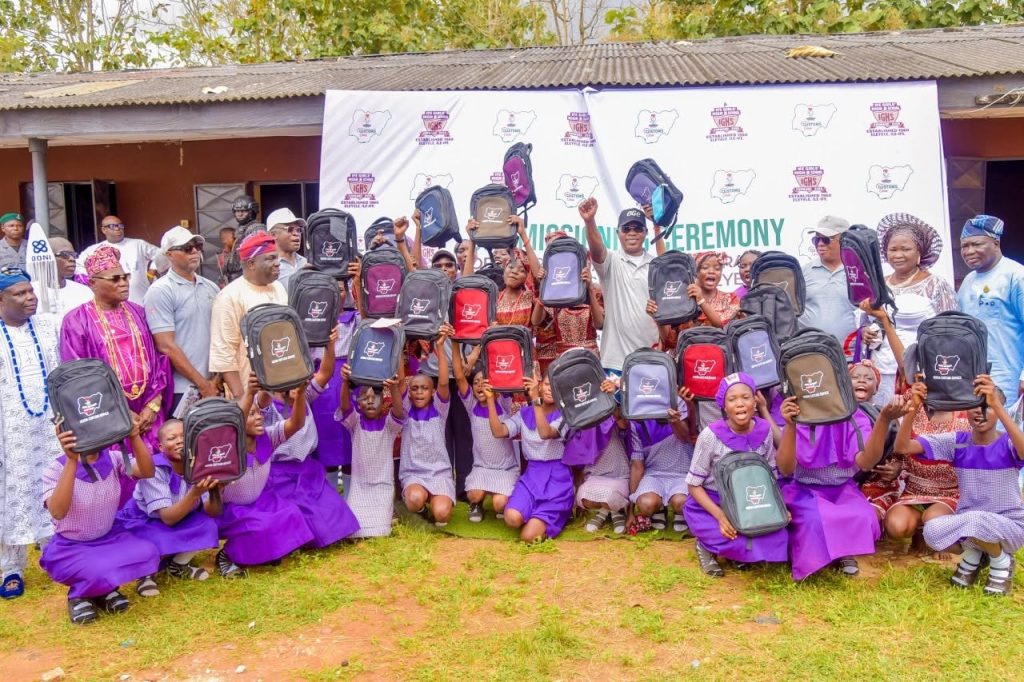
The Nigeria Customs Service (NCS) says it has committed about N70 billion to Corporate Social Responsibility (CSR) interventions across Nigeria. It says education infrastructure is emerging as a major focus of its community investment. Comptroller-General of Customs, Bashir Adewale Adeniyi, disclosed the figure while speaking with journalists during the commissioning of the renovated Ife Girls High School in Ile-Ife, Osun State.
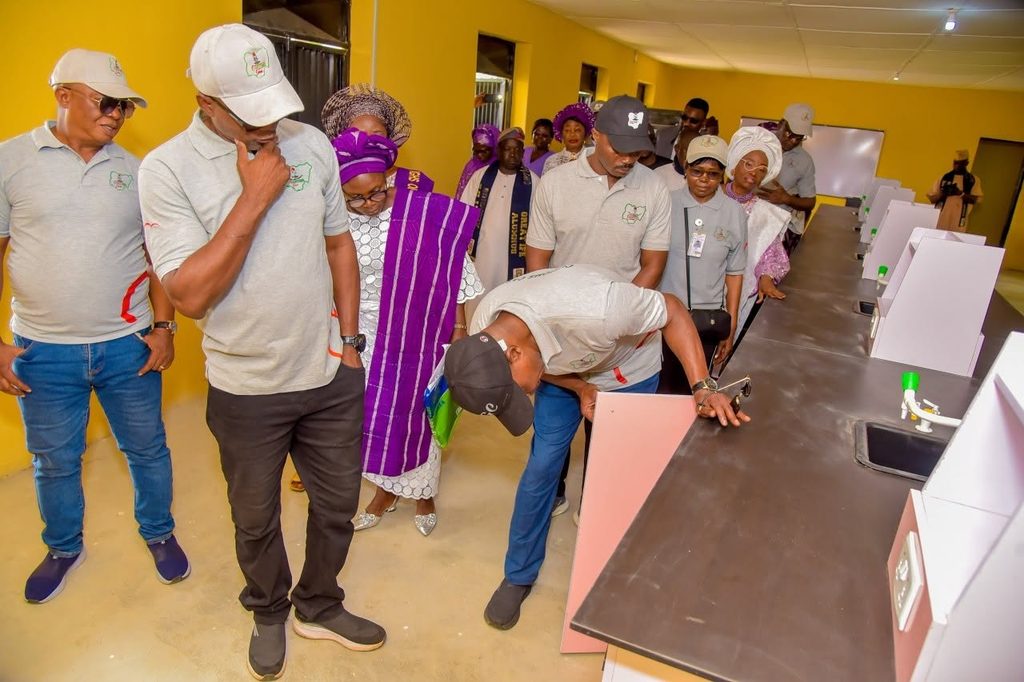
The intervention was carried out under the Service’s Customs Cares CSR initiative. It included the rehabilitation of four classroom blocks, a laboratory building, staff facilities and the principal’s lodge.
For Adeniyi, however, the project represents more than the renovation of an ageing school. It reflects what he described as a shared responsibility among government, businesses, communities, alumni groups and other stakeholders to address infrastructure gaps affecting education.
Customs Puts Education At The Centre
According to Adeniyi, the N70 billion allocation was part of the Service’s wider CSR interventions across the country. He explained that the initiative was driven by the need to respond to infrastructure deficits and create better conditions for learning. He also said Customs officers had committed a portion of their salaries to the initiative.
“I am happy that for the Corporate Social Responsibilities (CSR) in Nigeria Customs Service, we are committed to donate a quarter of our yearly salary into these projects,” Adeniyi said.
He added that government alone could not address every infrastructure need in the education sector. “It is practically impossible for the government to do it all alone,” he said, noting that education budgets could not always accommodate major rehabilitation projects of this nature.
As a result, he called on Parents Teachers Associations (PTAs), alumni associations, charitable organisations and foundations to give greater attention to educational infrastructure.
That call places CSR within a broader conversation about the role of institutions beyond their core mandates. While public agencies have different responsibilities, their community interventions can also shape access to essential services when they are directed towards clearly identified needs.
A School’s Decline Became The Starting Point
The condition of Ife Girls High School provided a particularly visible example of the infrastructure challenge. Adeniyi described the state of the school before the intervention as “appalling”. He recalled that the laboratory had become overgrown to the point where workers had to deal with squirrels and snakes before gaining access.
The school, which is about 60 years old, was once described as a thriving girls’ secondary school. However, its deteriorating facilities had contributed to a decline in enrollment, according to Adeniyi. The renovation was therefore presented not simply as a construction project. It was an effort to make the school environment more suitable for students and teachers.
Importantly, the intervention covered several aspects of the school environment. Beyond classrooms, facilities connected to laboratory use, administration and staff accommodation were also rehabilitated. This broader approach was recognised by Osun State Commissioner for Education, Dipo Eluwole, who described the project as a comprehensive intervention.
Why The Girl Child Became A Priority
For Customs, the choice of Ife Girls High School also created an opportunity to draw attention to girl-child education. Adeniyi stressed that girls must have access to quality education and the infrastructure required to support that access. He linked the condition of the school to the wider need to keep girls in education and create stronger foundations for their future.
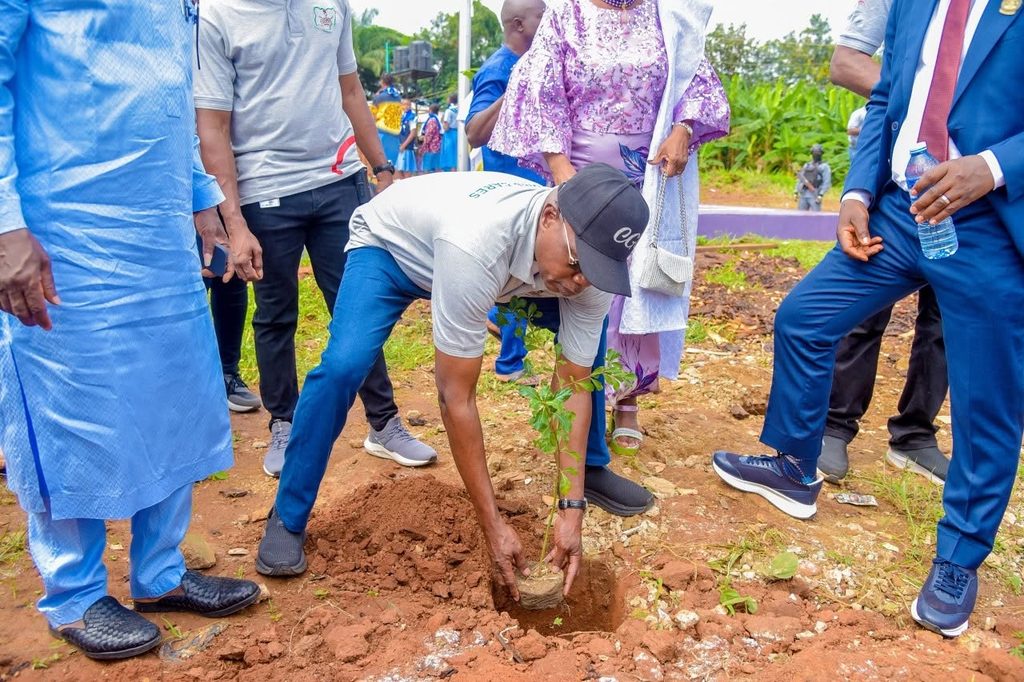
Adeniyi also acknowledged the involvement of other stakeholders, including the old girls’ association, the Osun State Government and the Ooni of Ife. That collaboration is significant because maintaining educational infrastructure cannot end with the commissioning of a renovated facility. Without continued maintenance and community ownership, infrastructure investments can eventually face the same deterioration they were designed to address.
The school’s principal, Martina Akinremi, pledged that the facilities would be properly maintained and used to their full potential. She described the intervention as an investment in the future of the students and society.
From Renovation to Opportunity
The Customs intervention also extended beyond physical infrastructure. During his engagement with students, Adeniyi encouraged them to remain focused on their education. He described education as a pathway to a better future for students, their families, communities and the country.
He also announced a university scholarship for the school’s top students, adding an opportunity component to the infrastructure investment.
That move connects two different sides of educational CSR. Renovating facilities can improve the environment in which students learn. Scholarships, on the other hand, can help some students continue their education beyond secondary school. Together, they show how community investment can address both the physical and financial barriers that affect educational opportunities.
For other stakeholders, the message from the Customs initiative is equally clear. PTAs, alumni bodies, foundations and charitable organisations have been encouraged to identify schools where targeted support can improve learning conditions.
What The N70bn Means For CSR in Nigeria
The disclosure of N70 billion places the Customs Service’s CSR activities on a significant scale. However, the impact of such spending ultimately depends not only on the amount committed. It also rests on the needs being addressed and what happens after projects are completed.
The Ife Girls High School intervention offers one example of a targeted response to infrastructure deterioration. It also demonstrates the importance of involving school authorities, government and community stakeholders in sustaining the investment.
For CSR in Nigeria, the bigger conversation is therefore not simply about how much institutions spend. It is also about whether the investment responds to clearly identified community needs, improves everyday outcomes and remains useful long after the commissioning ceremony.
At Ife Girls High School, the next measure of the project will be seen in the classrooms, laboratories and other facilities now available to students. As well as in how well those facilities are maintained. For the students who walk through the renovated school every day, that is where the value of the investment will ultimately be experienced.
Stay with CSR Reporters as we track how CSR investments are reshaping communities across Nigeria.
[give_form id="20698"]