ROSEMARY IMOBHIO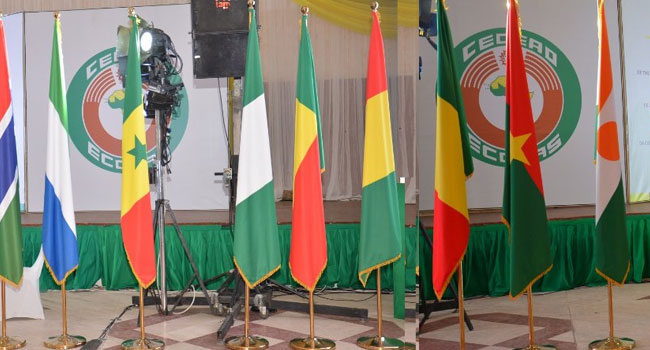
The ECOWAS Parliament has adopted a new set of resolutions aimed at accelerating renewable energy deployment and expanding rural electrification across West Africa. The decisions were reached during a five day delocalised parliamentary meeting in Dakar, Senegal. They are expected to strengthen regional efforts to improve electricity access while supporting economic development, climate resilience, and sustainable infrastructure.
The meeting, held from June 15 to June 19, brought together members of the Parliament’s Joint Committee on Energy and Mines, Infrastructure, and Agriculture, Environment and Natural Resources. Discussions focused on the theme, Harnessing Renewable Energy for Rural Electrification and the Revitalisation of Rural Economies in the ECOWAS Region: The Role of the ECOWAS Parliament.
As governments across West Africa continue to face growing energy demand, the resolutions reflect increasing recognition that renewable energy will play a central role in inclusive development. Furthermore, the recommendations reinforce the region’s commitment to cleaner energy. They also create opportunities for agriculture, education, healthcare, and small businesses in underserved communities.
Rural Electrification Moves Beyond Basic Power Access
One of the strongest messages from the Dakar meeting was that rural electrification should become an engine for economic transformation rather than simply extending electricity to homes.
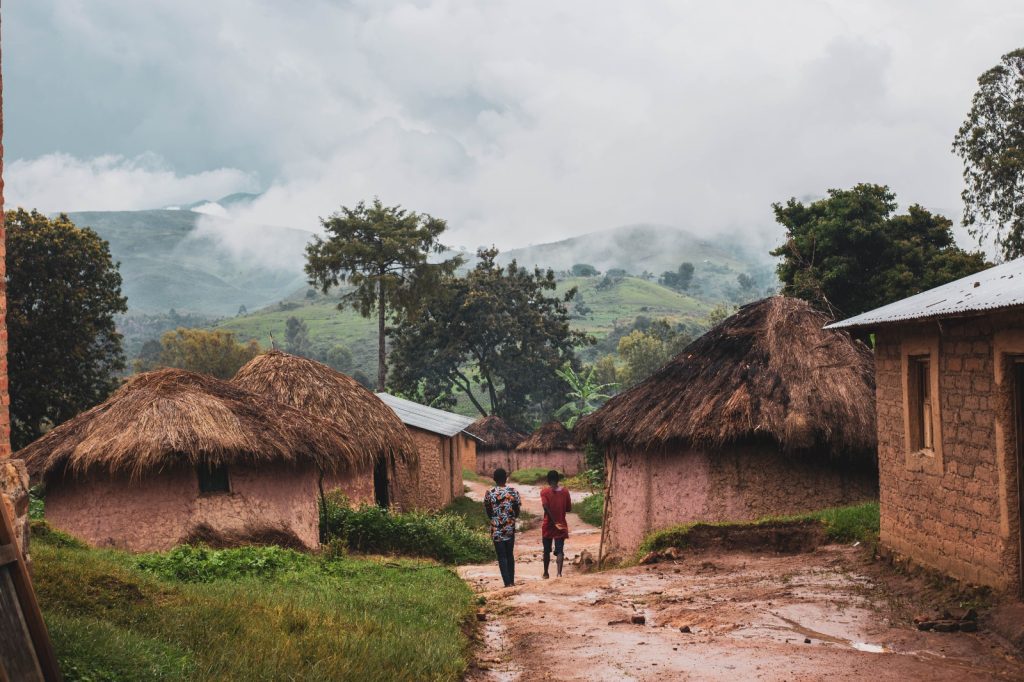
Lawmakers urged ECOWAS member states to accelerate investments in decentralised renewable energy systems, including mini grids and off grid solutions. These technologies have become increasingly important because they can reach remote communities where extending the national electricity grid remains expensive or technically challenging.
According to the International Energy Agency, more than half of new electricity connections in Sub Saharan Africa by 2030 are expected to come from decentralised renewable energy systems. Consequently, regional policymakers view these technologies as practical tools for narrowing the electricity access gap.
The parliament also called for stronger financing mechanisms that can attract both public and private investment into renewable energy projects. Access to affordable capital remains one of the biggest barriers to expanding clean energy infrastructure throughout West Africa. Therefore, improving financing structures could significantly accelerate project delivery.
In addition, lawmakers recommended harmonising regulatory frameworks across ECOWAS member states. Consistent policies are expected to improve investor confidence. They can also make cross border energy projects easier to implement.
Stronger Governance Supports Sustainable Energy Goals
Beyond infrastructure development, the resolutions place considerable emphasis on governance and accountability. Parliamentarians stressed that effective oversight will be essential to ensure regional energy initiatives achieve their intended outcomes.
The committee encouraged national legislatures to strengthen their monitoring responsibilities and support implementation through appropriate legislation. Better parliamentary engagement could also improve transparency, policy consistency, and long term investment planning.
From an ESG perspective, governance remains one of the defining pillars of successful energy transitions. Clear regulations, institutional accountability, and transparent project management help reduce investment risks. They also encourage responsible development.
Moreover, lawmakers recommended broader consultation with parliamentarians throughout the planning, implementation, and monitoring stages of regional energy programmes. Such collaboration could improve policy coordination across member states. It could also strengthen public confidence in large infrastructure investments.
The committee also reaffirmed support for the ECOWAS Centre for Renewable Energy and Energy Efficiency. The regional institution has continued to promote renewable energy policies, technical assistance, and capacity building across West Africa for more than a decade.
Focus Expands to Skills, Gender and Productive Energy Use
The Dakar resolutions extend beyond electricity generation by recognising the social and economic benefits that accompany energy access. Parliamentarians recommended expanding technical training opportunities for young people to develop the skilled workforce needed for the growing renewable energy sector. As clean energy investments increase across Africa, demand for technicians, engineers, project managers, and maintenance specialists is expected to rise significantly.
Likewise, the committee called for stronger gender integration within renewable energy programmes. Women often face greater barriers to accessing reliable electricity, financing, and business opportunities in rural communities. Consequently, ensuring their participation could generate wider economic and social benefits.
The recommendations also highlight the importance of financing productive energy use. Rather than limiting electricity to household consumption, policymakers want greater support for businesses. These businesses use electricity to increase agricultural processing, manufacturing, refrigeration, irrigation, and digital services.
This approach aligns with broader sustainable development objectives because reliable electricity creates opportunities for higher incomes, improved food security, and expanded local employment.
Regional Energy Cooperation Remains a Priority
Another important outcome of the meeting involved strengthening regional cooperation on major energy infrastructure projects.
Lawmakers expressed concern about the financial challenges currently facing the West African Power Pool. The organisation serves as the region’s flagship electricity integration initiative. The power pool was established to improve electricity trading among ECOWAS countries while enhancing energy security across national borders.
The committee called for urgent measures to address these financial pressures. Stable regional electricity markets remain essential for expanding reliable and affordable power supplies throughout West Africa.
Additionally, parliamentarians reaffirmed support for ongoing regional energy projects involving countries within the Alliance of Sahel States. They noted that existing contractual obligations should continue to be respected despite evolving political dynamics within the region.
Continued cooperation on energy infrastructure could help maintain investor confidence while supporting long term regional integration.
Parliament Calls for Action on Clean Energy Transition
Speaking during the closing ceremony, Joint Committee Chairperson Fanta Conte emphasised that electricity should become a foundation for broader economic development.
She explained that expanding access to reliable energy has the potential to stimulate agricultural productivity, encourage entrepreneurship, create employment opportunities, and improve the livelihoods of women and young people throughout rural communities.
Conte also described the Dakar recommendations as a practical roadmap for accelerating West Africa’s energy transition while advancing universal electricity access.
Furthermore, she encouraged parliamentarians across the ECOWAS region to fully utilise their legislative, oversight, and advocacy responsibilities. According to her, sustained political commitment will be necessary to attract investment. It will also ensure that regional energy policies translate into measurable results for communities.
Her remarks come as several West African countries continue expanding renewable energy investments. Recent initiatives include new solar projects, mini grid programmes, and international financing partnerships designed to improve electricity access while reducing dependence on fossil fuels. These developments reflect a broader continental shift toward cleaner energy systems that support both economic growth and climate resilience.
For sustainability professionals and ESG stakeholders, the Dakar resolutions demonstrate how policy frameworks can influence responsible infrastructure development. While implementation will ultimately determine their success, the recommendations establish a clearer direction for renewable energy governance, regional cooperation, and inclusive rural development across West Africa.
As the region works toward universal electricity access, the challenge now shifts from policy adoption to execution. Delivering affordable, reliable, and sustainable energy will require coordinated action from governments, development partners, private investors, and local communities. If effectively implemented, the Dakar resolutions could strengthen West Africa’s renewable energy landscape while creating lasting economic and social value for millions of people.
[give_form id="20698"]