ROSEMARY IMOBHIO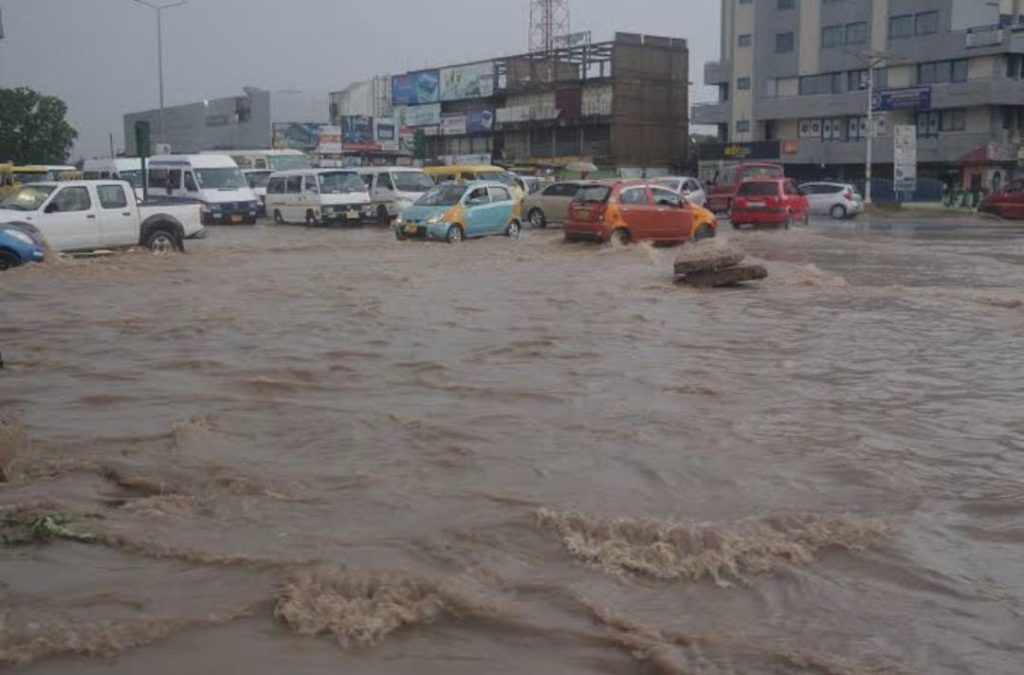
When floodwaters swept through parts of Ghana this week, they did not only destroy homes and claim lives. They also wiped out businesses, disrupted supply chains and raised difficult questions about climate preparedness across West Africa.
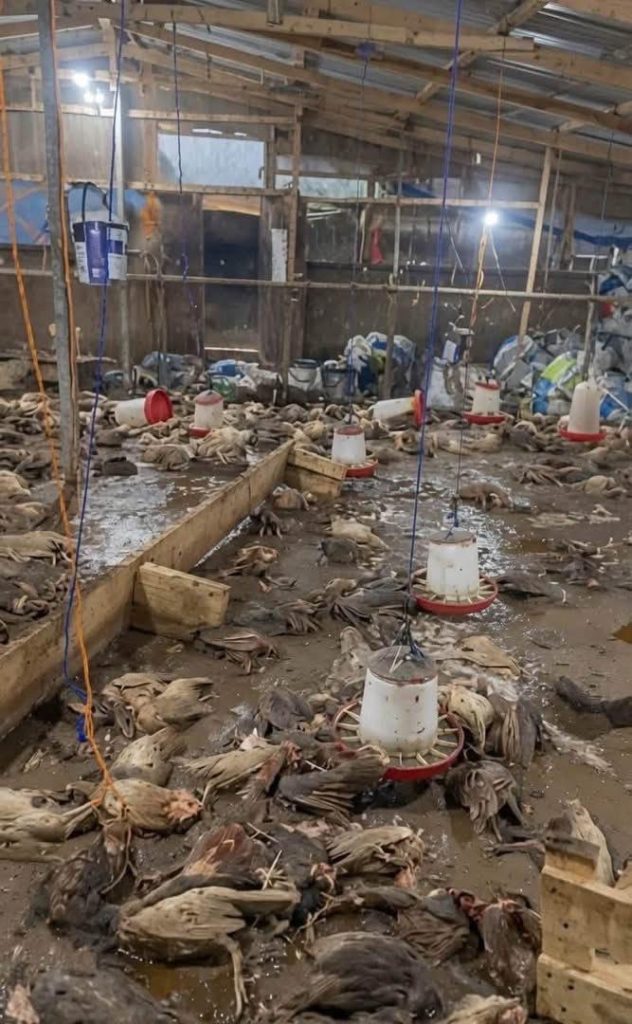
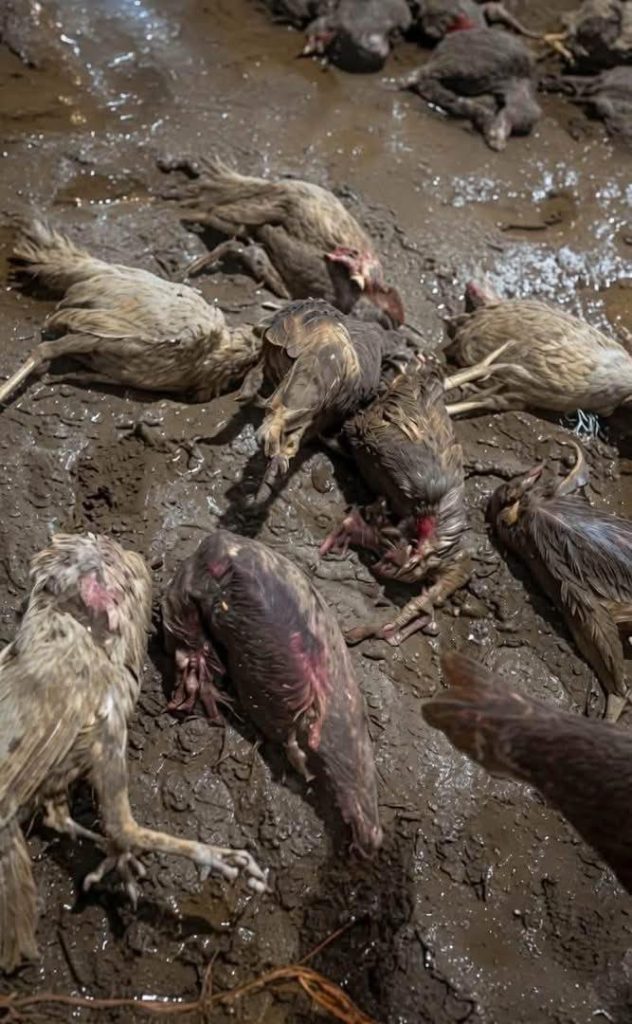
One image captured the tragedy more than most. A poultry farmer in the Greater Accra Region reportedly lost nearly his entire flock after floodwaters engulfed his farm. According to local reports, only one chicken survived. The scene quickly spread across social media and became a symbol of the devastating impact of the floods.
Meanwhile, emergency teams continued rescue operations across Accra and Tema after torrential rains submerged roads, markets and residential communities. Authorities confirmed that at least 12 people had died while hundreds of residents had been rescued from floodwaters. More than 7,700 households were affected and several people remained missing.
Yet beyond the heartbreaking images lies a larger story. Ghana’s latest floods are exposing the growing economic costs of climate disasters. They are also showing that businesses can no longer treat flooding as a rare emergency.
A Disaster That Reached Every Corner of the Economy
The floods turned major roads into rivers and cut off access to several communities. Markets, homes and public buildings were inundated. Transportation stalled in many parts of Accra, leaving commuters stranded for hours. Emergency workers had to rely on military support to reach some affected communities.
For businesses, the consequences were immediate. Traders lost inventory. Transport companies faced delays. Small enterprises closed their doors for the day. Farmers watched months of investment disappear in a matter of hours.
The poultry farmer’s loss illustrates a growing problem. Climate disasters are becoming major economic shocks. In many cases, small businesses have little insurance protection and limited financial buffers. Consequently, a single flood can wipe out years of hard work.
Agriculture remains especially vulnerable. Flooding can destroy crops, kill livestock and disrupt food distribution networks. As a result, these disasters often contribute to higher food prices and increased pressure on household incomes. Moreover, the destruction of farms affects more than individual business owners. It can also threaten food security and employment in communities that depend heavily on agriculture.
Scientists and Forecasters Saw the Risks Coming
The latest disaster did not occur without warning. Earlier in June, the Ghana Meteorological Agency warned that Accra faced heightened flood risks because of expected heavy rainfall. The agency noted that the city’s vulnerability had worsened due to rapid urbanisation, blocked drainage systems and development on natural waterways. Officials also warned that even moderate rainfall could trigger significant flooding in some areas.
Those warnings now appear remarkably prescient. President John Dramani Mahama reportedly described the June 29 rainfall as one of the most severe events to hit Accra in recent years. Meanwhile, the Interior Minister informed Parliament that the floods affected thousands of households and displaced many residents. However, many Ghanaians believe rainfall alone cannot explain the scale of the destruction.
Why Waste Management Matters
As the floodwaters receded, a familiar debate resurfaced. Residents, urban planners and environmental advocates pointed to blocked drains, plastic waste and poor sanitation practices as major contributors to the disaster. Social media discussions also highlighted the role of clogged waterways and inadequate drainage infrastructure in worsening the flooding. The argument is simple. Rain may trigger floods, but poor waste management often turns heavy rainfall into a catastrophe.
This issue extends far beyond government responsibility. Companies also have a role to play. Manufacturers produce packaging that frequently ends up in drainage channels. Retail businesses generate substantial waste. Meanwhile, inadequate recycling systems leave many communities struggling to manage growing volumes of plastic.
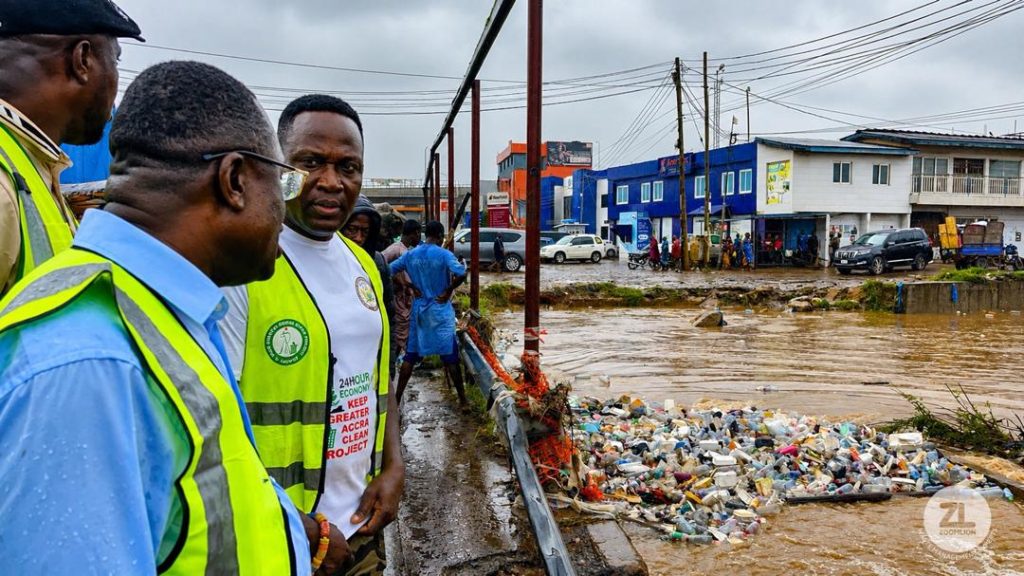
Therefore, waste management is increasingly becoming a corporate sustainability issue. Businesses that invest in recycling, circular economy initiatives and community sanitation programmes can help reduce environmental risks while strengthening their sustainability credentials.
Furthermore, companies that ignore these issues may eventually face higher operational costs as climate disasters become more frequent.
Floods Are Becoming a Business Risk
Traditionally, floods have been viewed as humanitarian disasters. That perspective is changing. Today, flooding represents a significant business risk. Companies face disrupted supply chains, damaged infrastructure and reduced productivity when severe weather strikes. Employee safety also becomes a major concern.
Insurance costs may rise. Consumer spending can decline. Distribution networks may become unreliable. These risks affect almost every sector.
Agriculture faces production losses. Manufacturers experience logistical disruptions. Telecommunications companies struggle with damaged infrastructure. Financial institutions may see increased loan defaults from affected customers.
Consequently, climate resilience is no longer just an environmental issue. It is becoming a strategic business concern.
This reality extends beyond Ghana. Recent floods in Nigeria and Ivory Coast have shown that many West African countries face similar vulnerabilities. Experts increasingly warn that extreme weather events are becoming more frequent and more costly across the region.
The Missing Conversation About Preparedness
The floods also raise another question. How prepared are businesses for climate disasters? Many companies still approach disasters from a relief perspective. They donate food, provide cash assistance and support emergency responses after tragedies occur.
Those actions matter. However, resilience requires more. Businesses need climate risk assessments. They need business continuity plans. They also need stronger insurance coverage and emergency response systems.
Agricultural enterprises require strategies that protect farms and livestock from extreme weather. Manufacturers need resilient supply chains. Employers should have plans to safeguard workers during emergencies.
Moreover, companies can invest in community adaptation programmes that strengthen resilience before disasters strike. Such measures may appear expensive.
Nevertheless, the cost of inaction can be far greater. The poultry farmer who lost almost his entire flock understands this reality in the most painful way possible.
A Warning for West Africa
The latest floods should serve as a warning not only for Ghana but also for the entire region.
Climate change is increasing the frequency and intensity of extreme weather events. At the same time, rapid urbanisation and inadequate infrastructure are making many African cities more vulnerable. The result is a dangerous combination.
Every year, floods destroy homes, businesses and livelihoods. Yet many communities continue to treat these disasters as isolated events. They are not.
Instead, they are becoming a recurring feature of life in many parts of West Africa. Consequently, governments and businesses need to shift from reaction to preparedness.
Cities require better drainage systems and stronger urban planning. Communities need improved waste management. Businesses should integrate climate risks into their long-term strategies. Most importantly, resilience must become a shared responsibility.
Beyond the Floodwaters
The heartbreaking image of a poultry farm reduced to a single surviving chicken will likely remain one of the defining images of Ghana’s latest disaster. However, the story is bigger than one farm. It is about the thousands of households affected, the businesses that suffered losses and the communities that once again found themselves under water. It is also about a region confronting a new reality.
Climate disasters are no longer distant threats. They are disrupting economies, damaging food systems, and exposing weaknesses in infrastructure and preparedness. The waters in Accra will eventually recede. The questions raised by this disaster will not.
How many more businesses must be destroyed before climate resilience becomes a priority? And how many more warnings will it take before West Africa begins preparing for the floods that experts say are increasingly inevitable?
[give_form id="20698"]