IMF: AI Could Boost Sub Saharan Africa’s Economy by 4%—But Infrastructure Gaps Threaten Progress
 ONYINYECHI NWAIGBA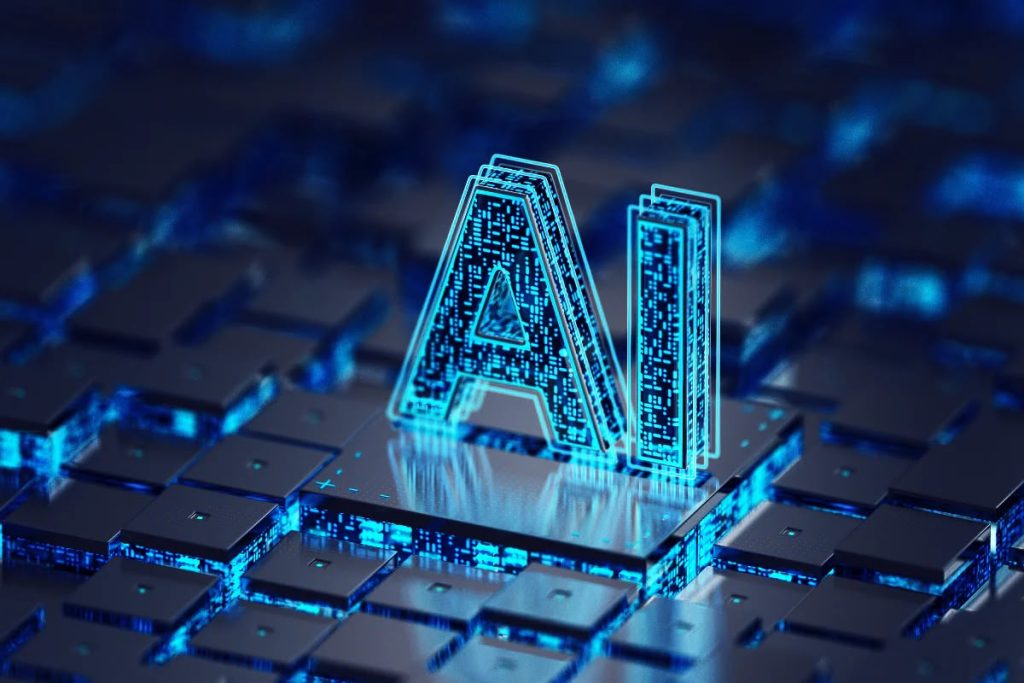
Artificial intelligence has the potential to transform economies across Sub-Saharan Africa, adding up to 4 percent to the region’s economic output over the next decade, according to a new analysis by the International Monetary Fund. However, the global financial institution warns that unlocking these gains will depend on how quickly African countries address longstanding challenges, including inadequate electricity supply, limited internet access and persistent digital skills gaps.
The IMF’s findings underscore a growing reality: while AI is reshaping industries around the world, its benefits will not be distributed equally. For Africa, the difference between becoming an active participant in the AI economy or remaining on the sidelines will largely depend on investments in infrastructure, education and digital inclusion.
For governments, businesses and development partners, the report presents both an opportunity and a call to action. It highlights the need for coordinated efforts to ensure that AI contributes to inclusive economic growth, job creation and sustainable development rather than widening existing inequalities.
AI’s Economic Promise for Africa
Artificial intelligence is increasingly transforming sectors such as healthcare, agriculture, education, finance, manufacturing and public administration. Around the world, organisations are using AI to improve productivity, reduce costs, automate repetitive tasks and develop innovative products and services.
According to the IMF, Sub-Saharan Africa could experience a significant boost in economic productivity if countries successfully adopt AI technologies while creating an enabling environment for innovation.
The projected 4 percent increase in economic output may appear modest when compared with more advanced economies, but for a region seeking to accelerate industrialisation, reduce poverty and create employment opportunities, the impact could be substantial.
However, the report cautions that these gains are far from guaranteed.
Without improvements in access to reliable electricity, high-speed internet and digital literacy, AI’s contribution to economic growth could be minimal. In some scenarios, the IMF estimates the economic benefit could be as low as 0.2 percent, illustrating how infrastructure constraints could significantly limit the region’s ability to leverage emerging technologies.
Infrastructure Remains the Biggest Challenge
Reliable infrastructure has long been recognised as one of the foundations of economic development.
For AI to function effectively, businesses and institutions require consistent electricity, affordable broadband connectivity, secure data infrastructure and access to modern computing technologies.
Yet millions of people across Sub-Saharan Africa continue to experience frequent power outages, limited internet connectivity and high data costs.
These challenges not only slow digital transformation but also increase operational costs for businesses seeking to adopt AI-powered solutions.
The IMF argues that addressing these infrastructure gaps should become a strategic priority for governments if the region hopes to compete in the rapidly evolving digital economy.
Investments in renewable energy, electricity transmission, broadband expansion and cloud infrastructure will be essential for supporting AI-driven innovation across sectors.
Digital Skills Will Determine Success
Infrastructure alone will not unlock AI’s full potential.
The report emphasises the importance of investing in human capital by equipping young people and professionals with the digital skills required in an AI-driven economy.
Across Africa, demand for expertise in data science, machine learning, cybersecurity, software engineering and digital project management continues to grow.
At the same time, AI is expected to change the nature of work by automating certain routine tasks while creating demand for new technical and creative skills.
Educational institutions, governments and the private sector therefore have an important role to play in preparing workers for these changes.
Strengthening digital literacy from primary education through higher learning, alongside workforce reskilling programmes, can help ensure that more Africans benefit from AI rather than being displaced by it.
Opportunities for Business and Industry
For businesses operating in Africa, AI presents opportunities to improve efficiency, reduce waste and develop innovative solutions to longstanding challenges.
In agriculture, AI can help farmers monitor crop health, predict weather patterns and improve yields through precision farming techniques.
Healthcare providers can use AI to enhance diagnostics, improve patient management and expand access to medical services in underserved communities.
Financial institutions are increasingly applying AI to fraud detection, credit assessment and customer service.
Manufacturers can optimise production processes, while logistics companies can improve supply chain efficiency through predictive analytics.
These applications demonstrate that AI is not simply a technology trend but an important driver of productivity and competitiveness across multiple industries.
Why This Matters for CSR and ESG
The IMF’s findings also carry important implications for Corporate Social Responsibility (CSR) and Environmental, Social and Governance (ESG) strategies.
As businesses integrate AI into their operations, responsible implementation becomes increasingly important.
Companies will need to ensure that AI systems are transparent, ethical and inclusive while protecting privacy and minimising algorithmic bias.
Beyond responsible governance, businesses also have an opportunity to contribute to Africa’s digital transformation through CSR initiatives.
Corporate investments in digital education, STEM programmes, coding academies, innovation hubs and technology incubators can help prepare future generations for AI-related careers.
Similarly, partnerships that expand internet access in underserved communities or improve digital infrastructure can create shared value for both businesses and society.
Increasingly, ESG performance is measured not only by environmental stewardship but also by how organisations promote inclusive innovation, responsible technology use and equitable access to digital opportunities.
Renewable Energy and AI Go Hand in Hand
One of the report’s most significant messages is the close relationship between energy access and digital transformation.
Artificial intelligence depends on reliable electricity to power data centres, digital devices and communication networks.
For many African countries, expanding renewable energy capacity could therefore become an important enabler of AI adoption.
Solar, wind and other clean energy investments can improve electricity reliability while supporting climate goals.
This creates opportunities for governments, private investors and development finance institutions to align renewable energy investments with broader digital transformation strategies.
The result could be stronger economic resilience alongside progress toward environmental sustainability.
Collaboration Will Be Essential
No single stakeholder can unlock Africa’s AI potential alone.
Governments must develop enabling policies, strengthen digital infrastructure and invest in education.
Private sector organisations can accelerate innovation through technology investments, workforce development and responsible AI governance.
Universities and research institutions have a critical role in producing skilled professionals and advancing local innovation.
Development organisations and international financial institutions can provide technical assistance, concessional financing and capacity-building support for digital transformation initiatives.
Cross-sector collaboration will therefore be essential if Africa is to maximise AI’s contribution to sustainable economic growth.
A Future That Must Be Inclusive
While AI offers enormous opportunities, experts continue to warn that technological progress can also deepen inequality if access remains concentrated among wealthier communities and larger organisations.
Closing the digital divide must therefore remain central to Africa’s AI strategy.
Expanding affordable internet access, supporting women and young people in technology, promoting inclusive digital education and ensuring that rural communities benefit from technological advances will all be necessary to create equitable outcomes.
Responsible AI adoption should also include strong governance frameworks that protect human rights, promote transparency and encourage accountability.
Building public trust in AI will be just as important as investing in the technology itself.
See: Will AI Take Over Jobs in Nigeria or Create New Opportunities?
Looking Ahead
The IMF’s projection that artificial intelligence could increase Sub-Saharan Africa’s economic output by 4 percent offers an encouraging vision of what is possible.
However, the report also serves as a reminder that technology alone cannot drive development.
Infrastructure, education, policy reforms and inclusive investment will determine whether Africa fully captures the benefits of AI or misses a transformative opportunity.
For businesses, the message is equally clear. Investing in responsible AI, digital skills and sustainable innovation is no longer simply about remaining competitive; it is about contributing to long-term economic resilience and inclusive development.
As governments, companies and development partners accelerate their digital transformation efforts, AI has the potential to become more than a productivity tool. It can serve as a catalyst for sustainable development, stronger institutions and shared prosperity across Sub-Saharan Africa.
The choices made today in expanding electricity access, strengthening internet connectivity, investing in human capital and promoting ethical innovation will ultimately determine whether AI becomes one of Africa’s greatest development opportunities or another promise left unrealised.
[give_form id="20698"]