London Climate Action Week 2026: Nigeria’s Federal Presence Meets Lagos’ Climate Finance Drive
 ROSEMARY IMOBHIO
London Climate Action Week 2026 runs from June 20 to 28. It continues to grow as one of the world’s most influential climate gatherings. The programme is designed not only for dialogue but also for implementation. Therefore, conversations are increasingly centered on finance, governance, innovation, and measurable climate outcomes.
In addition, the event aligns strongly with key Sustainable Development Goals. Including decent work and economic growth, sustainable cities, climate action, and global partnerships. These priorities reflect the urgent need to connect climate ambition with practical delivery systems across countries and cities.
Stronger Emphasis on Finance, Energy, and Governance
This year’s edition features a wide range of high-level events. These include the Climate Innovation Forum, Climate Governance Forum, Climate and Development Finance Forum, and the Global Energy Transition and Electrification Summit.
Furthermore, sessions such as Climate and the Future of Health 2026 and the Youth Summit highlight the growing intersection between climate action and social development.
Importantly, the programme also includes the Nigeria Climate Investment Summit. It positions Nigeria within global discussions on climate finance and investment readiness. Alongside this, events such as the London Climate Resilience Finance Summit and Finance Live broadcasts reinforce the central role of capital in driving climate transition.
As a result, London Climate Action Week has become a convergence point for governments, investors, development institutions, and civil society actors seeking scalable climate solutions.
Nigeria’s Federal-Level Participation Comes Into Focus
Nigeria is engaging at the federal level through the Nigeria Climate Investment Summit.
The summit is expected to convene federal lawmakers, ministers, regulators, and senior policymakers. Key private sector actors and international investors will also be present. Consequently, Nigeria is presenting a coordinated climate and investment agenda within the broader LCAW framework.
In addition, discussions are expected to cover carbon markets, energy transition pathways, regulatory frameworks, and climate finance structures. These conversations are important because they shape how international capital flows into emerging economies.
Furthermore, the federal presence signals an attempt to align national policy direction with global climate investment opportunities. However, public details on the exact delegation list remain limited at the time of reporting.
Even so, the structure of participation suggests a multi-layered approach, combining federal policy engagement with state-level investment promotion.
Lagos State Positions Itself as a Subnational Leader
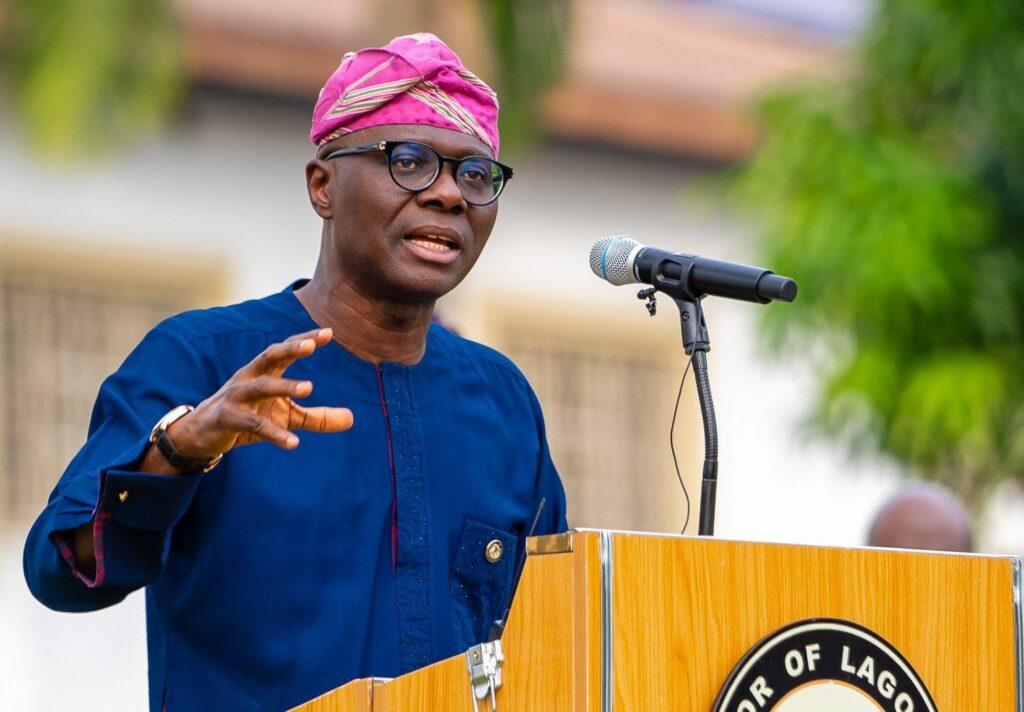
While Nigeria’s federal engagement provides policy-level visibility, Lagos State is emerging as the most prominent subnational participant.
Governor Babajide Sanwo-Olu is leading a delegation to London Climate Action Week 2026. The state’s participation is focused on climate finance, resilience planning, and investment attraction.
A key highlight will be Lagos’ participation in the Local Climate Action Summit, hosted by Bloomberg Philanthropies in collaboration with The Climate Group. This summit brings together governors, ministers, and regional leaders to strengthen subnational climate implementation ahead of COP31.
Additionally, Lagos is expected to advance its engagement with the Under2 Coalition, a global network of states and regions committed to net-zero and climate resilience. This step would place Lagos among more than 180 subnational governments working collectively on climate action.
Moreover, the state is actively promoting its State-Determined Contributions framework. This approach is designed to translate climate commitments into investment-ready projects.
Climate Finance and Investment Conversations Take Center Stage
Beyond political engagement, Lagos is also focusing on structured investment conversations.
An executive roundtable titled Financing State-Determined Contributions: Connecting Climate Capital to Africa’s Most Investment-Ready Cities will bring together investors, development finance institutions, and policy actors.
In addition, Lagos officials will participate in sessions on sustainable finance opportunities in emerging markets. These discussions are expected to explore clean energy, circular economy systems, carbon markets, and climate-resilient infrastructure.
Therefore, the emphasis is not only on visibility but also on converting climate priorities into bankable projects that attract global capital.
A Broader Climate Reality for Nigeria
Although Lagos has taken a visible lead and the federal government is engaging through investment-focused platforms, Nigeria’s climate reality extends far beyond these actors.
Across the country, climate impacts are already significant. Flooding continues to affect multiple regions. Meanwhile, desertification, coastal erosion, and urban waste challenges remain persistent issues. In addition, energy access and sustainable infrastructure gaps continue to shape development outcomes.
Because of these widespread challenges, climate finance platforms like London Climate Action Week represent important opportunities for all levels of government. However, participation appears uneven in public visibility.
The Question That Remains
Nigeria has 36 states and the Federal Capital Territory. Each faces distinct climate risks and development pressures. At the same time, each could benefit from access to global climate finance, technical partnerships, and investment networks.
Lagos is clearly using this platform to advance its climate and investment agenda. The federal government is also engaging through structured investment discussions and policy representation.
Still, a broader question emerges. If climate risks are nationwide, and if climate finance opportunities are increasingly global, then should more Nigerian states be actively positioning themselves within platforms like London Climate Action Week?
Or, more importantly, what is preventing wider subnational participation in global climate investment conversations?
The answers may shape how Nigeria transitions from climate awareness to climate implementation across all its regions. In the meantime, Lagos continues to set the pace, while the rest of the federation watches an expanding global climate economy unfold.
[give_form id="20698"]