ROSEMARY IMOBHIO
As African countries continue to balance mineral wealth with sustainable development, the conversation is shifting beyond extraction. Increasingly, governments, investors and local communities want to know what remains after a mine closes. For many stakeholders, the answer depends on whether mining companies leave behind stronger economies, better public services and resilient communities.
That question is now taking centre stage in eastern Senegal. Endeavour Mining has unveiled community investments worth nearly 1.7 billion FCFA through its subsidiary, Sabodala Gold Operations (SGO). Rather than focusing only on mining operations, the company says the investments will strengthen livelihoods, improve access to essential services and prepare communities for a future beyond mining.
The projects span education, healthcare, transport, women’s economic empowerment, food security, sports and institutional development. They have been implemented across the Saraya department in the municipalities of Sabodala and Khossanto. Collectively, they reflect a broader corporate social responsibility strategy that is gaining attention across Africa’s mining sector.
Why post-mining planning matters
Every mine has a lifespan. Communities, however, continue to exist long after extraction ends. Therefore, many mining companies must expand their focus beyond production and placing greater emphasis on sustainable development.
Recognising this reality, Endeavour Mining says its latest investments support a long term vision built on lasting infrastructure and stronger local institutions. Instead of delivering temporary interventions, the company aims to create projects that continue serving residents for years.
The completed projects were presented during an official visit by the Prefect of Saraya. Company representatives, government officials and community stakeholders also toured the new facilities.
According to the company, improving living conditions remains a central objective. At the same time, the projects seek to create opportunities that can support families well into the future.
Across Africa, expectations surrounding mining have evolved significantly. Today, host communities increasingly expect companies to create shared value by investing in education, healthcare and local businesses alongside mineral production. As a result, many operators now view community development as an essential part of long term business success.
Industry observers who spoke to CSR Reporters also note that companies with visible social impact often build stronger community trust. Consequently, they are more likely to strengthen their social licence to operate.
Roads and public infrastructure support local growth
Infrastructure forms one of the largest parts of the investment programme.
Among the flagship projects is a community road linking Madina Sabodala and Tenkoto. Backed by an investment of 320 million FCFA, the road now improves access to markets, healthcare facilities and government services. In addition, better connectivity is expected to support local businesses while reducing travel time for residents.
The company also financed a hydraulic culvert in Khossanto at a cost exceeding 141 million FCFA. Previously, runoff water often disrupted movement during the rainy season. Now, residents can travel more safely between Sabodala and Khossanto while facing fewer flood related challenges.
Meanwhile, local administration received additional support through the construction of a 300 metre perimeter wall around the Khossanto town hall annex. Although this project required a smaller investment, it strengthens security while improving conditions for municipal services.
Together, these infrastructure projects demonstrate how practical investments can improve economic activity and expand access to essential services in rural communities.
Education and healthcare receive major support
Education and healthcare also feature prominently in the company’s social investment strategy.
To respond to rising student enrolment, Sabodala Gold Operations financed a new primary school in Khossanto valued at more than 51 million FCFA. The school provides children with a more suitable learning environment while expanding access to quality education for families.
Healthcare infrastructure has also improved. Residents of Tenkoto now have access to a modern health post built through an investment exceeding 87 million FCFA. Previously, many families travelled long distances for basic medical care. Today, healthcare services are available much closer to home, benefiting both Tenkoto and neighbouring communities.
Across Africa, stronger healthcare systems remain central to sustainable development. Consequently, investments in rural health infrastructure continue to attract support from governments, development partners and private companies.
Women’s empowerment and livelihoods take priority
Beyond infrastructure, the investment programme seeks to strengthen local economies.
In Sabodala, the Musso Wakilo Economic Interest Group now operates a modern processing facility for local agricultural products. Supported by an investment of 36 million FCFA, the centre will help 23 women entrepreneurs process produce more efficiently, increase product value and expand income generating opportunities.
Furthermore, women’s economic empowerment has become a key pillar of many corporate sustainability programmes across Africa. Development experts frequently note that supporting female entrepreneurs creates wider benefits for households, children’s education and community resilience.
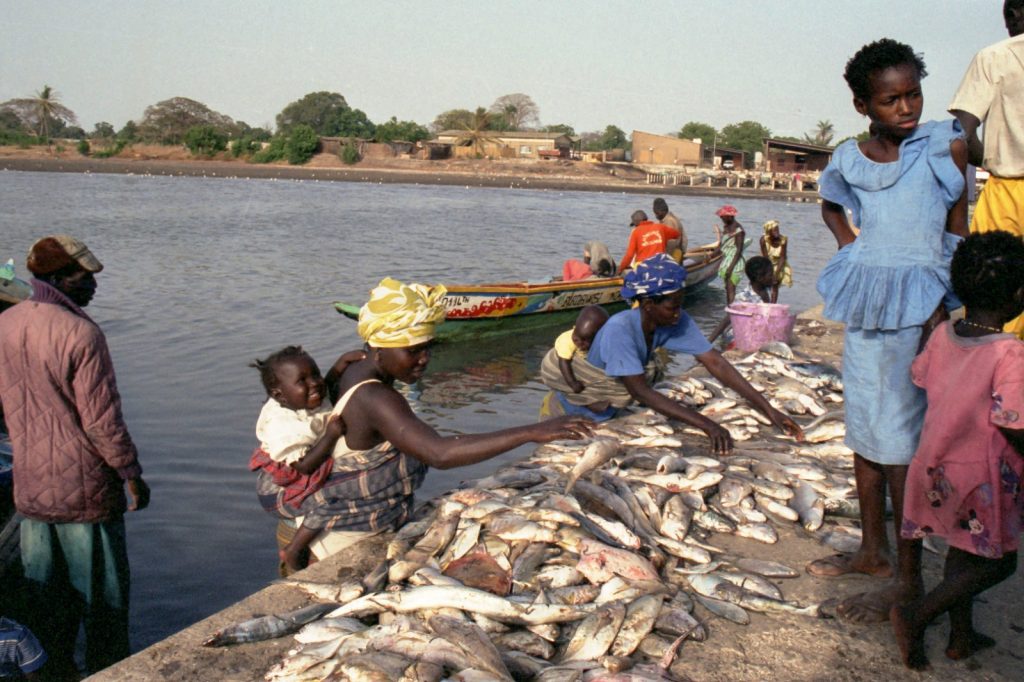
The company has also invested in agriculture. At the Makhana farm, Sabodala Gold Operations financed the rehabilitation of fish ponds with more than 24 million FCFA. The project aims to revive local fish production, improve food security and diversify household incomes.
By supporting agriculture alongside mining, companies can help communities reduce dependence on a single industry. In turn, families become more resilient to future economic challenges.
Social cohesion remains part of the vision
Community development for this firm extends beyond physical infrastructure.
Young people in Sabodala now have access to a municipal stadium constructed through funding exceeding 137 million FCFA. Recently, the facility hosted the final of the Tournament of Fraternity organised by Sabodala Gold Operations. The competition brought together villages surrounding the mining operation while promoting unity and community engagement.
Another landmark investment is the new community centre in Tenkoto. Built through a combined investment of 885 million FCFA, with financial support from partner Challenge, the centre will host meetings, dialogue sessions and social activities. Moreover, it is expected to strengthen communication between residents and the mining company.
Such facilities can help communities resolve issues collaboratively while encouraging greater participation in local development initiatives.
A wider lesson for Africa’s mining industry
Endeavour Mining’s latest investment reflects a broader shift taking place across Africa’s mining sector. Today, governments, investors and communities increasingly expect mining companies to deliver value beyond taxes and royalties. Therefore, environmental, social and governance performance has become just as important as production targets.
Consequently, many operators are expanding investments in education, healthcare, infrastructure and local enterprise. However, experts continue to caution that financial commitments alone do not guarantee success.
Instead, the long term impact will depend on how well communities maintain these facilities, how effectively local institutions manage them and whether the investments continue creating economic opportunities after mining activities end.
For communities across Senegal’s Saraya department, those answers will emerge over time. Nevertheless, the scale and diversity of these projects already signal a changing approach to responsible mining. Rather than measuring success solely by the value of minerals extracted, stakeholders increasingly want to see stronger communities, more resilient local economies and a lasting legacy that continues well beyond the life of the mine.
[give_form id="20698"]