


 ROSEMARY IMOBHIO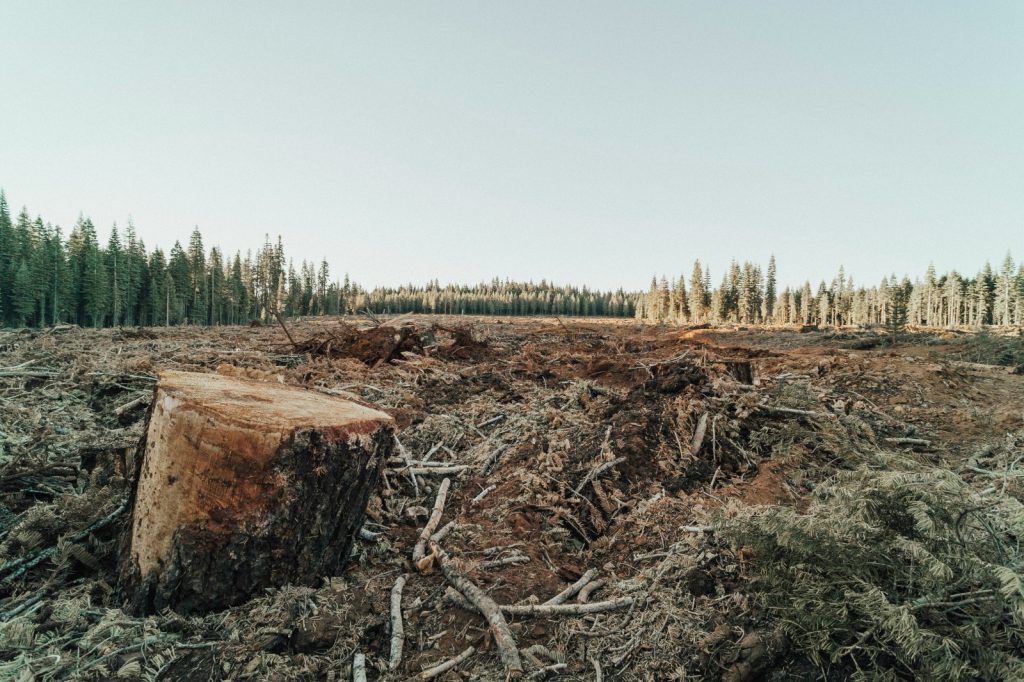
The United Kingdom is preparing to introduce mandatory supply chain due diligence rules to curb illegal deforestation. The proposal will require businesses to verify that key commodities entering the UK market do not contribute to forest destruction. As a result, the move marks another important step in the country’s climate and sustainability agenda.
The announcement reflects growing international efforts to reduce deforestation linked to global trade. At the same time, it signals the UK’s intention to strengthen environmental governance while making compliance easier for companies operating across multiple markets.
Later this year, the government will launch a public consultation to gather views from businesses, civil society groups, and international partners. Their feedback will help shape the final framework before the regulations come into force.
Officials say the proposed framework will align closely with the European Union’s Deforestation Regulation. Consequently, companies operating in both jurisdictions may avoid duplicate reporting systems while benefiting from common traceability standards.
Meanwhile, governments around the world continue to increase pressure on companies to understand the environmental impact of their supply chains. Therefore, businesses now face growing expectations to demonstrate transparency and responsible sourcing.
UK Seeks Alignment With Global Standards
The UK Government says its proposal aims to strengthen environmental protection without creating unnecessary administrative burdens. Instead of introducing a completely different reporting framework, officials plan to align the core requirements with the EU system. Consequently, companies already preparing for European compliance could adapt more efficiently to the UK’s future obligations.
Under the proposal, businesses trading in commodities linked to tropical forest loss will need to carry out mandatory due diligence before products enter the UK market. The list includes soy, palm oil, cocoa, and natural rubber. These commodities have received increased international attention because agricultural expansion often drives forest destruction in biodiversity-rich regions.
Government estimates show why stronger regulation has become necessary. Each year, UK consumption of internationally traded commodities contributes to about 29,000 hectares of deforestation worldwide. In addition, those activities generate an estimated 9.4 million tonnes of carbon emissions.
Environmental experts continue to warn that ongoing forest loss undermines global climate goals. Furthermore, forests store vast amounts of carbon while supporting biodiversity, freshwater systems, and local communities.
Therefore, reducing environmental risks across supply chains has become an essential part of national climate strategies.
Businesses Will Face New Due Diligence Duties
The proposed legislation will require companies to examine their supply chains more carefully. Rather than relying only on supplier declarations, businesses will need to verify that products do not originate from illegally deforested land. They will also have to maintain records that demonstrate compliance with the new requirements.
The government plans to introduce these obligations through powers contained in the UK Environment Act. In addition, ministers intend to strengthen the UK Timber Regulation as part of the broader package. Officials believe the combined measures will help businesses identify risks earlier and reduce the likelihood that imported products contribute to illegal land clearing.
Moreover, several supermarkets and consumer brands have already called for stronger regulation. They argue that consistent rules create a level playing field because responsible companies should not compete against businesses sourcing products linked to environmental harm.
At the same time, investors increasingly evaluate environmental risks when making financial decisions. Consequently, stronger supply chain governance could improve business resilience while strengthening stakeholder confidence.
Consultation Will Shape the Final Framework
Although the government has outlined its direction, several policy details remain under discussion. Later this year, officials will consult businesses, environmental organisations, producer countries, and other stakeholders before finalising the regulations. The consultation will focus on mandatory due diligence requirements, reporting expectations, implementation timelines, and enforcement measures.
Industry groups are expected to highlight practical challenges, particularly for businesses managing complex international supply chains with multiple suppliers. On the other hand, environmental organisations will likely advocate for strong monitoring systems and meaningful penalties to ensure the rules deliver measurable results.
The government believes broad stakeholder engagement will produce practical regulations while strengthening forest protection.
Long-Term Vision Extends Beyond Illegal Deforestation
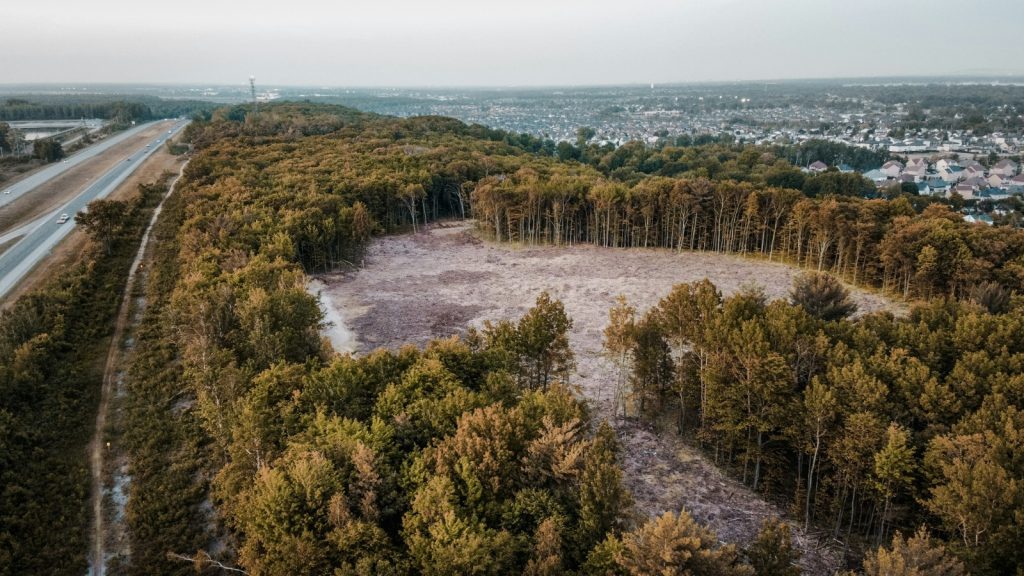
The proposed measures represent an important milestone, yet ministers have made it clear that they have broader ambitions. Ultimately, the government wants to establish a deforestation-free standard instead of focusing only on illegal forest clearance. Under that approach, relevant products entering the UK market would need to be produced without causing deforestation, regardless of whether local laws permit land conversion.
Such a policy would place the UK among countries pursuing more ambitious sustainable sourcing standards as global expectations continue to evolve. Many companies have already adopted voluntary commitments to eliminate deforestation from their supply chains. However, campaigners argue that voluntary action alone has produced inconsistent outcomes because implementation varies across industries.
Mandatory regulations could therefore create greater consistency while improving transparency throughout international commodity markets.
Forest Protection Supports Climate Goals
The government continues to present the proposal as part of its wider climate and biodiversity strategy. Nature Minister Mary Creagh said tackling global deforestation remains one of the most effective ways to combat climate change while protecting some of the world’s most valuable wildlife and ecosystems.
Her remarks reflect growing international recognition that healthy forests provide benefits beyond carbon storage. They regulate rainfall, preserve biodiversity, support indigenous communities, and strengthen food security across many regions. Consequently, preventing forest loss has become a major objective within international climate policy.
Recent developments also reinforce that direction. Governments continue to strengthen environmental disclosure requirements, while businesses invest more heavily in supply chain traceability and responsible sourcing systems. As these policies evolve together, companies that prepare early are likely to adapt more effectively to future regulations.
For CSR leaders, the UK’s proposal sends a clear message. Responsible sourcing is no longer simply a voluntary sustainability initiative. Instead, it is becoming a core business expectation that shapes investor confidence, consumer trust, regulatory compliance, and long-term resilience.
[give_form id="20698"]


1 thought on “Stronger UK Supply Chain Rules to Target Deforestation”