US Changes Asylum Processing Rules: What Nigerians and Other Foreign Applicants Need to Know
 ONYINYECHI NWAIGBA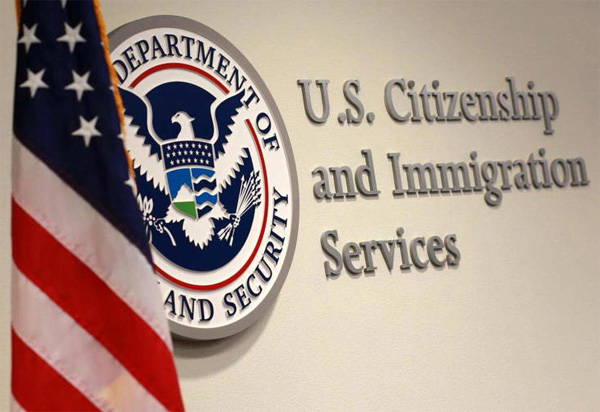
The United States has introduced a new asylum processing rule that could change how some asylum applications are handled, including cases involving Nigerians and other foreign nationals seeking protection in the country.
Under the new interim final rule, U.S. Citizenship and Immigration Services (USCIS) can refer certain affirmative asylum applications directly to immigration judges without first interviewing the applicant.
The policy, which took effect immediately, is part of the U.S. government’s effort to reduce a growing backlog of asylum cases and speed up the processing of applications.
The development is significant for foreign nationals with pending or future asylum applications because the traditional process generally involves an interview with a USCIS asylum officer before a decision is made or a case is referred to immigration court.
What Has Changed?
The U.S. asylum system generally distinguishes between affirmative and defensive asylum applications.
An affirmative asylum application is typically filed with USCIS by an individual who is not already in removal proceedings. Defensive asylum claims, on the other hand, are generally handled by immigration judges for people who are already facing removal proceedings.
Under the new rule, USCIS has greater authority to refer certain affirmative asylum applications to immigration court without first conducting an asylum interview.
The change is intended to allow the government to move cases through the system more quickly and reduce the time spent processing applications that may ultimately need to be decided by an immigration judge.
The rule does not mean that every asylum applicant will automatically be sent to immigration court. It applies to specified categories of cases, meaning applicants may be affected differently depending on the circumstances of their applications.
Why the US Government Introduced the Rule
The U.S. government says the change is aimed primarily at addressing the asylum backlog and improving efficiency within the immigration system.
USCIS has argued that the existing process can create delays when applications are transferred between agencies or when applicants receive multiple opportunities to present claims.
The new system is intended to reduce those delays by allowing some cases to move directly to immigration judges without an initial USCIS interview.
USCIS Director Joseph Edlow said the change is intended to ensure that asylum resources are focused on people with legitimate protection claims while reducing opportunities for the system to be used primarily to delay immigration enforcement.
The Department of Homeland Security has similarly argued that delays in immigration proceedings have contributed to difficulties in enforcement and case management.
What Does This Mean for Nigerians?
The new rule is not a Nigeria-specific immigration policy.
However, Nigerians who have applied for asylum in the United States may be affected if their applications fall within the categories covered by the new rule.
For applicants, one of the biggest changes is the possibility that a case could move to immigration court without the applicant first receiving an interview with a USCIS asylum officer.
That means applicants and their legal representatives will need to pay close attention to communications from USCIS and immigration authorities.
A referral to immigration court does not, by itself, mean that an asylum claim has been rejected. Instead, it means that the case will be handled through a different part of the U.S. immigration system.
Applicants may therefore need to prepare to present their claims before an immigration judge.
What Happens After a Referral?
When USCIS refers an asylum case to immigration court, the case moves into the jurisdiction of the Executive Office for Immigration Review, where an immigration judge handles the proceedings.
The applicant may then have the opportunity to present their claim and provide supporting evidence in court.
This makes legal preparation particularly important for anyone whose case is referred.
Applicants should also understand that asylum is a protection mechanism for people who can establish that they meet the legal requirements for asylum in the United States. Being from a particular country does not automatically qualify an individual for asylum.
Instead, eligibility depends on the facts and circumstances of each case.
A Policy Shift With Wider Implications
The new rule is part of a broader effort by the U.S. administration to change how immigration and asylum cases are processed.
The move comes against the backdrop of a large asylum backlog, with authorities seeking ways to process cases more quickly while also strengthening immigration enforcement.
For the government, the policy is about efficiency.
For asylum applicants, however, the change could mean navigating a more complex process and potentially appearing before an immigration judge without having first gone through the traditional USCIS interview stage.
That distinction makes the development important for Nigerians and other foreign nationals who are currently in the U.S. asylum system.
The Rule Is Not Yet the Final Word
Although the interim rule took effect immediately, the process is not necessarily complete.
The U.S. government is accepting public comments on the interim rule before issuing a final version that will take those submissions into consideration.
This means aspects of the policy could still change depending on the outcome of the rulemaking process.
Applicants should therefore avoid relying solely on social media posts or headlines when making decisions about their immigration cases.
For people with pending asylum applications, the safest approach is to monitor official USCIS communications and seek advice from a qualified U.S. immigration attorney or accredited representative where necessary.
What Nigerians Should Take Away
For Nigerians considering or currently pursuing asylum in the United States, the key point is that the new rule changes the potential route through which some applications are processed.
It does not create a special restriction against Nigerians, nor does it mean that all Nigerian asylum applications will be transferred to immigration court without an interview.
Rather, Nigerians are among the foreign nationals who could be affected if their applications fall within the categories covered by the new policy.
The development highlights the importance of understanding the U.S. asylum process and keeping up with changes to immigration rules.
As the United States continues efforts to reduce its asylum backlog and reform immigration processing, applicants will need to remain alert to changes that could affect how their cases are handled.
For Nigerians and other foreign nationals with asylum applications in the United States, the message is clear: the process is changing, and understanding where a case stands within the new system could become increasingly important.
[give_form id="20698"]