ROSEMARY IMOBHIO
What does it mean when the same chemical suspected of killing some of Africa’s largest land mammals also turns up on food crops that feed millions of people? That is the uncomfortable question now facing Kenya and, increasingly, the rest of the continent.
Between late June and late July 2026, 15 elephants died outside Amboseli National Park in southern Kenya. Preliminary laboratory tests pointed to cyanide, a chemical compound sometimes used illegally as a pesticide. As investigators dug deeper, the story evolved beyond a wildlife tragedy. It became a test of how seriously African nations, agribusinesses and global food supply chains treat pesticide governance, food safety and biodiversity protection.
This is not a story about elephants alone. Instead, it is about what happens when weak regulatory enforcement, unsustainable farming practices and corporate accountability gaps collide. It also explores what that collision could mean for the people who eat food produced on African farms.
What Happened at Amboseli
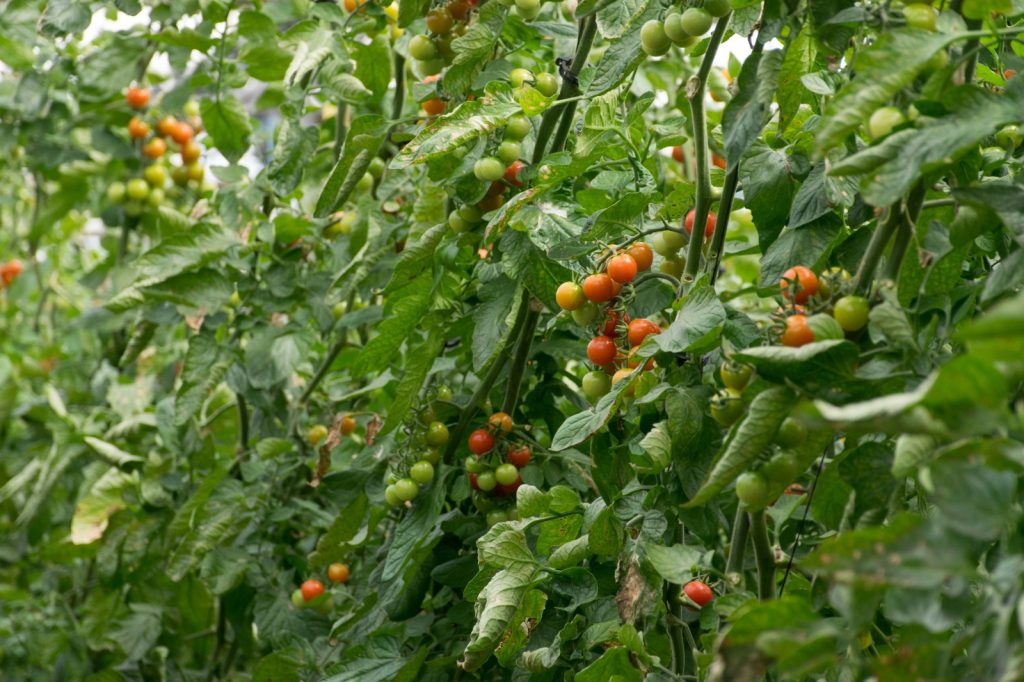
According to the Kenya Wildlife Service (KWS), the elephants died between June 24 and July 24, 2026, near Kimana town. The area is a major tomato-growing community bordering the Amboseli ecosystem. Ten elephants showed signs of partial paralysis before dying within about two days of exposure. Rangers found the remaining five animals already dead.
KWS Director General Erustus Kanga described cyanide as highly toxic. He said elephants exposed to it rarely survive beyond one or two days. Investigators later found unripe tomatoes in the stomachs of several elephants from the same herd. They also detected traces of cyanide in fruit collected from nearby farms and in the animals’ remains. Officials believe the herd wandered from the park onto neighbouring farmland in search of food and consumed the contaminated tomatoes.
However, KWS and independent conservation groups have stressed that the investigation remains open. Authorities have not determined whether the poisoning resulted from accidental misuse of an illegal agrochemical or deliberate targeting of crop-raiding elephants.
Meanwhile, conservationists and some local farmers have questioned parts of the pesticide theory. They argue that elephants would have needed to eat unusually large amounts of contaminated produce. They also note that other animals in the same habitat appeared unaffected. The International Fund for Animal Welfare’s East Africa Director, Ben Wandago, has called for a thorough and transparent investigation. Conservation groups have also demanded an independent probe into the deaths.
Meanwhile, the Kenya Veterinary Association (KVA) has shifted attention beyond wildlife conservation. KVA President Kelvin Osore said that if tomatoes are confirmed as the source of the cyanide, the public health implications cannot be ignored. He urged the government to launch a multi-agency investigation. He also insisted that consumers deserve evidence-backed assurances that contaminated produce is not reaching Kenyan markets.
So far, no health authority has confirmed that tainted tomatoes entered the human food supply. Nevertheless, the fact that a respected veterinary body has raised the issue shows how quickly a wildlife incident can become a food safety concern.
From Wildlife Tragedy to a Food Systems Warning
Consequently, the Amboseli deaths are no longer just a wildlife story. Instead, they have become a warning sign for Kenya’s wider food and chemical governance systems. Several structural issues help explain why the incident has attracted so much attention.
First, Kenya has a well-documented gap between pesticides that are legally registered and those considered safe by international standards. A 2023 Route to Food Initiative report, Toxic Business: Highly Hazardous Pesticides in Kenya, found that Highly Hazardous Pesticides (HHPs) accounted for about three-quarters of the country’s pesticide use by volume. By comparison, biopesticides made up only about two percent.
In addition, reporting by The New Humanitarian and Lighthouse Reports found that more than three-quarters of agrochemicals used in Kenya in 2020 fell into the HHP category. The reports also revealed that nearly half of the highly hazardous pesticides legally sold in Kenya by international companies had already been banned in the European Union and the United States.
Second, enforcement has struggled to keep pace with policy ambitions. Kenya’s Auditor General has criticised regulators for weak post-registration monitoring of pest control products. As a result, authorities find it harder to identify pesticides that become unsafe, environmentally harmful or ineffective after entering the market.
Separate investigations have also shown that many agrochemicals used in Kenya are classified as highly hazardous. Around half of those legally sold by international companies are already banned in the European Union and the United States. Furthermore, a joint market study by the Kenya Organic Agriculture Network and the Route to Food Initiative found pesticide residues in more than 70 percent of vegetable samples collected from major Kenyan markets. Tomatoes recorded the highest contamination levels.
Third, reform is underway, although significant gaps remain. In June 2025, Kenya’s Cabinet Secretary for Agriculture and Livestock Development announced the withdrawal of 77 harmful pesticide products. The government also restricted 202 others to non-food crops and placed another 151 under review by the Pest Control Products Board.
Analysts at the Route to Food Initiative described the move as a landmark reform. They also called it one of the most ambitious pesticide policy changes in Sub-Saharan Africa. Even so, they cautioned that successful implementation remains the biggest challenge.
Taken together, these findings suggest the Amboseli elephant deaths did not occur in isolation. Instead, they emerged from a food system already under pressure from chemical overuse, regulatory gaps and weak surveillance. Those conditions place both wildlife and consumers at risk.
Why Food Safety and Consumer Confidence Are Now in Play
Food safety concerns rarely begin with headline-grabbing wildlife deaths. Yet that is exactly what has happened here. Once a respected professional body like the KVA raises questions about contaminated tomatoes reaching consumers, public trust becomes part of the story. That remains true regardless of how the investigation eventually ends.
The issue also carries significant commercial consequences. Retailers, exporters and food processors depend on consumer confidence. Buyers expect produce sold locally and abroad to be grown, treated and handled safely.
When confidence in pesticide oversight weakens, the impact rarely stays on one farm or within one community. Instead, it spreads across supply chains. As a result, export markets, auditors and increasingly ESG-focused investors begin to reassess agricultural risks within a country or region.
Pesticide Regulation, Enforcement and the Governance Gap
At the heart of this story lies a governance challenge that extends well beyond Kenya. Who is responsible when a chemical banned in one country remains legal in another? What happens when regulators cannot keep pace with products already on the market?
Kenya’s Pest Control Products Board still operates under legislation enacted in 1982. Meanwhile, a revised Pest Control Products Bill has been under development for several years. The proposed law aims to strengthen protection for human health and the environment. It also promotes Integrated Pest Management (IPM) and Good Agricultural Practices.
However, the slow pace of reform highlights a familiar problem across many developing countries. Agricultural production has expanded rapidly, yet regulatory capacity has struggled to keep up. As a result, authorities often lack the resources needed to monitor what farmers are applying to crops.
This challenge is not unique to Kenya. International double standards in agrochemical marketing further complicate the issue. In some cases, products restricted or banned in wealthier countries continue to be sold elsewhere. Addressing that imbalance will require stronger cooperation between exporting and importing nations. It will also require better international chemical safety frameworks and a genuine commitment from manufacturers to responsible product stewardship.
Biodiversity, Farming Expansion and the Human-Wildlife Frontier
The Amboseli case also highlights another growing concern. The buffer between farmland and wildlife habitat is shrinking. Kenya’s elephant population has increased steadily after decades of conservation investment. At the same time, agriculture has expanded along key migration routes. Consequently, conservation success now creates new challenges for farmers and wildlife alike.
The International Union for Conservation of Nature classifies African savannah elephants as Endangered. African forest elephants are listed as Critically Endangered. The Amboseli ecosystem remains one of Kenya’s most important elephant strongholds. The Kimana and Kuku Group Ranch area alone supports an estimated 1,600 elephants moving through an increasingly fragmented landscape.
As farms move closer to protected areas, elephants and other wildlife often enter cultivated land in search of food and water. Consequently, they become exposed to the same chemicals used on crops.
Whether this incident proves deliberate or accidental, it reflects a broader regional pattern. Crop-raiding wildlife are sometimes poisoned as farmers try to protect their livelihoods. In many cases, livestock and other wild animals face the same risks. Potentially, the human food chain may also share parts of that exposure pathway.
Therefore, biodiversity conservation and food security can no longer be treated as separate policy issues. Instead, they increasingly overlap. Both depend on the same landscapes, the same farming systems and the same regulatory safeguards.
The ESG and Corporate Responsibility Dimension
For businesses operating in or sourcing from African agricultural markets, this incident offers an important lesson. Environmental, social and governance risks cannot remain separate from day-to-day operations.
Agrochemical manufacturers, food producers, exporters and retailers all form part of the same supply chain. Once pesticide misuse becomes public, every link in that chain faces reputational and operational risks.
Today, responsible sourcing extends well beyond a company’s own facilities. Businesses are increasingly expected to understand what happens throughout their supply chains. That includes which chemicals suppliers use, how they apply them and whether farmers receive proper training.
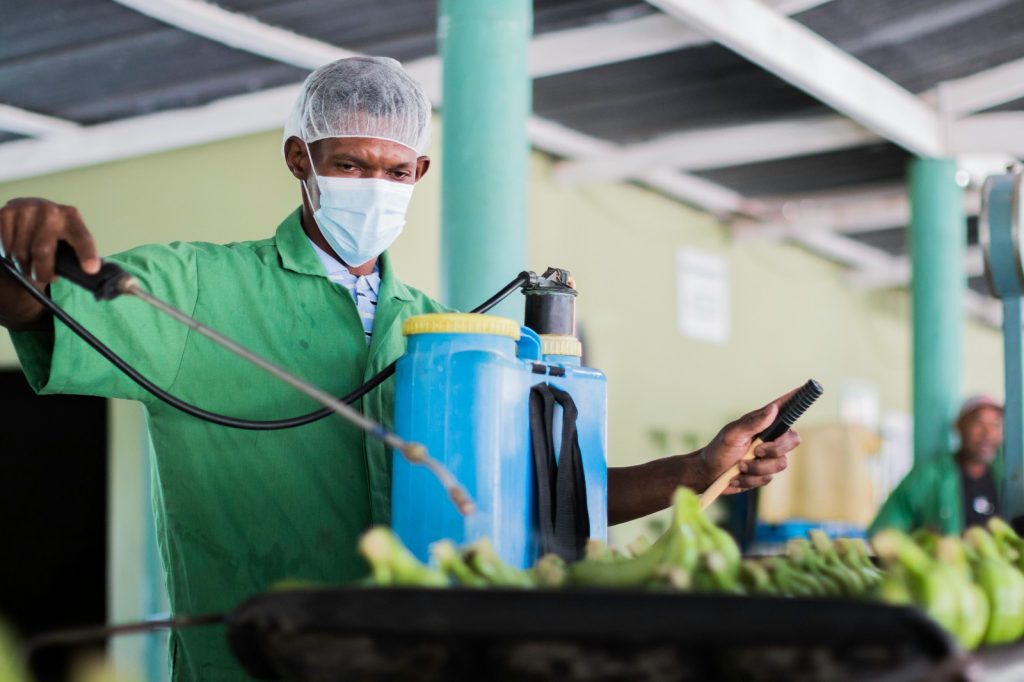
Companies that cannot demonstrate safe agrochemical practices risk damaging their reputation. They may also face tighter trade requirements and, in serious situations, public health scrutiny.
Furthermore, biodiversity is no longer viewed as a secondary environmental issue. Investors and regulators increasingly treat nature-related risks as material business concerns. Frameworks such as the Taskforce on Nature-related Financial Disclosures encourage companies to examine how their operations and supply chains affect ecosystems.
The Amboseli case illustrates exactly why those expectations are growing. If a common food crop is linked to the deaths of a protected species, businesses must ask whether their environmental risk management is strong enough.
Integrated Pest Management and the Path Toward Safer Agriculture
None of this suggests pesticides have no role in African agriculture. When used responsibly, crop protection products remain essential for improving yields and supporting farmer livelihoods. Instead, the more important question is how they should be managed.
Integrated Pest Management offers one practical solution. Rather than relying heavily on chemical spraying, IPM combines biological controls, crop rotation, resistant crop varieties and targeted pesticide use based on actual pest monitoring. Kenya’s draft Pest Control Products Bill promotes both IPM and Good Agricultural Practices.
Even so, implementation remains uneven across the country. Research by the Route to Food Initiative shows that only a small share of pesticides used in Kenya are biopesticides. That leaves significant room for safer alternatives.
Farmer education is equally important. Many smallholder farmers rely on habit, product availability or aggressive marketing when choosing pesticides. As a result, they may not receive adequate technical guidance on safe application.
Practical safety measures also deserve greater attention. Buffer zones near water sources and wildlife corridors can reduce environmental risks. Clearer product labels, stronger extension services and better farmer training would also improve outcomes.
At the same time, regulators need stronger post-registration monitoring and better market surveillance. Transparent communication about banned or restricted products is equally important. Together, these measures would strengthen both food safety and environmental protection.
What This Means for African Agricultural Ambitions
Many African governments are pursuing two important goals. They want to increase agricultural production to strengthen food security and export earnings. At the same time, they must meet growing sustainability and ESG expectations from investors, trading partners and consumers.
The Amboseli incident shows these goals do not have to conflict. A food system that protects biodiversity, enforces chemical safety and earns consumer trust is ultimately more resilient. It is also better positioned to compete in international markets.
By contrast, weak regulation creates wider risks. Countries may suffer reputational damage, face trade barriers or lose consumer confidence. In the worst cases, both wildlife and people may be harmed.
Kenya’s recent pesticide reforms suggest policymakers recognise these challenges. However, meaningful progress will depend on implementation. Regulators also need adequate funding and long-term political support after public attention fades.
A Governance Issue, Not Just a Conservation One
Regardless of the investigation’s final outcome, the Amboseli elephant deaths have already changed the conversation. Whether investigators conclude the poisoning resulted from accidental exposure, illegal pesticide use or deliberate targeting, the incident has connected wildlife protection with food safety in an unprecedented way.
Responsible pesticide management can no longer be viewed solely as a conservation issue. It is also a food security issue, a public health issue, a governance issue and an ESG priority.
For agribusinesses, regulators and conservationists alike, the lesson from Kimana is clear. The answer is not to abandon pesticides altogether. Instead, governments and industry must strengthen the systems that regulate them. That includes registration, enforcement, farmer education and ongoing monitoring.
The elephants of Amboseli may be the most visible victims of this tragedy. Whether their deaths become the catalyst for stronger pesticide governance now depends on the decisions made after the headlines disappear.
As this investigation unfolds and Kenya’s pesticide reforms continue to take shape, CSR Reporters will keep tracking the story, and the wider intersection of biodiversity, food safety and responsible business across Africa. Follow us for continued coverage of sustainability, ESG and corporate responsibility news that matters to the continent’s future.
[give_form id="20698"]